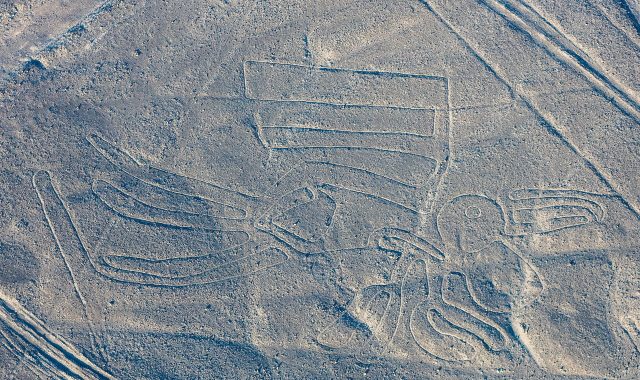
Nasca is a name that immediately brings to mind the enigmatic geoglyphs etched into the desert floor, vast and mysterious shapes visible only from above. But beyond these famous lines lies a deeper story of the people who once called this arid land home. The Antonini Museum offers a rare chance to step into their world, where history isn’t just observed—it’s felt. Here, the past isn’t confined to glass cases; it’s alive in the fragments of daily life, the tools, the art, and the rituals that defined a civilization long before the first Europeans set foot on these shores.
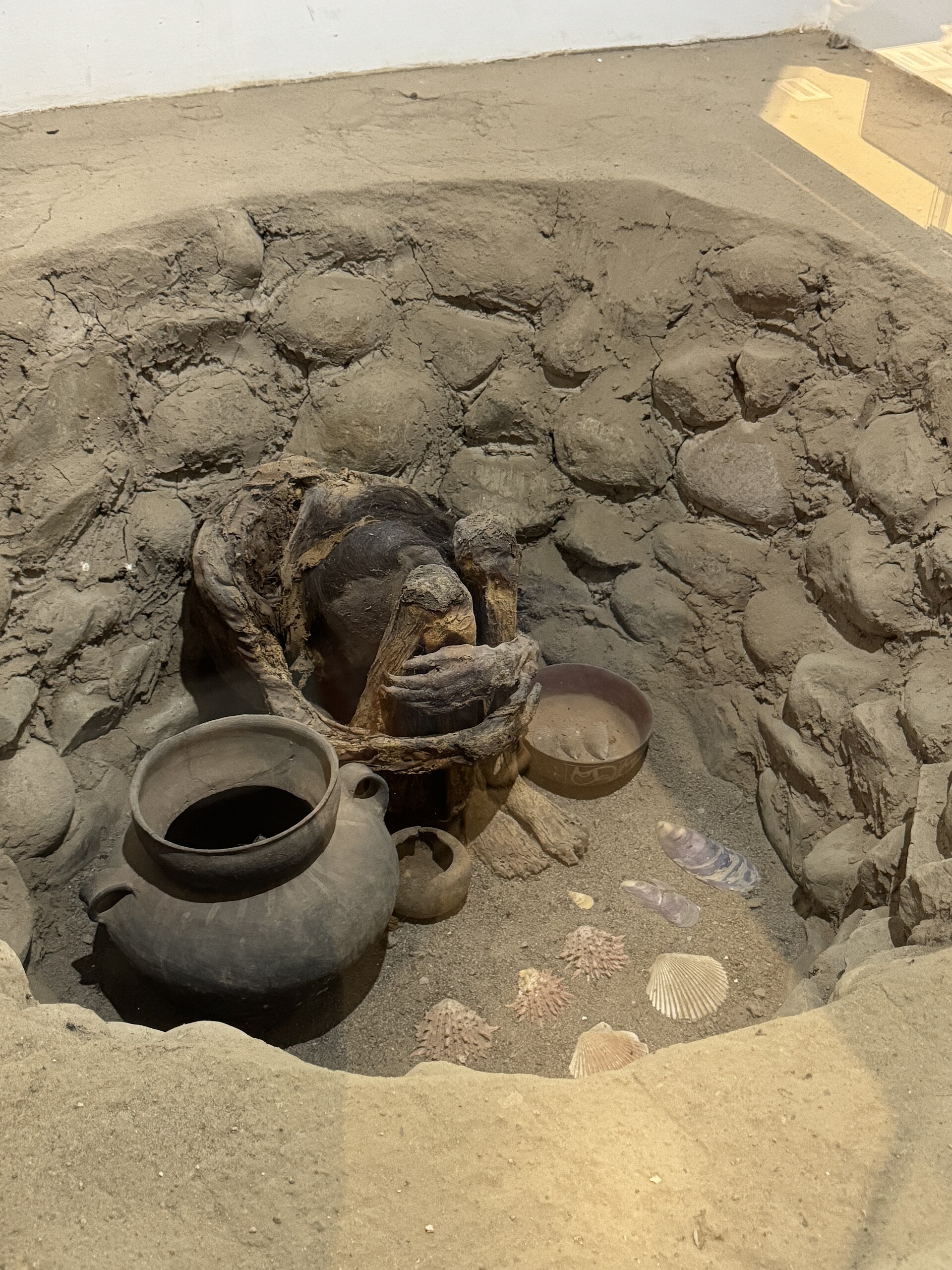
The museum takes its name from Giuseppe Orefici, an Italian archaeologist known locally as Antonini, whose decades of work in the region helped preserve its fragile heritage. Without his efforts, many of the artifacts on display might have been lost to looters or time. The exhibits are thoughtfully arranged to do more than showcase objects—they place them in context. A ceramic pot isn’t just a vessel; it’s part of a reconstructed household, surrounded by the tools and textiles that once filled a home. A burial site isn’t just a display of bones; it’s a glimpse into how these people honored their dead, with offerings and rituals that reveal their beliefs about life and the afterworld.
Among the most striking exhibits are the mummies, not displayed for shock value but as a testament to the care and reverence with which the Nasca people treated their deceased. Some are so well-preserved that the intricate weaves of their clothing or the details of their hairstyles remain visible. It’s impossible not to feel a quiet respect for the individuals behind these remains, people who lived, worked, and died in a world so different from our own. The museum doesn’t sensationalize death; it presents it as a natural part of the cycle, a perspective that feels both humbling and deeply human.
Nasca pottery is another highlight, a craft that reveals as much about the culture’s creativity as it does about its daily life. The variety of shapes and designs is astonishing—some vessels are simple and functional, while others are elaborate, adorned with animals, mythical creatures, or geometric patterns that seem to tell stories we can only guess at. The precision of the work is remarkable; some pieces look as though they were shaped by machines rather than human hands. Particularly intriguing are the double-spouted bottles and asymmetrical forms, which likely held ceremonial significance, their purposes lost to time but their beauty enduring.
While the Nasca culture takes center stage, the museum also broadens its scope to include other civilizations that shaped the region. Artifacts from the Paracas and Wari cultures sit alongside Nasca pieces, illustrating the flow of ideas, trade, and tradition across centuries. The Paracas textiles, for instance, are a riot of color and complexity, their patterns so intricate that they seem almost modern. Seeing them next to later works shows how craftsmanship evolved, how motifs were borrowed and transformed, and how each culture left its mark on the land.
The museum isn’t static; it’s a place that grows with new discoveries. Temporary exhibitions often focus on recent archaeological finds or fresh research, offering visitors a chance to see history in the making. One month might bring a display of newly unearthed tools, while another could feature a deep dive into the symbolism behind Nasca art. These rotating exhibits ensure that even repeat visitors will find something new, a reminder that our understanding of the past is always expanding.
The building itself is a blend of modern design and local sensibilities. The spaces are airy and well-lit, allowing each artifact to be examined without distraction. The layout guides visitors through time, from the earliest settlements to the later cultures that followed, without feeling overwhelming. Outside, a small garden provides a quiet spot to sit and reflect, a place where the weight of history can settle in. Occasionally, the museum hosts lectures or workshops, where experts share insights into ancient techniques—how pottery was fired, how textiles were dyed—bringing the past even closer.
Visiting the Antonini Museum is more than just a stop on a tourist itinerary; it’s an encounter with the people who made Nasca what it was. The geoglyphs may be the region’s most famous legacy, but they’re only part of the story. This museum fills in the gaps, showing the lives behind the lines—the farmers, the artisans, the priests, and the families who built a society in one of the harshest environments on earth. There’s no grand narrative here, no attempt to romanticize or exaggerate. Just the quiet power of objects that have survived centuries, speaking in their own way of a world that once was. For anyone who wants to see Peru not just as a land of stunning landscapes but as a cradle of ancient cultures, this is where that journey begins.