Nasca
Peru · 4 places
Photo: Drmad, CC BY-SA 3.0
Nazca
Nazca is a quiet desert town in southern Peru where the modern world feels distant. The vast silence of the desert is broken only by the wind, and horizons stretch into endless sand. Though the town is small, home to just a few thousand people, its name is known worldwide because of the mysterious lines etched into the nearby plateau. These geoglyphs, created by the ancient Nazca civilization, remain one of archaeology’s greatest puzzles. Their purpose is still debated—no one knows for certain how or why they were made.
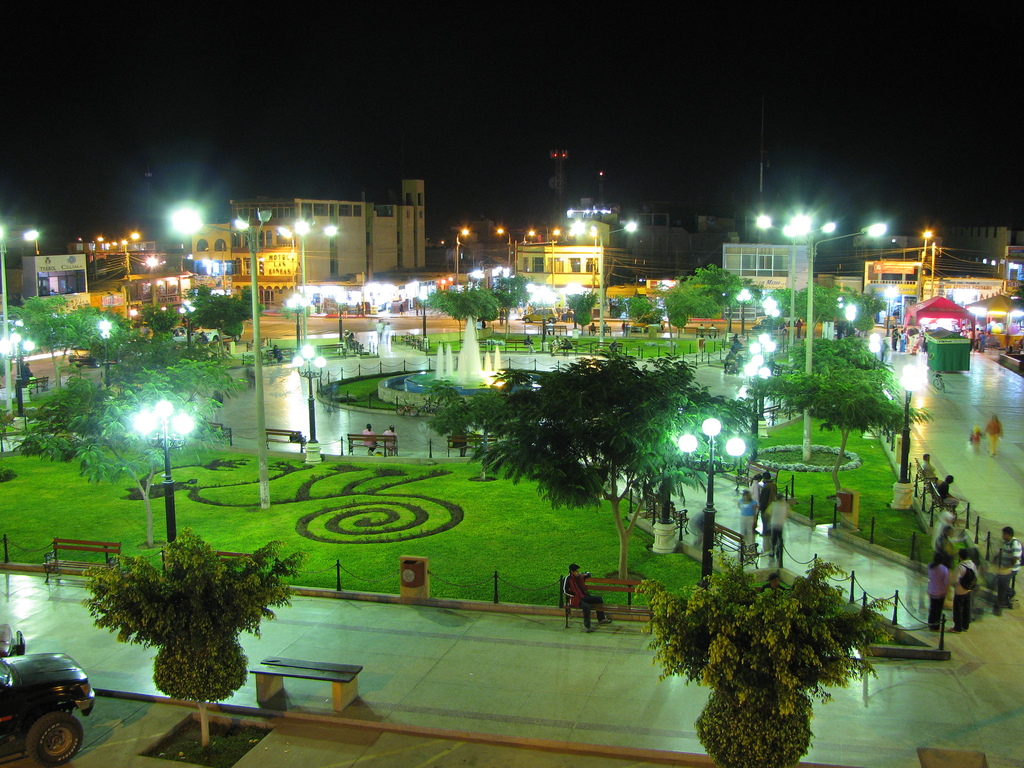
Life in Nazca moves slowly. Mornings begin with the scent of fresh bread from local bakeries. In the evenings, residents gather in the central square under old trees, sharing coffee or a plate of corn and meat dishes. Family-run guesthouses offer simple stays, where hosts serve breakfast and talk about the town.
The Nazca Lines lie just outside the town. To see them, you can climb a small viewing platform or take a flight in a light aircraft. From above, the geoglyphs—a spider, a hummingbird, a monkey—stretch across the desert for kilometers. How the Nazca people made such precise images without modern tools is unclear. Some say the lines were an astronomical calendar; others believe they were part of rituals. The plateau feels like a place where myth and reality merge.
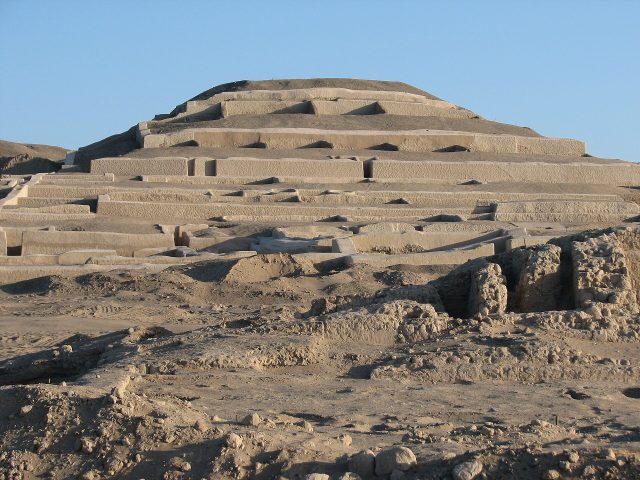
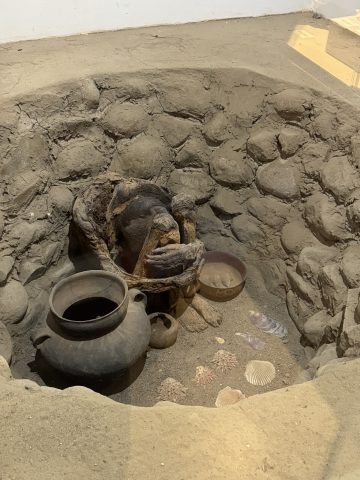
The surrounding desert holds more for those who stay longer. Ancient burial sites dot the landscape, where mummies and pottery from the Nazca culture have been found. The *cañadas*—underground aqueducts built over a thousand years ago—still irrigate land used by local farmers. Walking through these tunnels shows the ingenuity of the people who lived here long ago. For a change of pace, the Rio Grande Valley offers green escapes, with villages and vineyards producing local wine.
Nazca isn’t for those who want bright lights or souvenir shops. There are no nightclubs, just history older than many civilizations, a landscape that sets its own rules, and people living in harmony with it. The town doesn’t try to impress. It simply exists, with its mysteries and quiet.
See & Do
4 places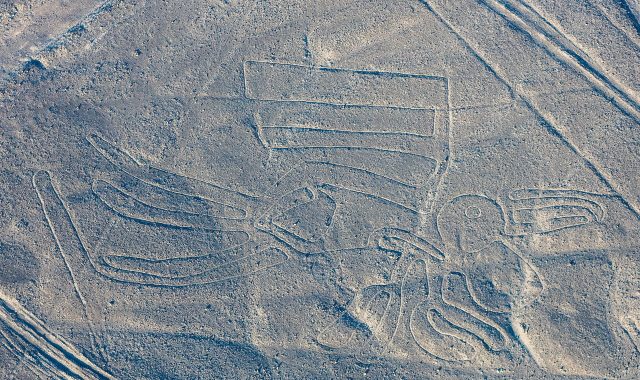
Places on the map
Marker colour follows the categoryClimate and weather
Detailed weather: Nasca- Average temperature
- 20 °C
- Precipitation per year
- 64 mm
Average air temperature
°C
23
24
24
22
19
17
16
17
17
19
20
22
Jan
Feb
Mar
Apr
May
Jun
Jul
Aug
Sep
Oct
Nov
Dec


