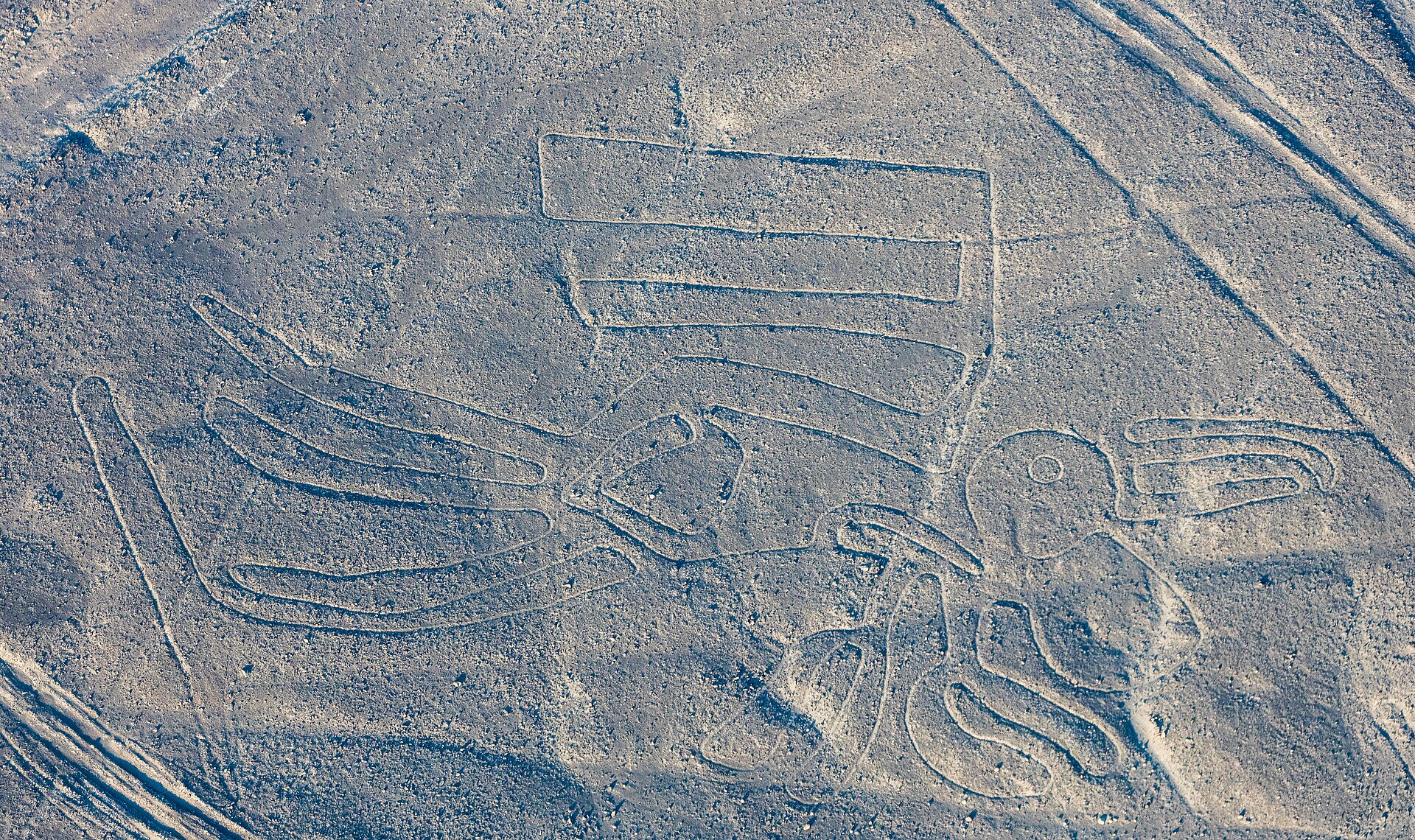
The Nazca Lines are one of those rare places on Earth that make you pause and wonder how much we truly understand about the past. Stretching across the arid plains of southern Peru, these massive geoglyphs remain invisible unless viewed from above—whether from a nearby hill or the window of a small aircraft. Created by the ancient Nazca people between roughly 500 BCE and 500 CE, their purpose is still unknown. Were they astronomical calendars, ritual pathways, or markers for pilgrims? Or perhaps they were simply art for art’s sake, a way to leave something enduring in an unforgiving landscape. The mystery lingers, and that’s part of what makes them so compelling.
Covering nearly five hundred square kilometers, the Nazca Lines consist of hundreds of figures, both geometric and figurative. The most famous include a monkey with a coiled tail, a hummingbird, a spider, a condor, and a whale. Then there are the shapes that defy easy explanation—long, straight lines stretching for kilometers, spirals, and trapezoids that seem to vanish into the horizon. The people who made them worked from the ground, carefully removing the dark, oxidized stones to reveal the lighter soil beneath. How they maintained such precision without being able to see the full design remains a puzzle.
The Nazca Desert is the perfect canvas for these drawings. One of the driest places on Earth, it sees rain only once every few years, and the winds are gentle. The stones on the surface darken over time, creating a stark contrast with the lighter earth beneath. Without this natural preservation, the lines would have long since faded under the forces of erosion. Even now, they are slowly wearing away, a reminder of how fragile this ancient art truly is.
The first written records of the Nazca Lines come from Spanish conquistadors in the 16th century, though they paid little attention to them at the time. From the ground, the geoglyphs appear as little more than scattered rocks, easy to overlook. It wasn’t until the 1920s, when pilots began flying over the desert, that the true scale of the lines became apparent. Soon after, archaeologists took notice, and the Nazca Lines became a subject of fascination. Today, they draw visitors from around the world, each hoping to catch a glimpse of something that feels almost otherworldly.
There are a few ways to see the geoglyphs. The simplest is to visit a viewing platform along the Pan-American Highway, where a handful of figures, including the famous "Hands" and "Tree," can be seen from a distance. But to truly appreciate their scale and complexity, a short flight over the desert is the best option. Small planes take visitors on thirty-minute tours, offering a bird’s-eye view of dozens of lines and figures. From above, the precision is astonishing—the shapes seem almost too perfect, as if drawn by an unseen hand.
Despite their fame, the Nazca Lines are fragile. Time, tourism, and even accidental damage threaten their survival. In 2014, activists from Greenpeace caused controversy when they placed a banner near one of the figures, leaving marks on the delicate surface. The incident served as a stark reminder of how easily this ancient art can be lost. Today, access to the lines is restricted, and visitors are prohibited from walking on them. Even from a distance, though, their impact is undeniable.
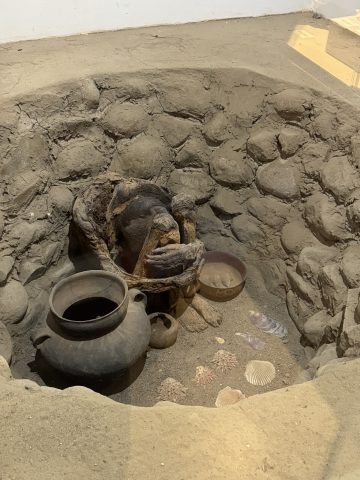
The nearby town of Nazca serves as the gateway to the geoglyphs. A quiet, unassuming place, it’s where most travelers spend a night or two before heading into the desert. The town has a few small museums dedicated to the Nazca culture, where visitors can see artifacts like pottery, textiles, and even mummies unearthed from nearby sites. These exhibits offer a glimpse into the lives of the people who created the lines, though their exact motivations remain as mysterious as the drawings themselves.
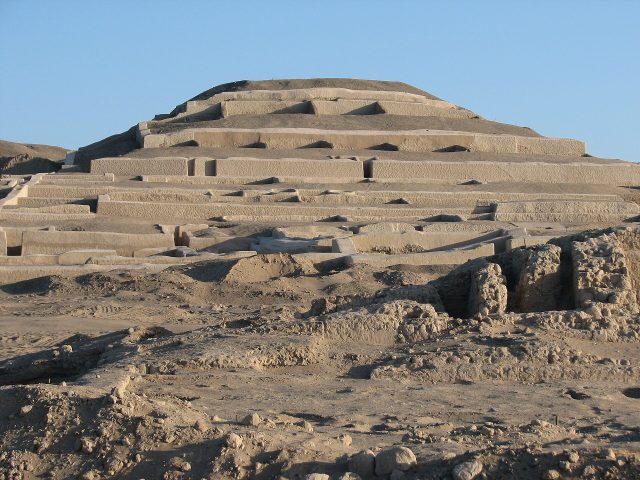
The Nazca Desert holds more than just geoglyphs. Nearby, the ancient aqueducts of Cantalloc still function, channeling water through underground tunnels to irrigate fields—a testament to the ingenuity of the Nazca people. Scattered across the desert are remnants of their settlements and cemeteries, where archaeologists continue to uncover artifacts. Walking through the desert, it’s easy to feel the weight of history beneath the sand, as if the past is still present, just out of sight.
What makes the Nazca Lines so enduring is not just their mystery, but the way they connect us to something larger. They remind us that humans have always sought to leave a mark, to understand their place in the world, and to communicate with forces beyond themselves. We may never know why they were created, but perhaps that’s not the point. What matters is that they exist—a testament to the skill, patience, and imagination of a people who turned a barren desert into a canvas for the ages. Standing above them, even for a moment, you can’t help but feel like you’re part of their story.