Cahuachi sits in the quiet vastness of the Nazca Desert, far from the noise of the modern world. The ruins here are not grand in the way of towering stone cities or polished monuments, but they carry a weight of their own—a sense that something important once unfolded in this empty stretch of sand. There are no crowds, no souvenir stands, just the wind moving over the dunes and the faint outlines of structures built by people who lived here long before the first Europeans set foot in South America.
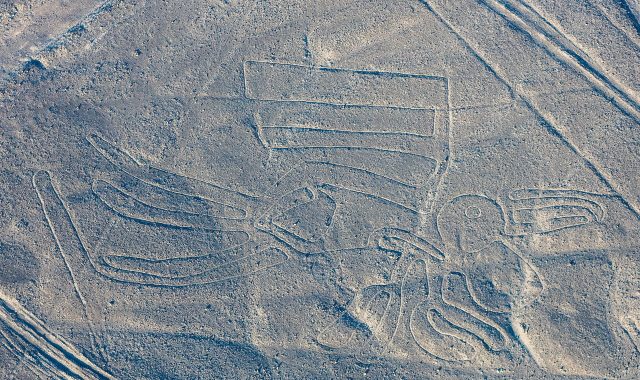
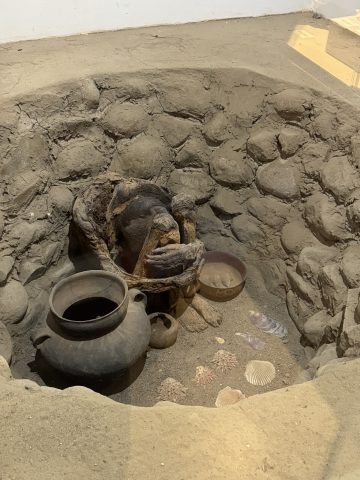
This was the heart of the Nazca culture, which thrived between the first and seventh centuries. Unlike the famous Nazca Lines, which can only be fully appreciated from above, Cahuachi was a place where people gathered on the ground. Archaeologists believe it was a religious center, a destination for pilgrims who traveled from the surrounding valleys to take part in rituals and ceremonies. The remains of offerings—pottery, textiles, even food—have been found in the sand, left behind by those who came here to honor their beliefs.
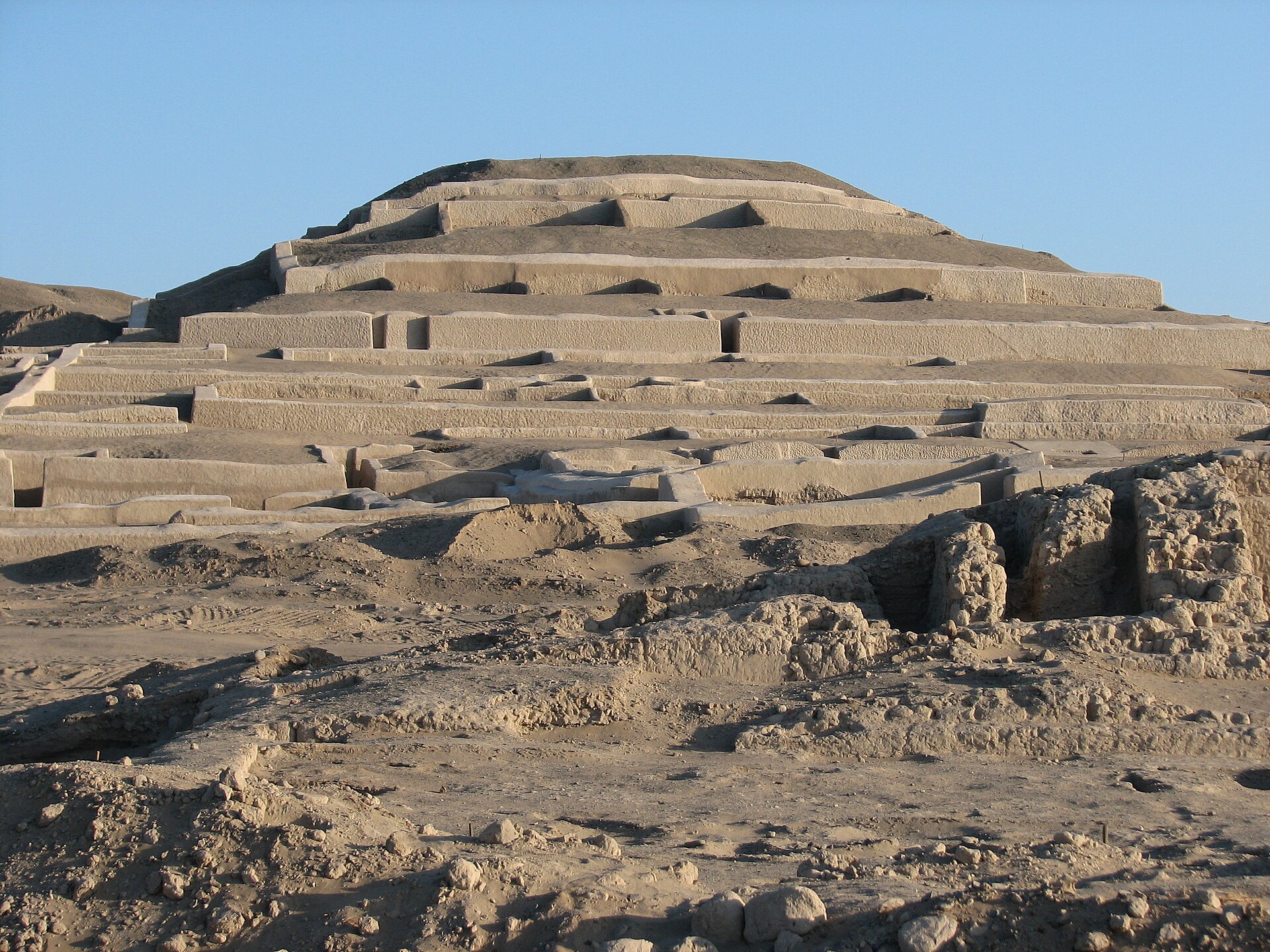
The buildings at Cahuachi were constructed from materials the desert provided: adobe and reeds. The structures that remain are mostly low walls and platforms, arranged in terraces and pyramids that blend into the natural contours of the land. The largest of these, the Great Pyramid, rises above the desert floor, its steps leading upward as if reaching for the sky. For the Nazca, who saw the world as a connection between earth and heavens, such a structure would have held deep meaning. The pyramid wasn’t just a building; it was a bridge between the human and the divine.
Cahuachi was never a permanent settlement. People came here in waves, drawn by religious festivals or celestial events. The Nazca were deeply attuned to the movements of the sun, moon, and stars, and many of their rituals were tied to the cycles of the sky. Some researchers suggest that the Nazca Lines might have been part of a larger sacred landscape, with Cahuachi serving as a focal point for these journeys. Whether that’s true or not, the site feels like a place where the earth and the heavens were once closely watched and revered.
Today, the ruins are a maze of half-collapsed walls and mounds, slowly being reclaimed by the desert. The silence is broken only by the wind and the occasional cry of a bird. Walking through Cahuachi, it’s easy to imagine the scene a thousand years ago: processions of people in colorful garments, carrying offerings, their voices blending with the rustle of the reeds. There are no reconstructions here, no museum displays—just the raw, untouched remnants of a civilization that left no written records.
The journey from the town of Nazca takes about an hour, winding through rough desert roads. A local guide can help navigate the site and point out details that might otherwise go unnoticed, like the subtle patterns in the adobe or the way the light falls across the ruins at different times of day. The climate is harsh—scorching during the day, chilly at night—so early mornings or late afternoons are the best times to visit, when the shadows stretch long and the heat is less oppressive.
Cahuachi is a reminder of how fragile human achievements can be. There are no palaces here, no gold or jewels, just the quiet persistence of a place that once mattered deeply to those who built it. It’s a site that invites reflection, not just on the people who lived here, but on the ways in which all civilizations, no matter how advanced, are shaped by their beliefs and their relationship with the natural world. For travelers who seek more than just scenery, Cahuachi offers something rare: a chance to stand in a place where the past feels close enough to touch.