Plaza 31 de Julio in San Ignacio de Velasco is one of those places where a town’s quiet rhythm reveals itself most naturally. Tucked in the heart of this small Bolivian city, the square isn’t just a patch of open space—it’s where the past and present intersect in the most ordinary, unassuming ways. Here, neighbors catch up on the day’s news, children chase each other under the shade of old trees, and elderly locals sit on benches, watching life unfold at its own unhurried pace. In Bolivia, especially in towns like San Ignacio, squares have always been more than just public spaces; they’re the living rooms of the community, where daily life plays out in full view.
The name of the square commemorates a pivotal moment in Bolivian history: July 31, 1825, the day the country declared independence from Spanish rule. For a town like San Ignacio, this date carries weight beyond its historical significance. It’s a reminder of resilience, of a nation carving out its own path after centuries of colonial rule. The square, named in honor of that day, becomes a stage for both celebration and reflection. On national holidays, it fills with music, speeches, and crowds, but even on ordinary days, it remains a place where history isn’t just remembered—it’s lived. People gather here to chat, to escape the midday heat, or simply to be part of something larger than themselves.
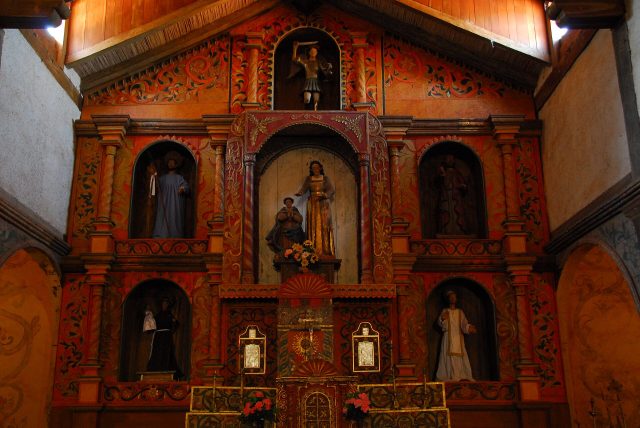
The architecture surrounding Plaza 31 de Julio is modest but telling. Low-slung buildings with whitewashed walls and tiled roofs frame the square, their wooden balconies adding a touch of colonial charm. Many of these structures date back to the 18th century, when San Ignacio was still a Jesuit mission, and though they may not be grand, they carry the weight of time. The most prominent building is likely the local church, a legacy of the Jesuit influence that shaped this region. The missionaries who founded San Ignacio left behind more than just buildings; they created a lasting imprint on the town’s character, one that’s still visible in the way the square is laid out and the way people move through it.
San Ignacio de Velasco itself is a town with deep roots. Founded in the 1700s as one of the Jesuit missions in the Chiquitos region, it was a refuge for Indigenous communities fleeing slave raids and a center for the spread of Christianity. Over time, the mission evolved into a town, but it never lost its connection to the past. Today, San Ignacio feels like a place where history isn’t confined to museums or plaques—it’s woven into the fabric of everyday life. The square, in particular, serves as a bridge between eras. It’s where the town’s origins as a mission settlement meet the routines of modern life, where traditions are kept alive not out of obligation, but because they still matter.
The atmosphere on Plaza 31 de Julio shifts with the hours. Mornings are quiet, with vendors setting up stalls and the first visitors trickling in—those heading to work, running errands, or stopping for a quick coffee. By midday, the square comes alive. Schoolchildren dart between the trees, older residents settle onto benches with newspapers or knitting, and groups of teenagers linger near the edges, laughing or scrolling through their phones. As evening falls and the heat subsides, families take over. Parents push strollers, couples stroll arm in arm, and sometimes, if you’re lucky, a local musician will set up near the fountain, filling the air with guitar chords or the soft hum of a charango. In those moments, the square feels less like a public space and more like a shared living room, where everyone has a role to play.
For travelers, Plaza 31 de Julio offers a glimpse into a side of Bolivia that’s often overlooked. Unlike the bustling streets of La Paz or the modern energy of Santa Cruz, San Ignacio moves at a different pace—one that’s slower, more deliberate, and deeply human. There are no grand monuments here, no tourist traps, just the quiet rhythm of a town that has found its own way of existing. Those who wander into San Ignacio often leave with the sense that they’ve seen something real, something that can’t be captured in guidebooks. The square, with its unassuming charm, is where that feeling takes root. Sit on a bench, watch the world go by, and let the town reveal itself on its own terms.
In recent years, Bolivia has undergone significant changes, and even small towns like San Ignacio haven’t been untouched by modernization. New businesses have sprung up, younger generations have left for bigger cities, and the pace of life has quickened in some ways. Yet Plaza 31 de Julio remains a place where time seems to stand still. The traditions that have defined this square for generations—impromptu gatherings, festive decorations, the unspoken rules of who sits where—are still alive. It’s a reminder that progress doesn’t always mean leaving the past behind. Sometimes, it’s about finding a way to carry it forward.
For visitors, the square is often the first stop in San Ignacio, and for good reason. From here, it’s easy to explore the rest of the town: the small cafés serving strong Bolivian coffee, the markets selling handwoven textiles and fresh produce, the narrow streets lined with colonial-era houses. But more than anything, Plaza 31 de Julio is where you begin to understand what makes this place tick. It’s where you see the way history and modernity coexist, where you realize that a town’s soul isn’t found in its landmarks, but in the quiet moments between them. The square isn’t just a place—it’s a living piece of a community, one that continues to evolve while staying firmly rooted in its past.