San Ignacio de Velasco sits quietly in eastern Bolivia, a place most travelers pass without a second glance. Yet at its heart stands a church that tells a story far richer than its modest appearance suggests. Built in the 18th century by Jesuit missionaries, this mission is more than an old building—it’s a piece of living history, one that once bridged Europe and the indigenous communities of the Chiquitos region.
The Jesuits arrived in South America with a vision: to create settlements where native peoples could live under the church’s protection while preserving elements of their own culture. San Ignacio de Velasco became one such place, founded in 1748 as a home for the Chiquitos people. Here, they learned new skills—carpentry, music, and the basics of Catholicism—without entirely abandoning their traditions. Though the Jesuits were eventually expelled from the colonies, their influence lingered, woven into the fabric of the town.
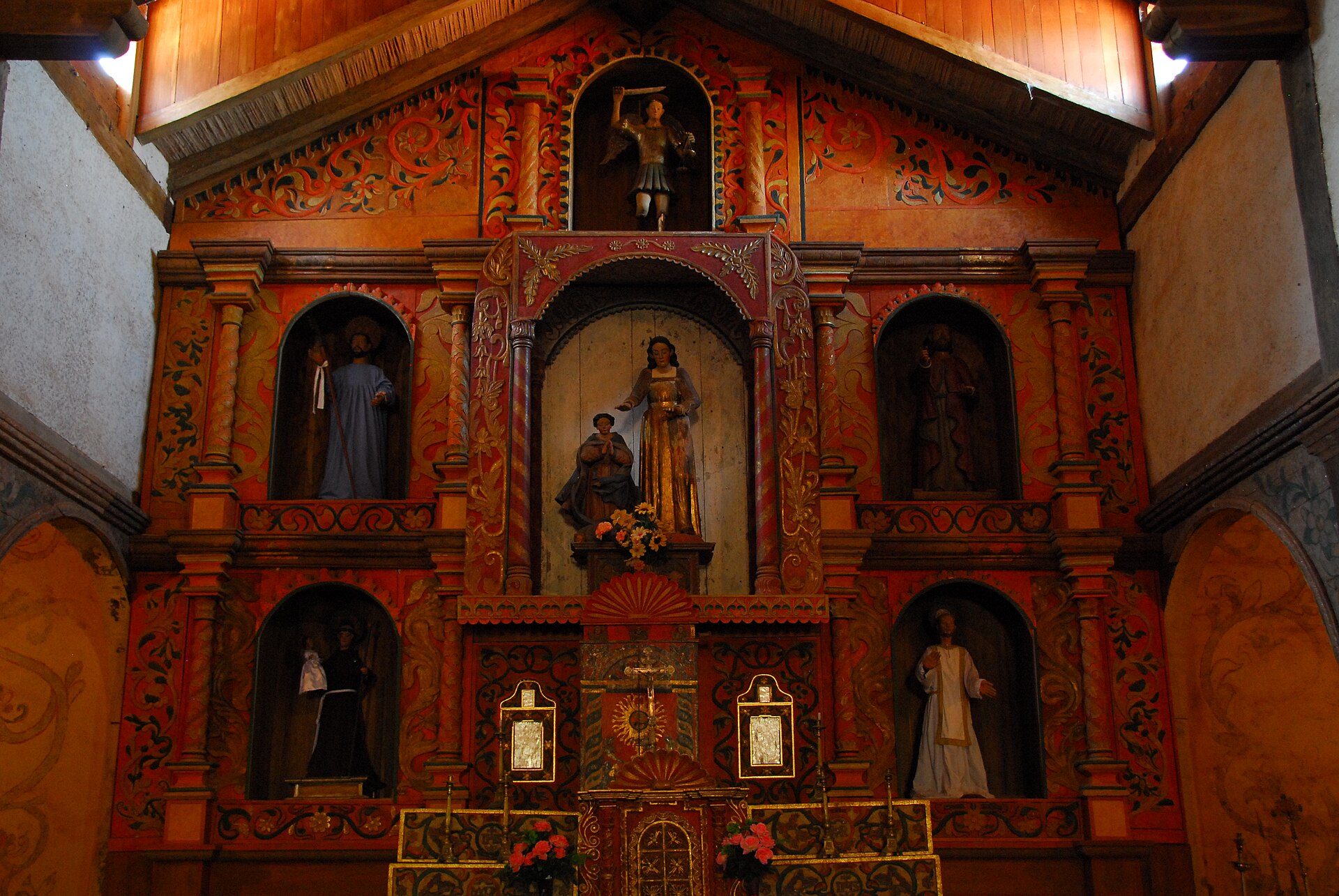
The church itself is a study in contrasts. Unlike the grand cathedrals of Europe, its design is simple, shaped by local materials and needs. Clay and wood form its structure, while the facade bears understated yet striking details—carved columns, arches, and reliefs that hint at Baroque influences but carry the unmistakable touch of indigenous craftsmanship. Inside, wooden altars glow with faded but vibrant paint, and statues of saints stand as silent witnesses to the hands that carved them centuries ago.
Music was always at the heart of life here. The Jesuits brought European instruments and sheet music, but the Chiquitos people made them their own, composing pieces that still echo through the church today. Some of these 18th-century melodies are performed by local choirs, their voices filling the space with a sound that feels both ancient and alive. The town celebrates this legacy each year, turning music into a bridge between past and present.
San Ignacio de Velasco moves at its own unhurried pace. The streets are narrow, the houses low, and the people warm and unassuming. There are no crowds here, no tourist traps—just the quiet rhythm of a place that has held onto its identity. Many locals still speak proudly of their ancestors’ roles in building the church or playing in its orchestra, keeping the memory of the mission alive in everyday conversations.
Though less famous than other colonial sites in Bolivia, San Ignacio has a charm all its own. There’s no grandeur here, just authenticity—a sense that history isn’t something preserved behind glass but something that still breathes. The church remains active, its doors open for services where townspeople gather as they have for generations. It’s a place where the past isn’t just remembered; it’s lived.
For those drawn to history and culture, this town offers a quiet revelation. A few days spent wandering its streets, listening to music in the church, or talking with locals can feel like stepping into another time. Far from the usual tourist routes, San Ignacio rewards visitors with something rare: a glimpse of a place untouched by modern haste. Nearby, other missions wait to be explored, but this one lingers in the mind, a reminder of how cultures can meet and transform one another.
San Ignacio de Velasco isn’t just a monument. It’s proof of how different worlds can come together, leaving behind something entirely new. Here, European traditions and indigenous ways didn’t just coexist—they created a legacy that still endures. To visit is to touch a history that refuses to be confined, one that feels as real and enduring as the land itself.