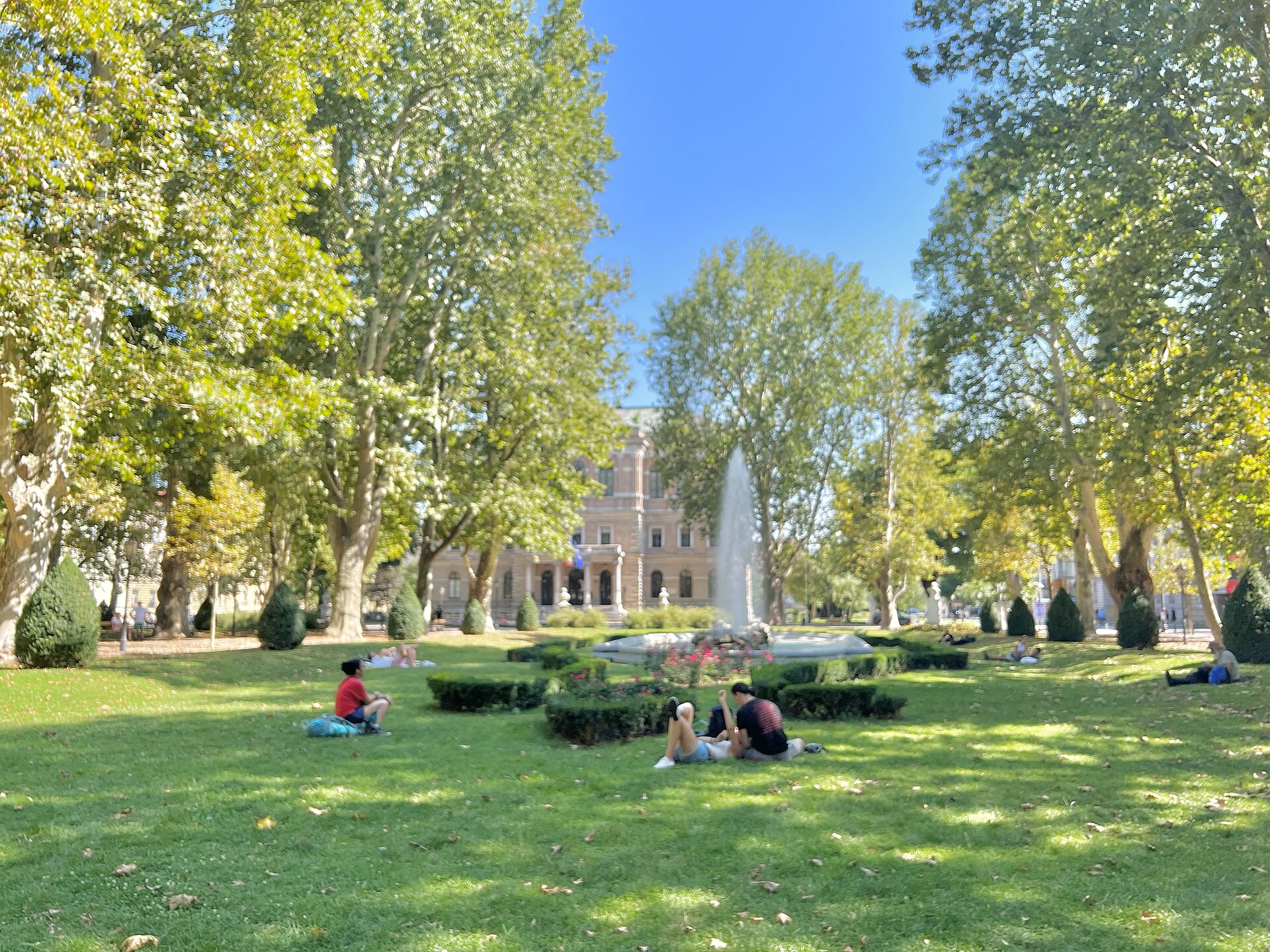
Nestled in the heart of Zagreb’s Lower Town, Trg Nikole Zrinskog is one of those rare places where history doesn’t just linger in the architecture—it breathes. This small but significant square sits at the crossroads of several narrow streets, where the worn cobblestones and timeworn facades of the old city seem to slow time itself. Here, the past isn’t confined to plaques or museum displays; it’s woven into the very air, a quiet presence that makes itself known with every step.
The square takes its name from Nikola Šubić Zrinski, a 16th-century Croatian nobleman whose legacy is etched into the nation’s identity. Zrinski’s most famous act—the defense of Szigetvár against the Ottoman Empire—became a symbol of resilience, a story of defiance that still resonates in Croatia today. The square, in its own way, serves as a monument to that era, a place where history feels less like a distant lesson and more like a living conversation. On certain days, official ceremonies or cultural events unfold here, but even on quiet afternoons, there’s a sense that the square is still part of something larger than itself.
The buildings surrounding the square tell their own stories, each one a layer in Zagreb’s architectural evolution. The most striking is the Zrinski Palace, originally constructed in the 17th century, though little remains of its original form. Today, it houses the Croatian History Museum, where visitors can trace the country’s journey through artifacts and exhibits. Nearby stands the Church of St. Mark, its colorful tiled roof one of Zagreb’s most recognizable sights. The church’s facade is adorned with the coats of arms of Croatia, Dalmatia, and Slavonia, a reminder of how closely politics and faith were intertwined in this region. Together, these structures create a backdrop that feels both grand and intimate, a place where history isn’t just observed but experienced.
Centuries ago, this spot was a bustling marketplace, where farmers and craftsmen from surrounding villages gathered to trade. Over time, it transformed into the administrative heart of the city, a place where decisions were made and news was shared. By the 19th century, gas lamps flickered here at night, and later, tram tracks wove through the square, connecting the old town to the rest of Zagreb. Each era left its mark, and today, the square feels like a palimpsest—an accumulation of stories, each one visible if you know where to look.
Nowadays, Trg Nikole Zrinskog is far from a static monument. It’s a place where life unfolds in real time: locals meeting friends, tourists pausing to take photos, students rushing to lectures at the nearby university. In the mornings, a small market springs up, offering fresh produce and artisanal goods. When the weather warms, the square often hosts concerts and festivals, turning it into a hub of activity. In winter, a Christmas tree stands at its center, and the air fills with the scent of roasted chestnuts and mulled wine. The square adapts to the seasons, but its essence remains the same—a space where the city’s rhythm is felt most deeply.
What makes this square special is how effortlessly it bridges the gap between past and present. It’s not a museum frozen in time, but a place where history and daily life coexist. You might see an elderly man feeding pigeons while a group of teenagers lounges on the steps of the church, or a street musician playing a tune that echoes off the old stone walls. The hum of trams passing by doesn’t disrupt the atmosphere; it reinforces it, a reminder that this is a living, breathing part of the city.
For anyone trying to understand Zagreb, this square is an ideal starting point. From here, you can wander through the Lower Town’s winding streets, ducking into cafes or browsing the wares of local artisans. A short walk away, the Lotrščak Tower offers a panoramic view of the city, while the steps of St. Mark’s Church provide a perfect spot to watch the light change on the ancient walls. There’s no rush here, no sense of being herded along a tourist trail. Instead, the square invites you to linger, to soak in the details that make Zagreb unique.
In the end, the true magic of Trg Nikole Zrinskog isn’t in its grand buildings or its historical significance—though those are undeniable. It’s in the way the square makes you feel connected to something enduring. Standing here, it’s easy to imagine the merchants, soldiers, and townspeople who once walked these same stones, their voices mingling with the sounds of the present. Zagreb has changed in countless ways since then, but this square remains its beating heart, a place where history isn’t just remembered—it’s lived.