
Lower Town
Croatia · 4 places
Photo: Sei F from Tokyo, Japan, CC BY-SA 2.0
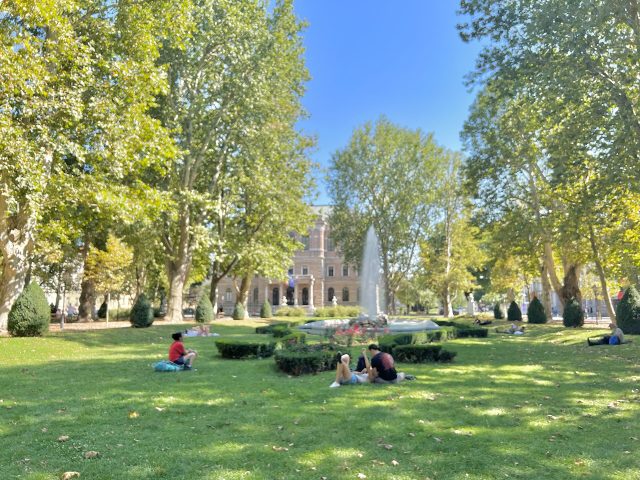
Donji Grad isn’t the kind of place that merely preserves its past—it lives within it, day after day. Tucked in the heart of Croatia, the city feels suspended in time, though its rhythm is anything but frozen. Cobblestone streets wind past squares where cafés spill onto the pavement and small shops hum with quiet commerce. The architecture here isn’t a museum exhibit; it’s part of the everyday. Medieval walls stand beside Baroque facades, Renaissance palaces look as though they were built yesterday, and the whole effect is one of effortless continuity. It’s the sort of place that seems untouched by mass tourism, though those in the know have long cherished it for its authenticity.
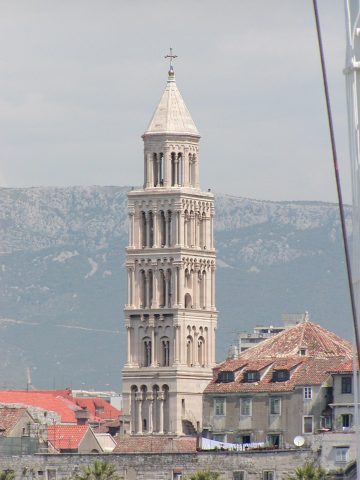
The main square is where the city’s pulse beats strongest. Locals linger over coffee, children dart around the fountain, and visitors try to make sense of the maze of streets radiating outward. At its center, the spire of St. Mark’s Cathedral punctuates the skyline, visible from nearly every corner. The cathedral isn’t just a landmark—it’s a witness to centuries of history, its walls holding stories that feel almost tangible. Beside it, the former ruler’s palace now houses the city museum, where artifacts trace Donji Grad’s evolution from Roman times to the present. The exhibits aren’t flashy, but they don’t need to be; the city’s history is alive in the streets outside.
No visit to Donji Grad would be complete without settling into one of its timeworn cafés or taverns. There’s no rush here—tables are often occupied for hours as patrons watch the world go by. The food is simple but deeply flavorful: smoked meats, aged cheeses, and wines from nearby vineyards. On summer evenings, live music drifts from the terraces, and the city takes on a festive air, though never at the expense of its unhurried charm.
Beyond its historic core, Donji Grad offers quieter pleasures. The surrounding hills are blanketed in vineyards and olive groves, and walking their slopes is a joy in itself. Locals might invite you to sample their latest vintage or pour you a glass of fresh olive oil, explaining the nuances with pride. The river nearby is a gathering spot in summer, where families picnic on its banks, and in winter, fishermen cast their lines from the bridges. A short distance away, small lakes provide a cool respite on hot days, perfect for a swim or an afternoon with a book.
What makes Donji Grad special is its refusal to perform for visitors. There are no neon signs or tourist traps, no attempts to package its history into something consumable. The old houses remain lived-in, the courtyards stay quiet, and the people still greet each other by name. It’s a place that rewards those who take their time—where you can wander without a map and stumble upon corners that feel like secrets. Or you can simply sit on a bench by the cathedral and watch the light shift across the ancient stones, letting the city’s unhurried pace become your own.
See & Do
All of them

Places on the map
Marker colour follows the categoryClimate and weather
Detailed weather: Lower Town- Average temperature
- 14 °C
- Precipitation per year
- 898 mm
- Sunshine hours per day
- 5.7 h
Average air temperature
°C
3
6
10
14
18
24
25
25
19
14
8
4
Jan
Feb
Mar
Apr
May
Jun
Jul
Aug
Sep
Oct
Nov
Dec


