Plaza Mayor in Lugo is one of those places that doesn’t announce itself with grand monuments or flashy attractions. Tucked into the heart of the old town, it feels like a quiet corner where time moves at its own pace. The streets around it still follow the same medieval layout they did centuries ago, and the buildings carry the weight of history without trying to impress. This isn’t a place for hurried tourists; it’s where the city’s rhythm unfolds naturally, as it has for generations.
The architecture here tells a story of slow, organic growth. The buildings lining the square are mostly two or three stories tall, their stone facades weathered by time, their wooden balconies typical of Galicia. Some still bear the coats of arms of noble families who once called Lugo home. The 18th-century town hall stands out with its classical portico and symmetrical design, but even this more formal structure doesn’t feel out of place among the simpler, older buildings. Everything here seems to belong, as if each addition was made with the same quiet confidence.
Lugo’s history is woven into the very stones of Plaza Mayor. In the Middle Ages, this was where markets bustled and townspeople gathered to discuss matters of the day. As the city grew and its council gained influence, the square became the administrative heart of Lugo. The name "Mayor" ("main" or "great") wasn’t an exaggeration—this was once the most important public space in the city. Today, it still serves that role in a way, hosting local festivals, occasional markets, and the kind of small events that give a place its character.
What makes Plaza Mayor special is how seamlessly it fits into everyday life. There are no crowds of visitors here, just locals going about their day. In the mornings, you might see elderly men playing dominoes at café tables, their laughter mixing with the clink of coffee cups. Children dart between benches, and vendors set up stalls for the weekly market. In summer, the square comes alive with concerts, while in winter, strings of lights transform it into a cozy gathering spot. It’s a place where the past and present coexist without fanfare.
This isn’t a square that demands attention. There are no grand monuments to photograph or guided tours to follow. Instead, it invites you to slow down—to sit on a bench, sip a coffee in one of the ground-floor bars, or simply watch the city go by. The buildings aren’t roped off; they’re lived in, their facades bearing the marks of time and use. The square feels open, unpretentious, as if it’s always been waiting for someone to pause and take it in.
If you look closely, you’ll find small details that hint at its history. On one corner, an old stone carving marks a medieval unit of measurement, a reminder of the trades that once took place here. In another spot, a niche holds a statue of a saint, a silent guardian of the city. These little touches give Plaza Mayor a sense of personality, as if the square itself has stories to tell if you’re willing to listen.
Evenings bring a different kind of magic. As the streetlights flicker on, the stone facades glow with a warm, golden light, and the shadows of the trees stretch across the cobblestones in shifting patterns. The sounds of the city soften, and the square takes on a quieter, more reflective mood. It’s the perfect time to wander, or to linger over a glass of wine in one of the bars, watching as the day gives way to night.
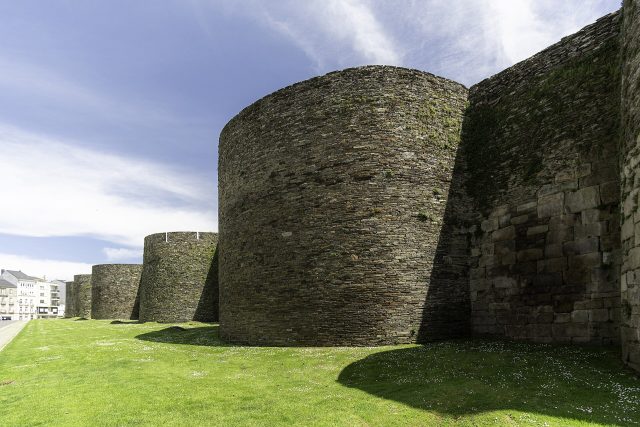
For those who visit Lugo, the city’s Roman walls and cathedral are often the main draws. But Plaza Mayor offers something just as valuable—a sense of authenticity. There’s no performance here, no attempt to impress. Instead, it’s a place where the past feels present, where the city’s heartbeat is steady and unhurried. It doesn’t ask for much, just that you take a moment to be part of it. And in doing so, you might find that it leaves a lasting impression, not because of what it shows you, but because of how it makes you feel.