Lugo
Spain · 2 places
Photo: Adnñzo8, Public domain
Lugo moves at its own pace, a quiet corner of Galicia where history isn’t just preserved—it’s still being lived. Unlike the crowded tourist hubs of Spain, this city doesn’t perform for visitors. Instead, it offers something rarer: the chance to step into a rhythm that hasn’t changed in centuries. The air carries the scent of fresh bread from corner bakeries, the murmur of Galician conversations spills from cafés, and the past isn’t locked behind glass but woven into the streets themselves.
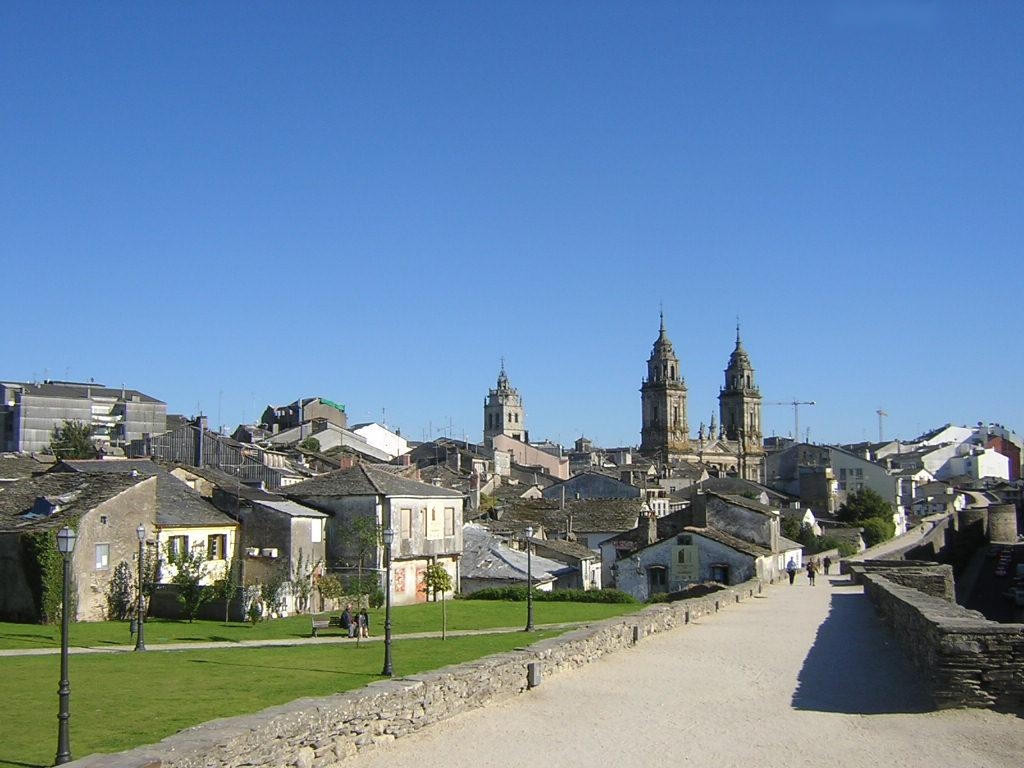
The city’s defining feature is its Roman wall, the only one in the world still standing in its complete, unbroken circuit. Over two thousand years old, it encircles the old town like a silent guardian, its weathered stones bearing the weight of empires. You can walk its entire length, climbing the worn steps to a path wide enough for strollers and joggers, lovers and old friends. From up here, the city unfolds in layers: terracotta rooftops, church spires piercing the sky, and beyond them, the rolling green hills that have always defined this landscape. Locals don’t call it a monument. To them, it’s simply *the wall*—a place to meet, to think, to watch the light change over the rooftops.
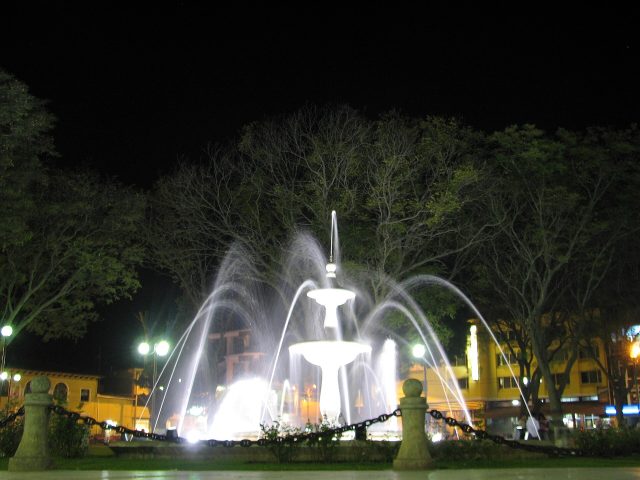
The heart of Lugo beats in its medieval streets, where narrow lanes twist toward small plazas anchored by fountains or grand old mansions. Plaza Mayor is the city’s stage, dominated by the town hall’s clock tower and the cathedral beside it, a patchwork of architectural styles accumulated over centuries. Inside, the air is cool and still, the stained glass casting colored light onto the stone floors. Nearby, life plays out in its simplest forms: a group of men arguing over dominoes, children kicking a ball across cobblestones, the occasional clink of cutlery as someone tucks into a plate of *pulpo a la gallega*—octopus cooked with paprika and olive oil, a dish as unpretentious as the city itself.
Lugo doesn’t chase trends. There are no luxury boutiques or neon-lit clubs, just the steady pulse of a place that values authenticity over spectacle. The Minho River flows past the city, its banks lined with promenades where people walk in the evenings, stopping to chat or watch the water. In summer, the streets come alive with festivals, music spilling from open windows and impromptu dances breaking out in the squares. Winter brings a quieter mood, the city wrapped in mist, the pace slowing even further as locals retreat to warm kitchens and the glow of tavernas.
This isn’t a city that will dazzle you with grand gestures. It won’t overwhelm you with sights or demand your attention. Instead, it offers something subtler: the chance to slow down, to notice the way sunlight slants across an ancient wall, to savor a meal without hurry, to listen to the cadence of a language that has been spoken here for centuries. If you find yourself in Galicia, let Lugo be more than a stop on the way to somewhere else. Walk the wall at dusk, linger in a café, let the quiet seep in. The city won’t change your life, but it might remind you what it feels like to live in a place where time hasn’t been rushed.
See & Do
All of them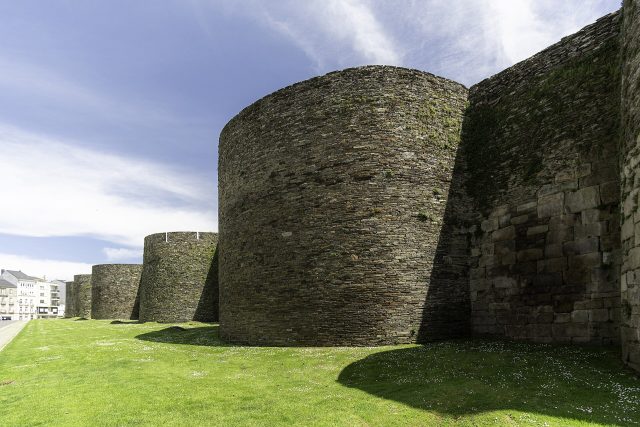
Eat & Drink
All of them
Places on the map
Marker colour follows the categoryClimate and weather
Detailed weather: Lugo- Average temperature
- 12 °C
- Precipitation per year
- 1085 mm
- Sunshine hours per day
- 5.3 h
Average air temperature
°C
7
8
9
11
14
17
19
19
17
14
9
7
Jan
Feb
Mar
Apr
May
Jun
Jul
Aug
Sep
Oct
Nov
Dec