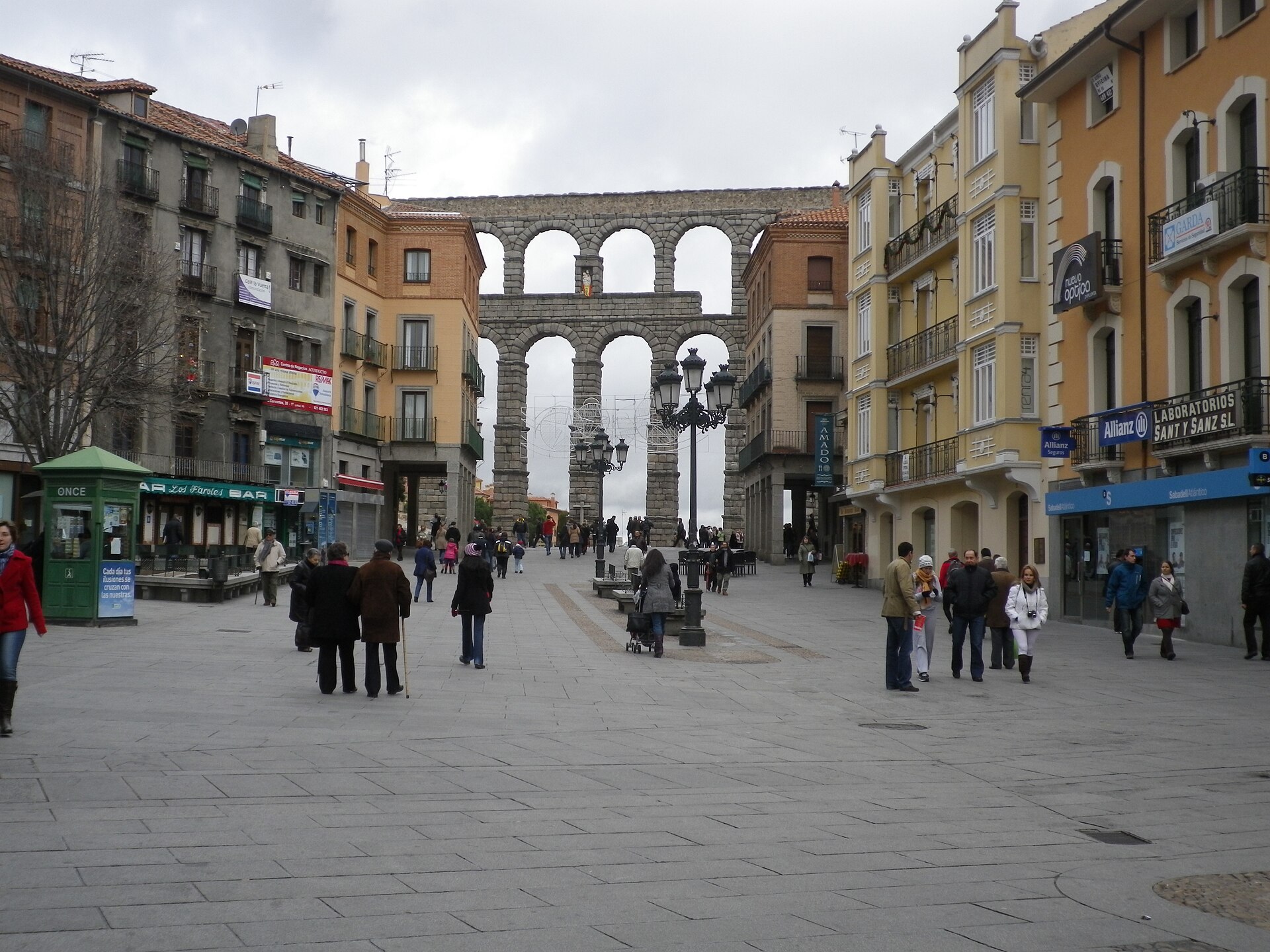
Plaza de la Azoguejo is one corner of Segovia where the city reveals itself without hurry. It’s less crowded than the main square by the cathedral, less polished than the streets around the aqueduct. The narrow lanes leading here twist between gray stone houses, and when you step onto the square, the pace slows. Time moves differently here.
The plaza is small, framed by low buildings with wooden balconies and terracotta roofs. At its center stands a fountain, once a vital water source for the neighborhood. Now it’s decorative, though the clear water and weathered stone still draw the eye. Locals gather around it in the evenings, when the air carries the scent of roasted chestnuts and coffee.
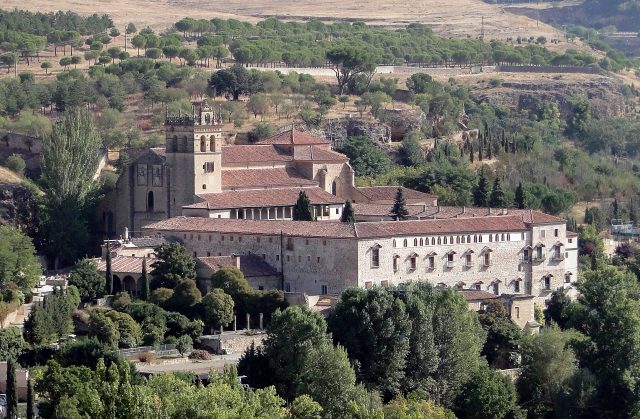
The architecture is old Castile—built from local granite. Many buildings still show medieval traces: narrow windows, heavy wooden doors, faded coats of arms. One of the oldest structures is a former 16th-century hospital, now a small museum. Its high ceilings, arched galleries, and inner courtyard with columns make it feel like a portal to another era.
The plaza wasn’t always this quiet. In the Middle Ages, it was a marketplace, later a gathering place for the city council. The name comes from an Arabic word meaning "market," and though the stalls are gone, the square still carries the energy of a place where people traded and celebrated. That history is strongest in the mornings, when cafés open and visitors settle by the fountain. The clatter of dishes, murmur of conversations, and laughter of children fill the air.
By evening, the square transforms. Streetlights flicker on, casting long shadows. In one corner, a small bar hums with activity—locals sipping wine, sharing tapas. Some nights, musicians play traditional tunes near the fountain. The music blends with voices, creating a soundtrack that feels both timeless and local.
For visitors, Plaza de la Azoguejo offers a different side of Segovia—one without crowds rushing toward the aqueduct or cathedral. Sit with a coffee and watch the city live around you. Older residents chat on benches, parents bring children to play, friends gather in bars. There’s no performance here, just the quiet rhythm of a place that has always been.
Wander through the plaza, take a side street, and you’ll find Segovia’s old Jewish quarter. The narrow alleys, arched doorways, and hidden courtyards remind you of the city’s layered past. Azoguejo was a common ground for trade, meetings, everyday exchanges. That history lingers in the stones, in the light on the facades, in the echoes of footsteps.
The plaza changes with the seasons. In winter, it’s quiet, sometimes dusted with snow. The fountain may freeze. Spring brings flowers to the balconies. Summer turns the square lively, with concerts and festivals. But autumn is its loveliest time—golden leaves, crisp evenings, the scent of burning firewood.
Azoguejo doesn’t demand attention. It has no grand monuments or sweeping views. It rewards those who stumble upon it, who let Segovia’s backstreets guide them. Sooner or later, you’ll end up here, where time moves at its own pace.