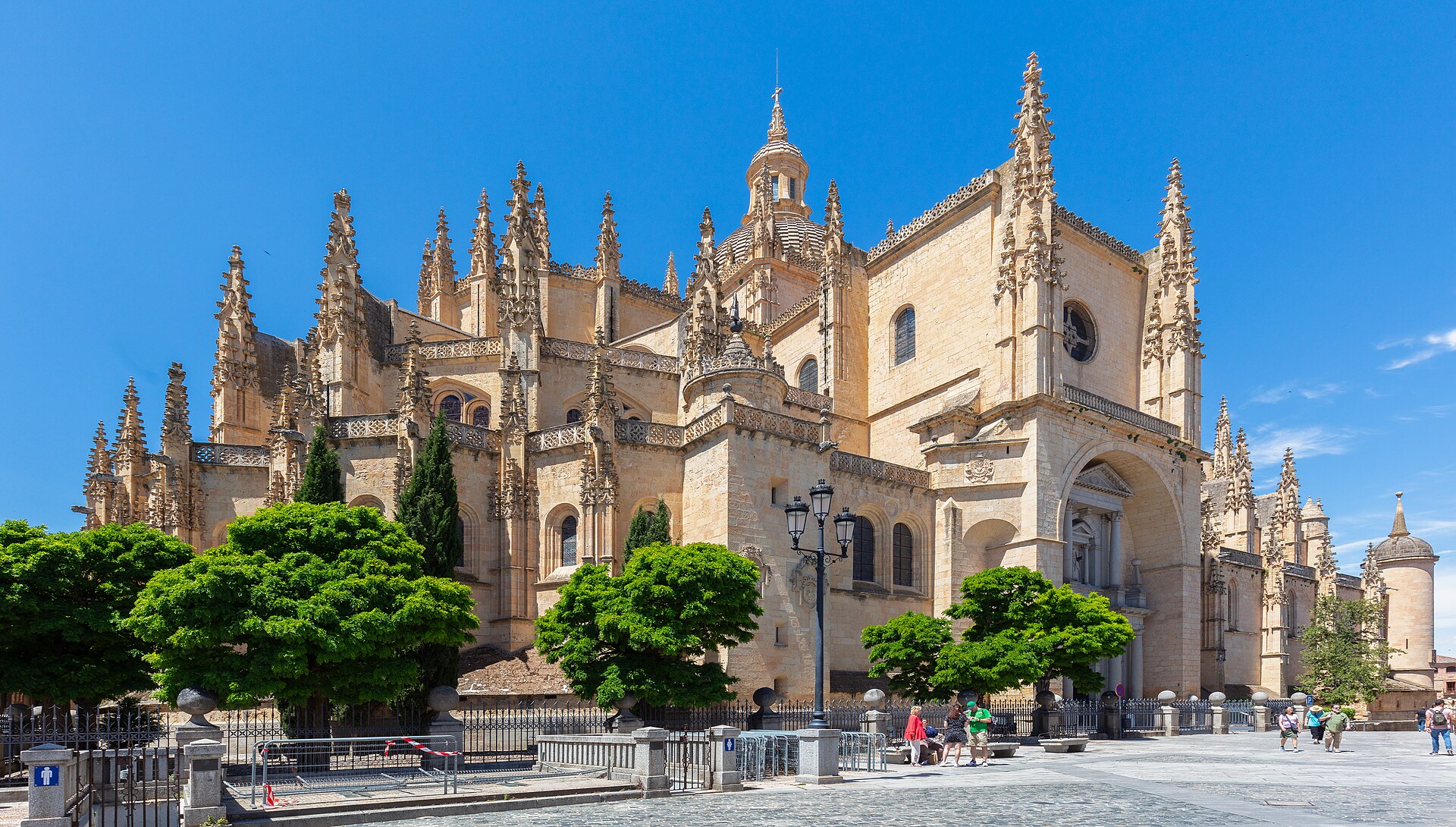
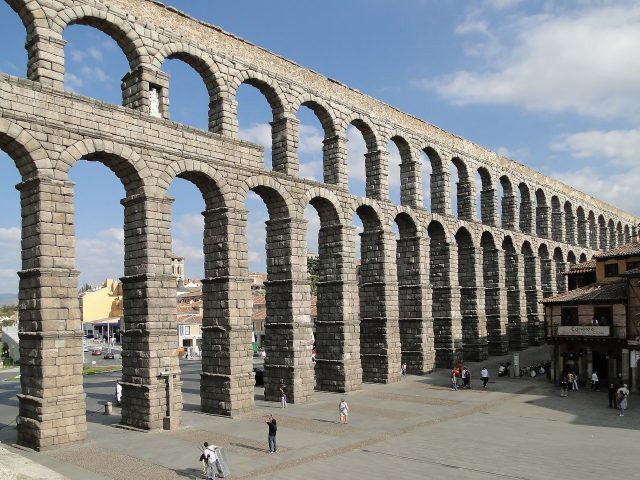
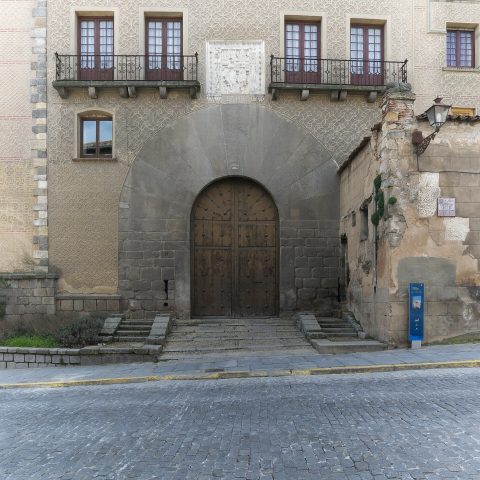
Segovia Cathedral stands apart from Spain’s grandest cathedrals not because of overwhelming scale, but because of the quiet elegance that earned it the nickname *the Lady of Cathedrals*. Perched on the highest point of the city, it overlooks the terracotta rooftops and the ancient aqueduct, a silent witness to Segovia’s past as a religious and cultural heart of Castile. Construction stretched across nearly two centuries, and the building itself tells a story of shifting styles—from late Gothic ambition to the refined Renaissance touches added in the 16th century. It’s a place where history isn’t just remembered; it’s still present in the stone and light.
The cathedral’s origins are tied to a turbulent moment in Spanish history. The cornerstone was laid in 1525, replacing a Romanesque church destroyed during the Revolt of the Comuneros, when Castilian cities rose against Emperor Charles V. The new cathedral was meant to symbolize reconciliation and renewal, built with the grandeur befitting a kingdom. The project was led by Juan Gil de Hontañón, whose son Rodrigo later joined, softening the design with a lighter, more graceful touch. The result is a structure that feels both monumental and effortlessly balanced—tall lancet windows draw the eye upward, slender columns guide the gaze, and the vast interior manages to feel intimate despite its size.
Inside, the cathedral avoids the opulence common in many Spanish churches. Instead, it adheres to Gothic principles of harmony and light. Sunlight filters through stained glass, casting shifting hues across the stone, while the vaulted ceilings seem to float overhead. The high altar is a masterpiece of Plateresque craftsmanship, its intricate woodcarvings blending biblical scenes, floral motifs, and saints in a dense, almost lace-like relief. Nearby, the choir stalls are a marvel in themselves, each seat carved with such detail that they feel like individual works of art. The side chapels hold paintings by notable Spanish artists, including Flemish works brought here by merchants and pilgrims centuries ago.
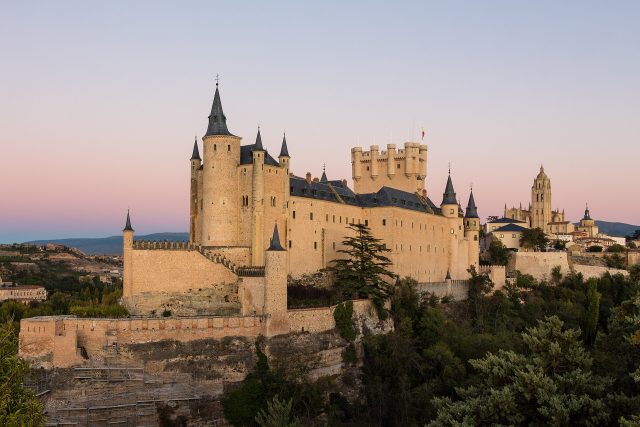
One of the cathedral’s most distinctive features is its tower, modest in height compared to others in Spain but notable for being one of the few visitors can climb. The staircase is narrow and steep, but the view from the top is worth the effort. From here, Segovia unfolds in all directions—the aqueduct, the Alcázar, and on clear days, the distant peaks of the Sierra de Guadarrama. The tower was completed in the 18th century, and its spire is crowned not by a cross but by a weather vane in the shape of an angel, a nod to Segovia’s identity. Locals call it *La Giraldilla*, a playful reference to Seville’s famous Giralda, though Segovia’s version is far more understated.
The cathedral has long been intertwined with the city’s history. It was here that Castilian kings were crowned, where relics drew pilgrims from across Europe, and where townspeople sought refuge during wars. The 19th century brought devastation when Napoleon’s troops looted the cathedral, destroying some of its stained glass. Yet Segovia restored it, and today it appears much as it did in the 16th century, though some details have changed. The organ, once considered one of Spain’s finest, now plays only during rare concerts, its music echoing through the nave like a whisper from the past.
Beyond its religious role, the cathedral functions as a museum, housing a collection of sacred art. Visitors can see ancient manuscripts, priestly vestments, and ecclesiastical objects, including a few surviving medieval codices. The most prized is the *Segovia Codex*, a 13th-century illuminated manuscript, one of the few of its kind left in Spain. The crypt beneath the cathedral holds the tombs of bishops and noble citizens, while one of the chapels contains the tomb of Bishop Diego de Ribera, the cathedral’s founder.
A visit here is more than an architectural tour; it’s a step into the rhythm of old Segovia. Even when the city buzzes with tourists, the cathedral remains quiet, as if time moves slower within its walls. In summer, the thick stone keeps the interior cool; in winter, it holds warmth. If you’re lucky, you might hear the choir rehearsing or the organ’s deep notes filling the space, adding to the sense of timelessness. At night, when floodlights illuminate the cathedral, it becomes even more imposing, a reminder of the centuries when Segovia was one of Spain’s most important cities.
The cathedral isn’t as famous as the Alcázar or the aqueduct, but it’s here that Segovia’s spirit feels most tangible—unhurried, a little mysterious, and deeply Castilian. There are no crowds rushing for photos, no guided tours herding visitors through. Instead, there’s silence, the play of light through stained glass, and the quiet certainty that within these walls lie countless stories waiting to be discovered. It’s a place that doesn’t demand attention but rewards those who take the time to look closely.