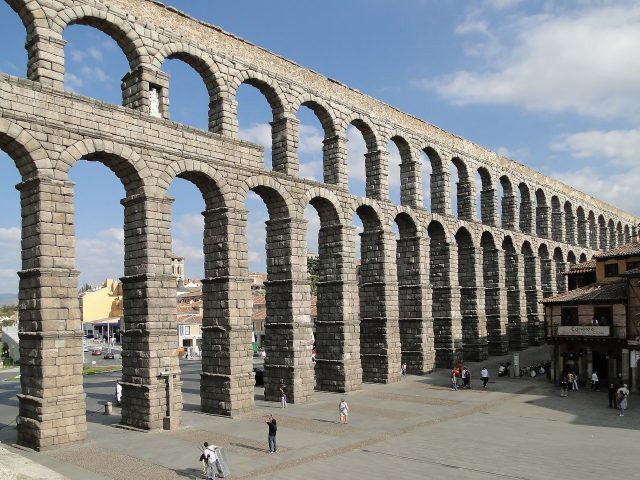
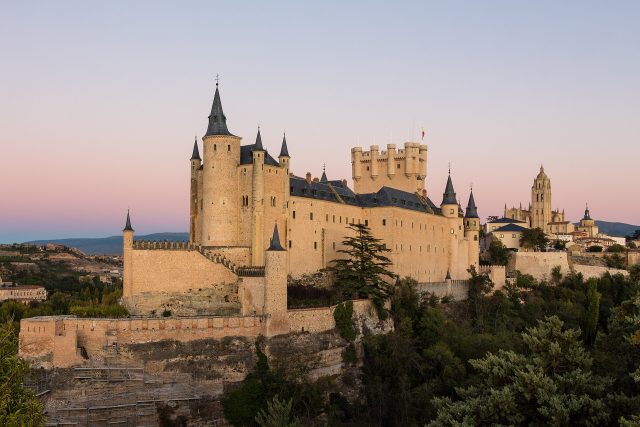
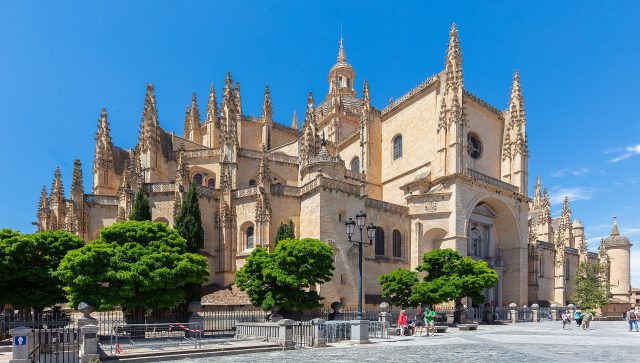
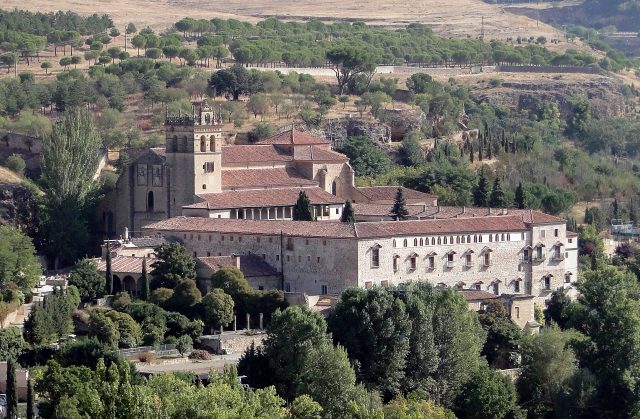
Segovia’s Jewish Quarter isn’t a place for monuments or guided tours. It’s a tangle of narrow streets where history isn’t just remembered—it clings to the walls, the doorways, the hidden courtyards where laundry still hangs and the scent of old wood lingers. Tucked between the Alcázar and the cathedral, it feels suspended in time, quieter than the crowds at the aqueduct or the main square. The past here hasn’t faded; it’s settled into the stones.
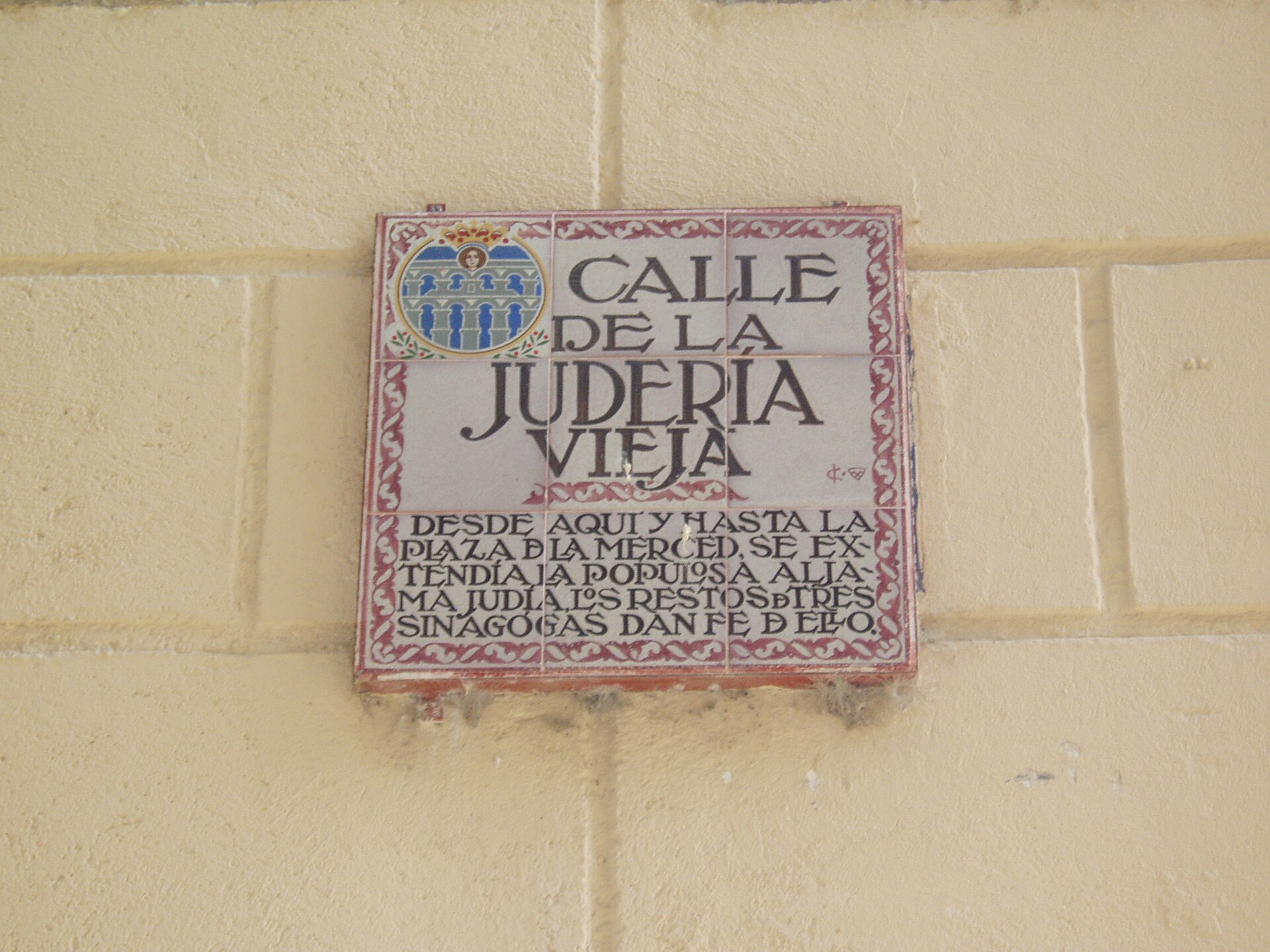
Jewish life in Segovia began in the 12th century, when the city thrived under Castilian rule. By the 13th century, the community had grown into one of the most significant on the Iberian Peninsula. They were moneylenders, merchants, physicians, and scholars—some even served in royal courts. The quarter’s winding alleys and inward-facing houses were built for privacy, a necessity in a world where both were rare.
Look closely: mezuzah outlines on doorframes, high thresholds to keep out dust, communal spaces that once buzzed with life. The architecture tells a story of a people who lived here for centuries, then vanished almost overnight.
The Great Synagogue, built in the 14th century, was the heart of the quarter. It wasn’t just a place of worship but a space for debate, celebration, and mourning. After the 1492 expulsion, it became the Corpus Christi Church, its Gothic arches repurposed for Catholic rites. Today, it’s one of the few remnants of the Jewish past, with a small museum inside. But the real history is outside, in the streets where every stone holds a memory.
The houses here are unassuming. Thick walls, heavy wooden doors—traditional Castilian style—but with subtle Jewish influences: narrow windows to block the sun, courtyards for privacy. Some still serve their original purpose, though now they hold potted plants instead of tools or herbs. The design speaks of a life that valued discretion, where daily routines unfolded behind closed doors.
In 1492, the Alhambra Decree forced Segovia’s Jews to choose between conversion and exile. Many left; those who stayed faced the Inquisition. Records from the time document trials and accusations, a dark contrast to the quarter’s earlier vibrancy. Walking these streets, you feel that duality—a place that was both sanctuary and prison, where faith was both comfort and danger.
The Jewish Quarter endures as a living neighborhood. Locals live in the old houses, shops sell everyday goods, and in the evenings, conversation spills from doorways. It doesn’t perform for tourists; it simply exists, carrying its past without fanfare. No grand entrances, no souvenir stands—just the quiet persistence of history in the details: worn steps, iron rings where horses were tied, the way light slants across a courtyard in the afternoon.
Summer turns the streets into a maze of shadows. Winter brings festivals and the scent of roasting chestnuts. But early morning is the most magical time—the first light touches the stone facades, and the streets are empty except for a cat or the distant chime of a church bell. That’s when the quarter feels most like itself, untouched by the modern world.
What makes Segovia’s Jewish Quarter remarkable? It’s not just its age or architecture. It’s how the past seeps into the everyday—the creak of a door, the way a courtyard catches rain, the wind moving through the alleys as it has for centuries. The stones tell their own story, quietly, to those who listen. And that’s why it stays with you.