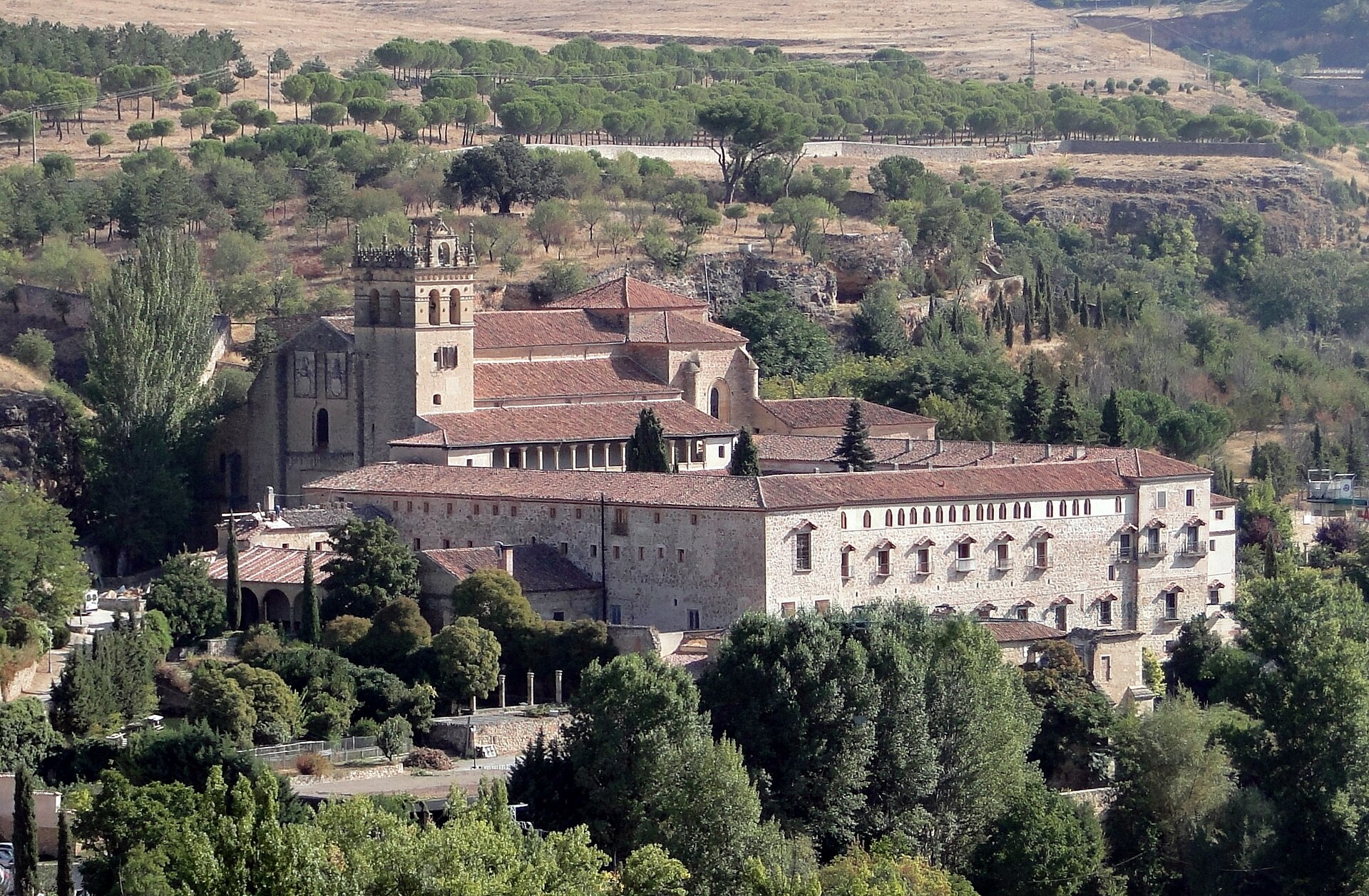
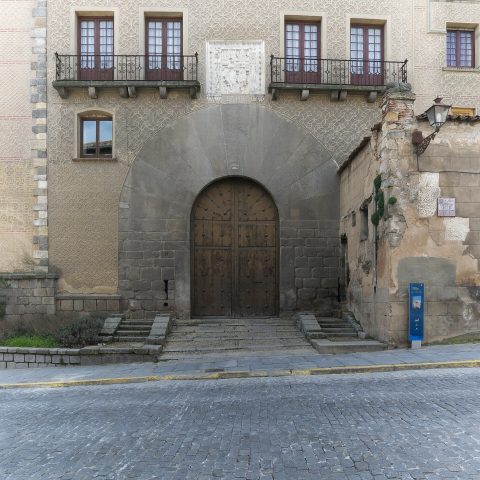
Perched on the edge of Segovia, where the city dissolves into rolling hills dotted with oak groves and vineyards, El Parral Monastery has stood for centuries as a quiet witness to Spain’s unfolding history. Founded in the fifteenth century by King Enrique IV, it was conceived not just as a place of monastic devotion but as a statement of royal authority—a retreat where the austerity of religious life could coexist with the grandeur of the crown. Construction stretched over decades, and by the time it was complete, the monastery had become more than a spiritual refuge. It was a symbol of an era when Spain was still forging its identity, and religious orders held immense influence over its destiny.
The architecture of El Parral reflects the transition between late Gothic and early Renaissance styles, with subtle echoes of Moorish design lingering in its arches and proportions. The monastery’s centerpiece, the Church of Santa María, is a vast, unadorned space where light filters through narrow windows to illuminate the high stone vaults. Inside, there are few frescoes or ornate decorations—just the raw beauty of the architecture itself, a testament to the Hieronymite order’s preference for simplicity. The altar, carved with solemn figures of saints, stands as a reminder of the monastery’s original purpose: a place of prayer, not spectacle.
For centuries, the monastery’s library was a treasure trove of knowledge. Monks painstakingly translated manuscripts from Arabic and Latin, preserving works on theology, astronomy, and philosophy. It’s said that Emperor Charles V may have sought solace here in his later years, drawn to the monastery’s seclusion as he contemplated abdication. Whether or not the stories are true, the atmosphere of El Parral does feel timeless. The silence is so profound that it’s easy to imagine the weight of history pressing down on every stone.
Surrounding the monastery are gardens that were once meticulously tended by the monks, who grew medicinal herbs and fruit trees for sustenance. Today, the gardens are overgrown, their paths tangled with weeds and their olive trees gnarled with age. Yet there’s a strange beauty in their neglect. In summer, the shade of the cypresses offers respite from the midday heat, while in autumn, the air is thick with the scent of fallen leaves and ripening grapes. The gardens, like the monastery itself, seem to exist outside the rush of modern life.
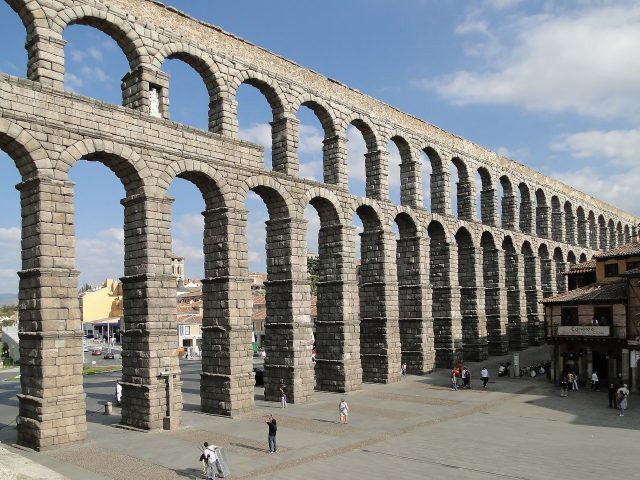
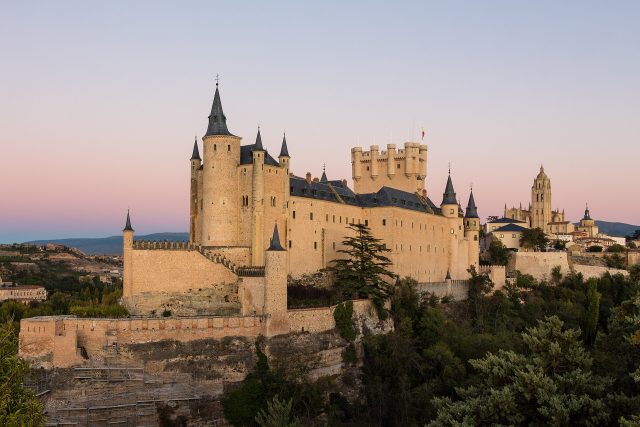
El Parral was never a destination for crowds. Unlike the famous pilgrimage sites of Spain, it attracted only those in search of quiet reflection. Its history is marked by periods of both reverence and neglect. During the Napoleonic Wars, the monastery was looted, and in the nineteenth century, the secularization of church lands left it abandoned. For decades, only a handful of monks remained, until restoration efforts began in the mid-twentieth century. Today, it welcomes visitors, though few make the journey specifically for El Parral. Most who come are those already drawn to Segovia for its aqueduct or Alcázar, and who stumble upon the monastery almost by accident.
The cloister, with its arched walkways, is one of the most evocative spaces in the monastery. It’s easy to picture the monks gathering here for prayer or quiet conversation, their voices blending with the rustle of the wind through the gardens. The refectory, where scripture was once read aloud during meals, is now silent, save for the occasional creak of the old wooden floors. The air feels heavier here, thick with the scent of aged stone and wood, as if the centuries of devotion have seeped into the very walls.
Segovia’s lively streets and bustling plazas feel far away when you’re within the monastery’s walls. El Parral moves to its own rhythm, untouched by the urgency of the outside world. There’s no grand narrative here, no dramatic tales of miracles or battles. Instead, it offers something quieter: a space to sit on a stone bench in the garden, gaze out at the hills, and reflect on the countless others who have come here over the centuries seeking solace. The monastery doesn’t provide answers, but it creates the kind of stillness where they might reveal themselves.