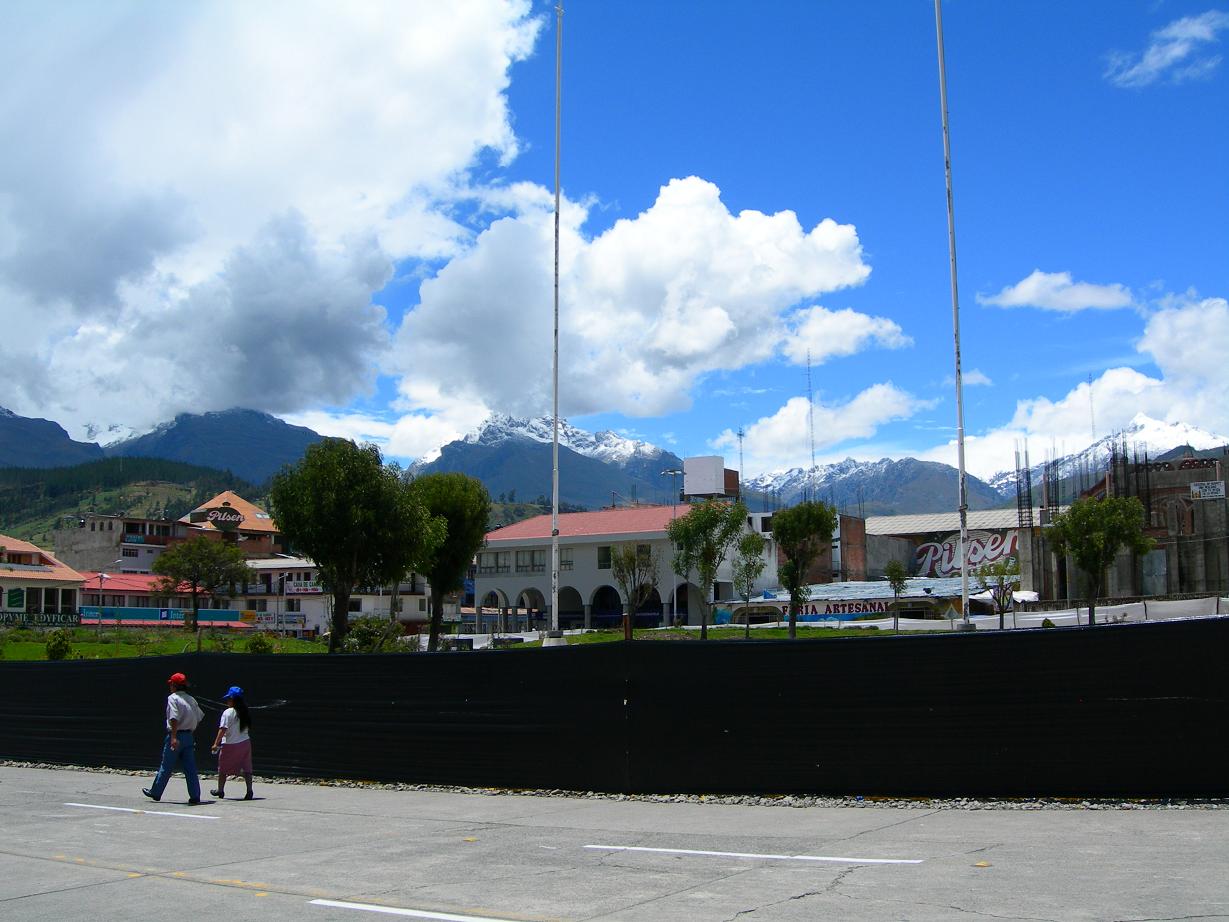
Plaza de Armas in Huaraz is where the city reveals itself in its most unguarded moments—unhurried, a little sleepy, but full of quiet charm. There’s no rush here, no relentless energy of a capital. Instead, the square hums with the easy rhythm of daily life: locals lingering on benches beneath old trees, catching up or simply watching the world go by. The low-slung buildings around the plaza wear bright facades, their balconies draped with flowers, shutters thrown wide open as if inviting passersby to step inside. At its center, a fountain draws children who dart around its edges, while in the evenings, musicians gather to play folk tunes that drift through the air.
Huaraz is often called the capital of the Peruvian Andes, and Plaza de Armas is its beating heart, where history and the present intertwine. The city was founded by the Spanish in the 16th century, and since then, it has been a vital hub for trade and culture in the region. Many colonial-era buildings still stand, their facades bearing the marks of time and earthquakes, yet retaining a certain dignity. The cathedral on the plaza’s northern side is particularly striking—its pristine white walls and understated elegance contrast sharply with the rugged mountain landscape that surrounds the city.
The architecture here blends Spanish influences with local traditions. Homes were built from stone and clay, their red-tiled roofs designed to retain warmth during the chilly Andean nights. Wooden balconies with intricate carvings hint at Huaraz’s past as a prosperous trading town. Along the plaza, arched walkways shelter small cafes and shops where you can sip hot cocoa or sample local sweets. These arcades aren’t just decorative; they’re a practical part of life, offering shade from the high-altitude sun in summer and shelter from the wind in winter.
Plaza de Armas isn’t just a collection of buildings—it’s the stage for the city’s most important gatherings. On weekends, the square transforms into a lively market where artisans sell handwoven textiles, ceramics, and traditional Peruvian dishes. Festivals are especially vibrant, with the plaza filling up for folk dances and music that draw crowds from across the Callejón de Huaylas valley. The scent of grilled meat, fresh bread, and spices lingers in the air, mingling with the sounds of laughter and conversation.
Huaraz sits at over 3,000 meters above sea level, and the altitude shapes the city’s atmosphere. The air is thinner here, but it’s also remarkably clear, and the sky stretches overhead in a shade of blue so vivid it feels almost tangible. Plaza de Armas is one of those places where the altitude makes itself known—mornings bathe the square in golden light, casting long, dramatic shadows, while by midday, the sun can feel intense. But step beneath the arcades or sit by the fountain, and the cool shade offers immediate relief.
For visitors, Plaza de Armas is more than just a starting point for exploring Huaraz—it’s a place to experience the unhurried pace of life in the Peruvian Andes. Unlike the tourist crowds of Cusco or Machu Picchu, the square feels refreshingly local. There are no pushy guides or selfie sticks, just quiet conversations at café tables, children playing around the fountain, and a sense of time moving at its own rhythm. If you’re lucky, you might see women in traditional dress—bright skirts and wide-brimmed hats—selling fruit or flowers, their stalls adding splashes of color to the cobblestones.
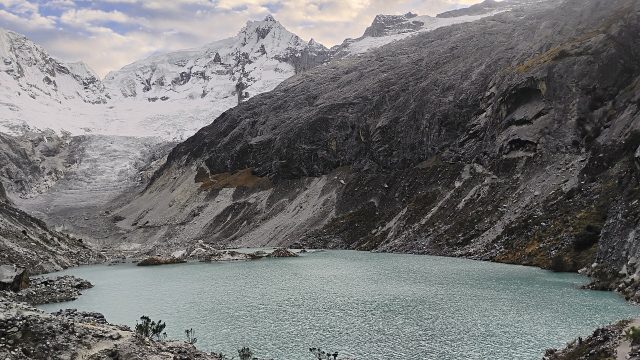
The plaza also serves as a gateway to the mountains that define this region. From here, trails lead to high-altitude lakes, glaciers, and passes that attract hikers and climbers from around the world. Even if you’re not planning an expedition, the view of the snow-capped Cordillera Blanca peaks looming over the city is reason enough to linger. These mountains aren’t just a backdrop—they’re woven into Huaraz’s identity, a constant reminder of the city’s deep connection to the natural world.
As evening falls, Plaza de Armas takes on a different character. When the sun dips behind the mountains, the streetlights flicker on, casting a warm glow over the square. Locals stroll in the cool air, while visitors settle into one of the restaurants beneath the arcades. The sound of guitars and singing spills from open doorways, and the scent of coffee and roasted corn fills the air. It’s a moment when the city feels suspended in time, wrapped in the quiet contentment of a place that doesn’t rush.
The square changes with the seasons, reflecting the moods of the Andes. Winters can be crisp, with occasional snow dusting the rooftops before melting under the sun. Summers turn the plaza into a lush retreat, where trees provide shade and flowers bloom in full color. But no matter the time of year, there’s a sense of tranquility here—something intangible yet deeply felt, like the city itself, nestled in the heart of the mountains.