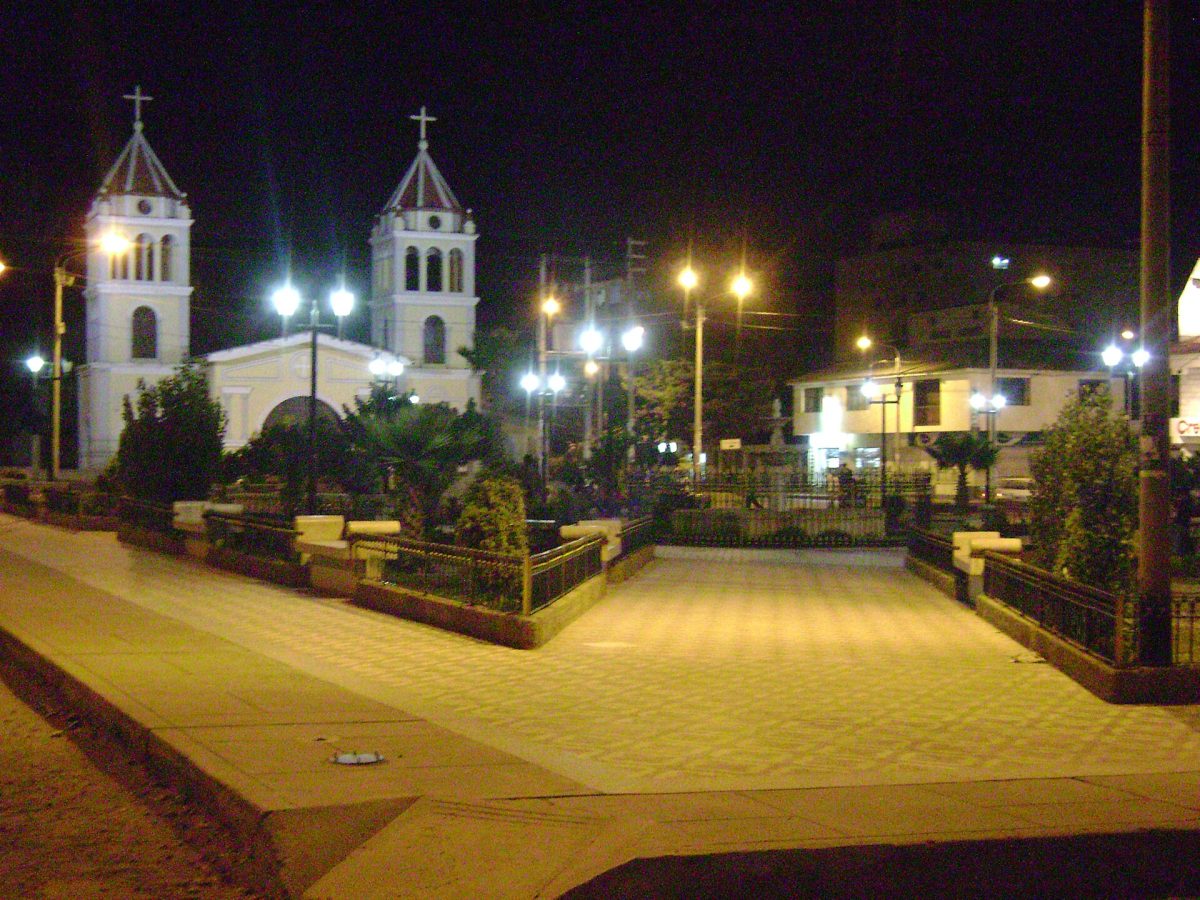
Huaraz
Peru · 4 places
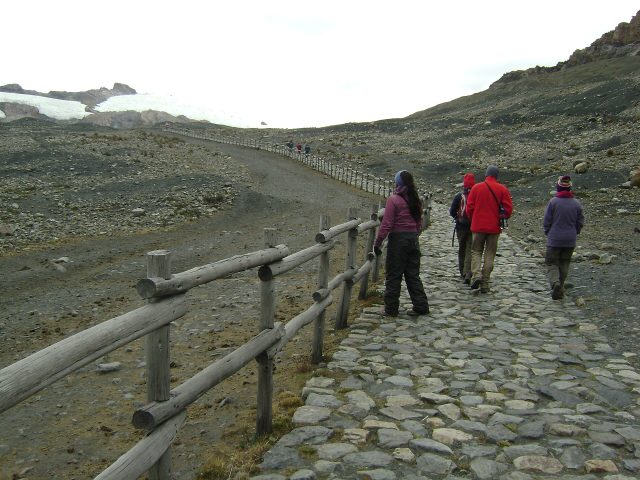
Photo: Dtarazona, CC BY-SA 3.0
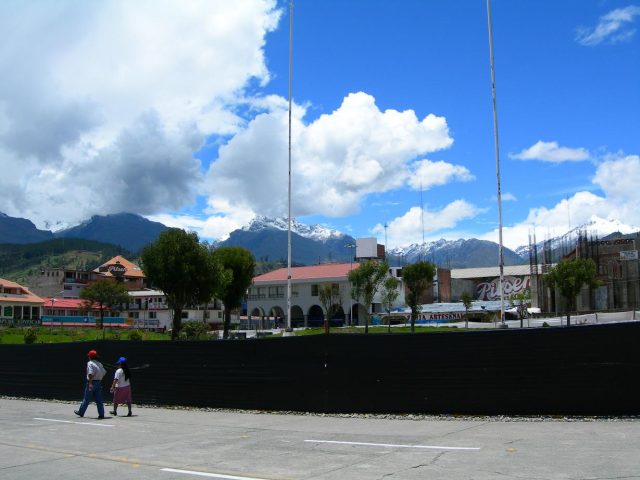
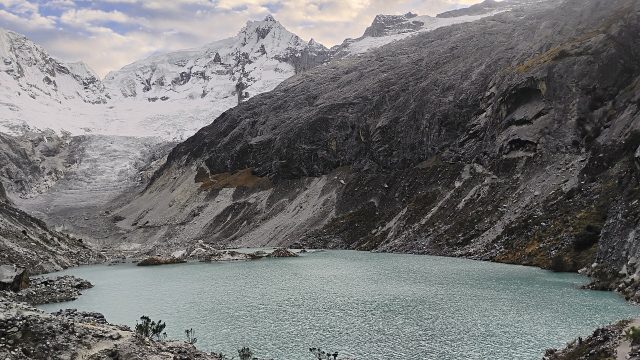
Huaraz sits in the heart of the Peruvian Andes. The air is thin and sharp, carrying the scent of earth and pine, while the sky stretches close, as if you could reach up and touch it. The Cordillera Blanca, the highest tropical mountain range in the world, rises around it in a jagged crown of snow and rock. This isn’t a place for those who prefer gentle landscapes—here, the mountains don’t just loom in the distance; they dominate everything, shaping the rhythm of life.
The city itself is small, but its role in the world of high-altitude adventure is outsized. For trekkers and climbers, Huaraz is the gateway to turquoise lakes tucked into glacial valleys, ice fields that glow under the Andean sun, and trails that wind through passes where the wind howls. Even if you’ve never tied a climbing rope, the scale of the surroundings leaves no room for indifference. Beyond Laguna 69 or Pastoruri Glacier, there are quieter corners: valleys with wildflowers, herds of llamas grazing on steep slopes, and villages where time moves at the pace of a farmer’s footsteps.
Huaraz carries the weight of history lightly. Before the Spanish arrived, these valleys were home to cultures that left behind ruins and place names still spoken in Quechua. The city’s colonial past lingers in the wooden balconies of its older buildings and the narrow streets that once buzzed with the trade of gold and wool. But the real story of Huaraz is in the people. Many here still speak Quechua as their first language, and their lives are woven into the fabric of the mountains. They know when the rains will come by the way the clouds gather over the peaks, and they cook meals passed down for generations: stews thick with potatoes and corn, meat slow-roasted in clay ovens, and fruits that taste sweeter at this altitude.
Life here doesn’t rush. Mornings begin with the crow of roosters and the clatter of market stalls setting up. Evenings settle into a quiet hum of conversation on the main square. There’s no tourist frenzy, no pressure to chase the next attraction. Instead, there’s space to breathe, to watch the light change over the mountains, to sit in a café and listen to the stories of travelers who’ve come from all over the world.
On weekends, the markets fill with vendors from nearby villages, selling handwoven textiles, silver jewelry, and bundles of dried herbs. The bars buzz with people comparing notes on trails, swapping tips for acclimatizing, or simply marveling at the fact that they’re here at all.
The mountains aren’t just scenery in Huaraz; they’re a presence. They dictate the weather, the mood, even the way the city moves. A sudden snowstorm can turn the streets quiet, while a clear morning after rain makes the peaks look so close you could almost walk to them. This unpredictability is part of what makes the place feel alive. It’s not a destination you tick off a list—it’s a world that operates by its own rules. If you’re lucky, it might let you in for a while, just long enough to understand what it means to live in the shadow of something so much bigger than yourself.
See & Do
All of them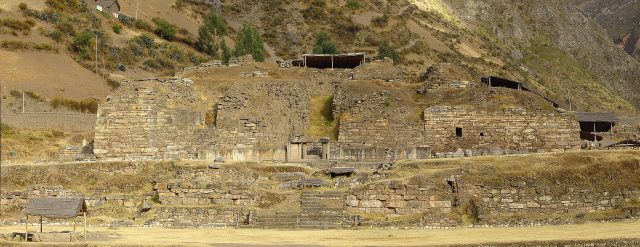
Places on the map
Marker colour follows the categoryClimate and weather
Detailed weather: Huaraz- Average temperature
- 15 °C
- Precipitation per year
- 1459 mm
Average air temperature
°C
15
15
15
15
15
15
16
16
16
17
16
16
Jan
Feb
Mar
Apr
May
Jun
Jul
Aug
Sep
Oct
Nov
Dec


