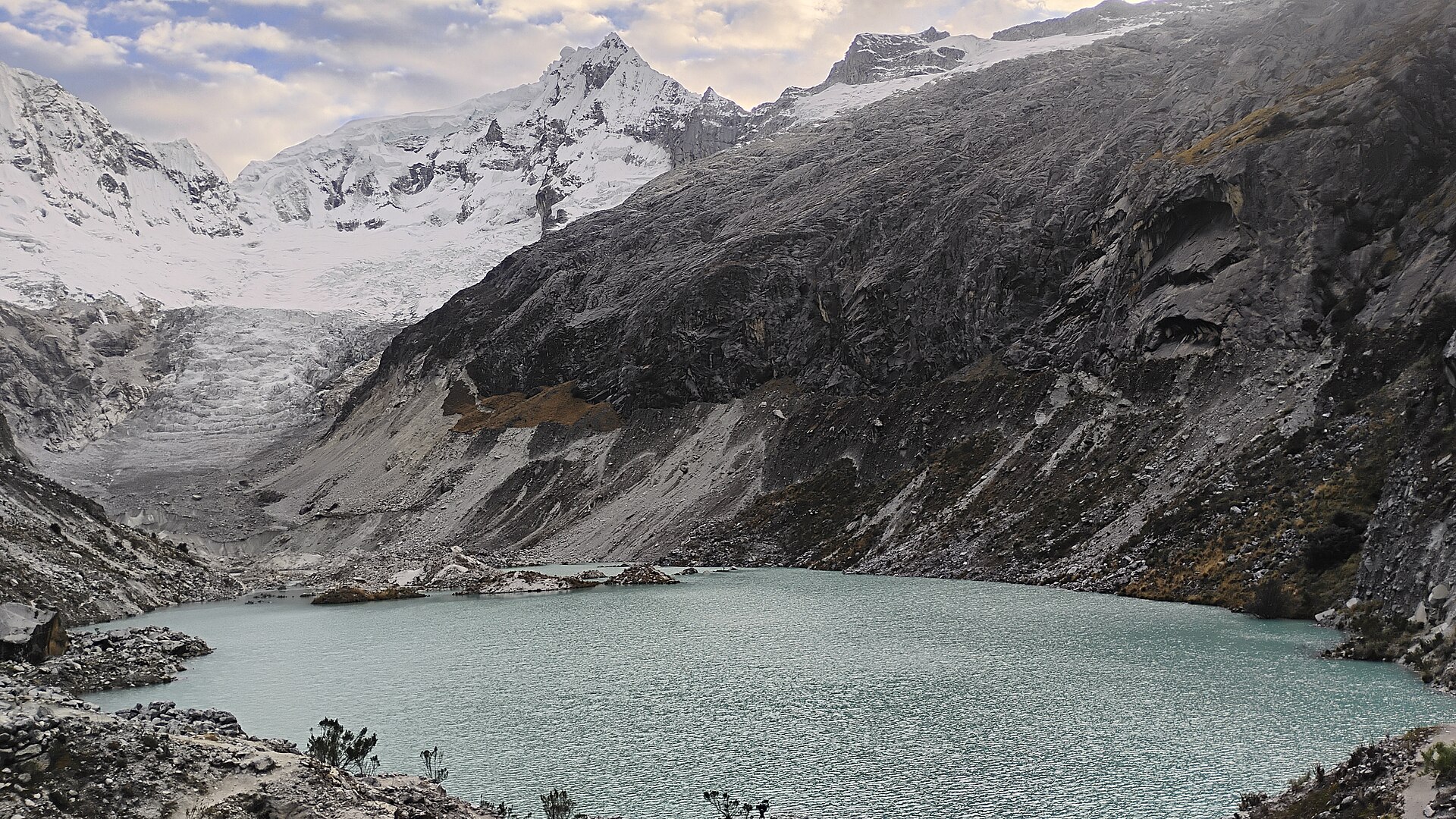
Laguna Llaca is one of those rare places in the Peruvian Andes where nature gathers every shade of blue. The lake sits at nearly four thousand meters above sea level in the Cordillera Blanca, the world’s tallest tropical mountain range. Its waters are so clear that on a still day, the bottom is visible from the shore. The color shifts with the light—pale sky-blue in the morning, deep indigo by afternoon. The surrounding peaks, dusted with snow, reflect on the surface when the wind dies down. The locals call it the mirror of the mountains.
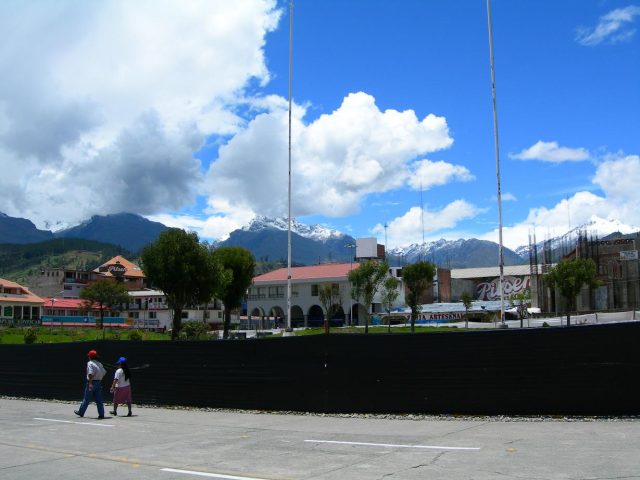
Reaching Llaca starts in Huaraz, the capital of the Ancash region. The road north winds through valleys and over passes, revealing terraced fields where farmers tend to crops and herds of llamas graze. After a couple of hours, the pavement ends. The air grows thinner as the landscape becomes wilder. The last stretch is rough, a narrow track clinging to the mountainside. Every turn brings a new glimpse of the lake, appearing suddenly like a mirage. There’s no sign marking the spot—just the quiet realization that you’ve arrived.
The lake owes its existence to the glaciers of the Cordillera Blanca. These mountains include over twenty peaks exceeding six thousand meters, such as Peru’s highest, Huascarán, which towers nearly seven kilometers above sea level. The glaciers are shrinking. Scientists warn many may vanish within decades. The shores are littered with boulders once carried by ancient ice. The water remains icy even in summer. Locals say the lake has grown over the years, its edges creeping outward as the glaciers retreat.
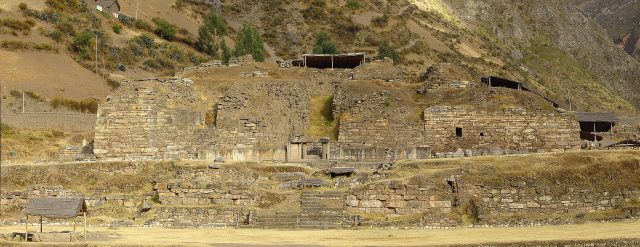
For the Quechua people, Llaca has always been sacred. They believe the lake is home to the apus, the spirits of the mountains. Small offerings—coca leaves, flowers, or coins—are often left by the water. Ancient trails wind through the area, once used by the Inca. Archaeologists have uncovered the remains of stone structures that may have served as lookout points or ceremonial sites.
Time moves differently here. Even those only passing through quickly fall into the same unhurried rhythm.
The rocks around the lake are worn into strange shapes by wind and time. Some resemble castles, others figures carved by an unseen hand. The best view comes from the far shore, where the entire valley unfolds beneath the snow-capped peaks. On sunny days, the water glows from within. In overcast weather, it takes on a moody quality, as if hiding something beneath its surface.
This isn’t a place for loud groups. Sit quietly. Breathe in the thin mountain air. Watch clouds drift across the slopes, their shadows stretching over the water. Occasionally, a condor glides overhead, its cry echoing through the valleys. The silence is broken only by the wind and the murmur of other travelers.
Why do people come? To be alone with something far greater than themselves.
The weather is unpredictable, even in the dry season from May to September. Mornings can be warm and clear, only for fog or rain to roll in by midday. No two visits are the same. Locals recommend coming early, when the air is crisp, or staying until sunset, when the mountains blush with pink and gold. The light changes constantly.
For those who want to stay longer, there are basic campsites along the shore. Sleeping under the stars in the Andes is an experience in itself. Nights are cold. The sky is so clear that the stars feel close enough to touch. Waking up to snow-covered peaks bathed in dawn light is something no hotel can replicate.
Llaca isn’t one of Peru’s most famous destinations. There are no crowds, no souvenir stalls, no guides trying to sell you a tour. It’s a place for those willing to put in the effort to get here. In a world where so many natural wonders have been turned into attractions, Llaca feels different. Some of the most powerful experiences come from what we leave untouched.