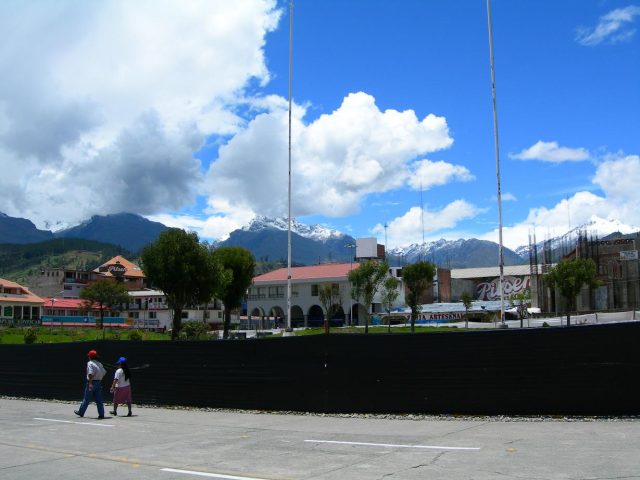
Huaraz sits high in the Peruvian Andes, a city framed by jagged snow-capped peaks where the air carries the weight of centuries. It’s a place where history isn’t confined to books or glass cases but lingers in the very stones of the streets, in the way the light slants across colonial balconies, in the quiet persistence of traditions that predate the Inca Empire. The Museo de la Cultura Regional de Áncash occupies one of those storied buildings—a former mansion that once belonged to a powerful local family. Its thick adobe walls and intricately carved wooden railings speak of a time when wealth was measured in land and influence, when Huaraz was a vital crossroads between the coast and the Amazon. The courtyard, with its murmuring fountain, feels like a pause in time, a space where the past isn’t so much preserved as still alive, waiting to be noticed.
The museum’s collection spans millennia, tracing the layered history of Áncash, a region often called the heart of the Peruvian Andes. The earliest artifacts belong to the Recuay culture, which flourished here long before the Inca rose to power. Their pottery, with its bold geometric patterns, and their stonework, precise and enduring, reveal a society deeply connected to the land. Some pieces depict mythical creatures—half-human, half-animal figures that hint at a worldview where the sacred and the everyday were inseparable. There are also shells from the distant coast, traded at great effort and value, a reminder that even in isolation, these highland communities were part of a wider network of exchange. The objects aren’t just relics; they’re fragments of a way of life that persisted for generations, shaped by the rhythms of agriculture, trade, and ritual.
The Inca period, when Huaraz became part of a vast empire, is represented through everyday items that reveal how deeply the empire’s reach extended into local life. Ceramic vessels for chicha, the fermented corn drink used in ceremonies, sit alongside bronze tools and fragments of quipus—the knotted strings the Inca used for record-keeping. One of the most striking displays is a reconstructed Inca dwelling, its low doorways and sturdy stone walls a testament to the practicality of Andean architecture. The Inca revered these mountains as sacred, and even today, the peaks around Huaraz are treated with a quiet reverence. The museum doesn’t just show artifacts; it offers a glimpse into how people once moved through this landscape, how they understood their place within it.
Colonial rule brought dramatic changes, and the museum doesn’t shy away from that complexity. Spanish religious art—painted altarpieces, silver chalices, and devotional paintings in the Cusco School style—shares space with documents that tell a different story. Yellowed ledgers record taxes paid, disputes settled, and land transactions, revealing the tensions between the new order and the old. The building itself is a product of this era, blending Spanish design with local materials. The thick walls, built to withstand earthquakes, and the wooden balconies, shaded against the high-altitude sun, are a physical record of how two worlds collided and, eventually, coexisted. The museum doesn’t romanticize this period; it presents it as it was—messy, contested, and full of contradictions.
What makes this museum unusual is its refusal to treat history as something frozen in time. The final sections of the exhibit focus on the living culture of Áncash, where traditions aren’t just remembered but actively practiced. Traditional textiles, woven on backstrap looms using techniques passed down for centuries, hang alongside photographs of artisans at work. The patterns—vibrant stripes, intricate motifs—are more than decoration; they’re a language, a way of encoding identity and history into fabric. There are also musical instruments like the quena, a wooden flute with a haunting sound, and the charango, a small guitar-like instrument made from an armadillo shell. These aren’t just curiosities; they’re tools of a culture that continues to evolve, even as it honors its roots.
Huaraz itself is part of the museum’s story. The city sits at over 3,000 meters above sea level, where the air is thin and the pace of life slows to match the altitude. After wandering through the exhibits, visitors can step into the courtyard, where the sound of the fountain blends with the distant clatter of market stalls and the occasional bark of a street dog. It’s easy to imagine the courtyard as it once was—a place where merchants haggled over wool and grain, where women gathered to wash clothes and gossip in Quechua, where the daily business of life unfolded against the backdrop of the Cordillera Blanca. The museum doesn’t try to impress with grandeur; it invites you to sit, to listen, to notice the small details that connect past and present.
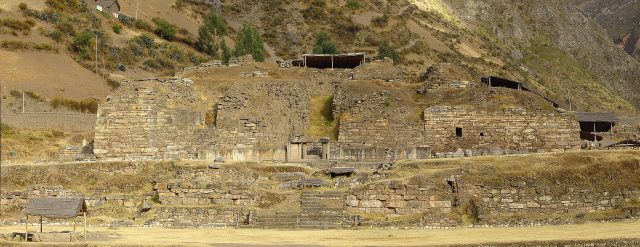
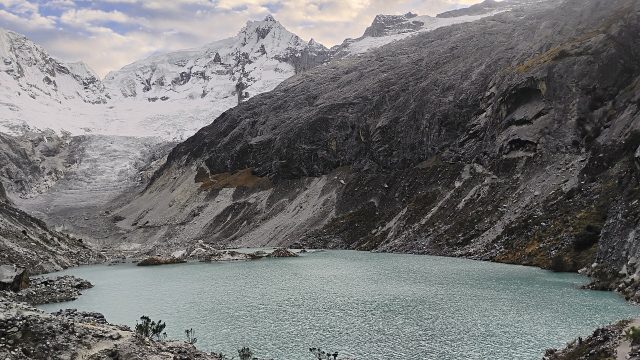
For those who want to explore further, the museum is a natural starting point. The ruins of Chavín de Huántar, a UNESCO World Heritage site, lie a few hours away, where massive stone temples and enigmatic carvings hint at a civilization that thrived here over 3,000 years ago. Closer to Huaraz, the archaeological site of Waullac offers a quieter glimpse into pre-Inca life. But even if you never leave the city, the museum offers a deeper understanding of how geography shapes culture. The mountains that surround Huaraz aren’t just a dramatic backdrop; they’re a force that has both isolated and protected this region, allowing traditions to endure with remarkable continuity. The same peaks that made travel difficult also preserved a way of life that might otherwise have been lost.
What lingers after a visit to the Museo de la Cultura Regional de Áncash isn’t just a collection of facts or dates, but a sense of connection—to the people who once lived here, to the land that sustained them, and to the idea that history isn’t just something that happened long ago. The museum doesn’t claim to have all the answers. Instead, it leaves you with questions: How did the Recuay people interpret the world around them? What did it mean to be part of the Inca Empire, far from its center? How did colonial rule reshape identities, and what survived despite it? These aren’t academic questions; they’re human ones, the kind that arise when you realize that the past isn’t as distant as it seems.
Perhaps that’s why the museum feels less like a repository of artifacts and more like a conversation—one that continues long after you’ve left its walls. The objects on display aren’t just things; they’re evidence of lives lived, of choices made, of resilience in the face of change. In a world that often feels disconnected from its past, the Museo de la Cultura Regional de Áncash offers a quiet reminder that history isn’t just about what we remember, but about what we carry forward. And in a place like Huaraz, where the mountains stand as silent witnesses to centuries of human endeavor, that lesson feels especially resonant.