Reñaca Beach is one of those places where the ocean and the city feel like they’ve always belonged together. It’s not the kind of beach that gets overwhelmed by crowds, even though visitors come here year after year. Instead, it’s a long stretch of sand framed by low cliffs, where families, surfers, and anyone looking for a quiet day by the water gather when the weather is warm. Unlike some of Chile’s wilder beaches, Reñaca is convenient—there are cafés nearby, parking isn’t a hassle, and the waves aren’t so rough that they scare off beginners. Yet it hasn’t lost its local character. This is still a place where Chileans spend their weekends, not just a tourist hotspot.
The history of Reñaca is tied to Viña del Mar’s rise as a coastal retreat. In the early 1900s, this area was on the outskirts of the city, reachable only by horse-drawn carriages. Back then, it was little more than a few fishermen’s huts and the summer villas of wealthy families who were among the first to appreciate the beauty of these shores. As Viña del Mar became a favorite getaway for Chile’s elite, Reñaca became its signature spot. Today, you can still see the grand old mansions along the waterfront—buildings in neoclassical and art nouveau styles that hint at a time when this beach was a privilege for the few.
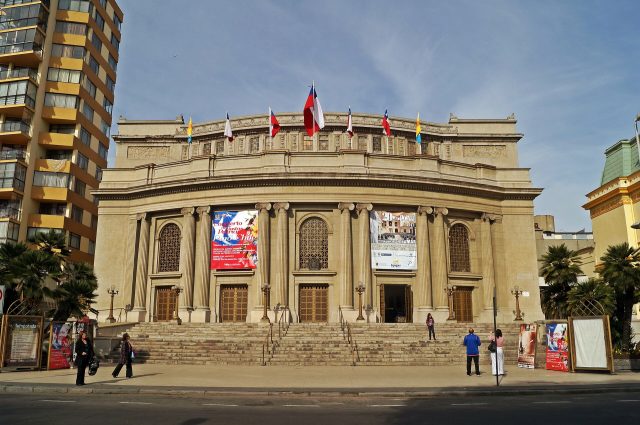
The architecture around Reñaca blends the old with the new. On one side of the promenade, you’ll find elegant early 20th-century buildings, while on the other, modern hotels and restaurants have sprung up without blocking the view of the ocean. The area around Algarrobo Street is particularly charming, with houses featuring carved wooden balconies and wrought-iron railings. These aren’t museum pieces—they’re lived-in spaces, home to cafés, galleries, and small guesthouses. Walking here feels like stepping into a slower pace of life, one that hasn’t been swallowed by the rush of the city center.
The sea at Reñaca isn’t always calm, and that’s part of its appeal. The waves draw surfers, especially beginners, though on stormy days it’s best to stay out of the water. Local surf schools offer lessons, and many visitors come here specifically to learn. Even if you’re not planning to ride the waves, watching surfers from the shore is a pleasure in itself. The sunsets are particularly beautiful, with the sky turning shades of orange and pink as the sun dips below the horizon. In those moments, the beach feels especially peaceful.
The sand at Reñaca is fine and light, almost like something you’d find in the Caribbean, though the water is noticeably cooler. This isn’t the kind of place where you can swim for hours in warm seas, but it’s perfect for a refreshing dip during the summer months. December and January are the busiest times, though even at the height of the season, it never feels as packed as some of the more famous beaches in Brazil or Mexico. Locals arrive early, set up under umbrellas, and spend the whole day alternating between swimming, picnics, and walks along the shore.
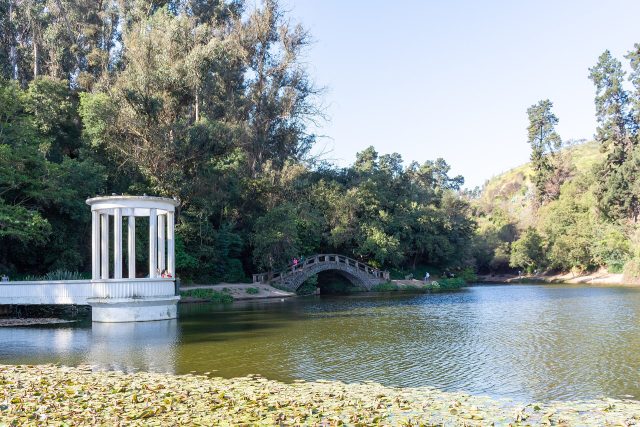
Reñaca isn’t just a beach—it’s part of a larger urban landscape. From here, it’s easy to reach other attractions in Viña del Mar, like the famous casino or the botanical garden, which is within walking distance. But many people prefer to take their time, strolling along the promenade and stopping in small shops that sell local crafts and seafood delicacies. There’s no pushy service here, like you might find in resorts in Turkey or Egypt. Instead, there’s a sense of authenticity, as if you’ve been invited into a place where locals actually live, rather than a polished tourist attraction.
In the off-season, Reñaca changes. The summer bustle gives way to quiet, and the beach becomes a place for long walks and reflection. You might see artists painting seascapes or locals walking their dogs. The ocean feels more dramatic in these months—waves are stronger, the wind sharper, and the sky often overcast. It’s not that the place is any less appealing; it’s just different, more contemplative. For those who prefer traveling outside of peak season, Reñaca reveals another side of itself, one that’s just as compelling.
In winter, the beach is nearly empty, but life around it doesn’t stop. Cafés and restaurants stay open, though with fewer customers, and locals still take their walks along the promenade, enjoying the crisp sea air. This is a great time for thinking— the sound of the waves, the cries of seagulls, and the occasional passerby create a sense of solitude, even though the city center is just a short drive away. For Viña del Mar, Reñaca is more than just a beach. It’s where the city meets the ocean, and that meeting is never quite the same.