Nessebar’s beach is where the town’s past and present meet the sea. Stretching along the eastern edge of the narrow peninsula, it lies just steps away from medieval churches and stone houses that have stood for centuries. The Black Sea here is calm, its waters once a shield and a lifeline for the people of Nessebar. The beach itself is modest—narrow in places, but long enough that even in summer, there’s room to spread out. The sand is fine and golden, mixed with pebbles, and the water warms quickly in the sun, making it inviting by early June.
This isn’t a place for those seeking crowds or high-energy resorts. Instead, it’s for travelers who want to slow down and feel the rhythm of a small coastal town where time moves differently. The beach is simple: no rows of sunbeds or umbrellas, just the occasional chair rented from a seaside café. The shore curves gently, with rocky outcrops where locals and visitors dive into the water. After storms, the sea can turn murky, but on clear days, it’s calm enough to reflect the old windmills and church towers in the distance.
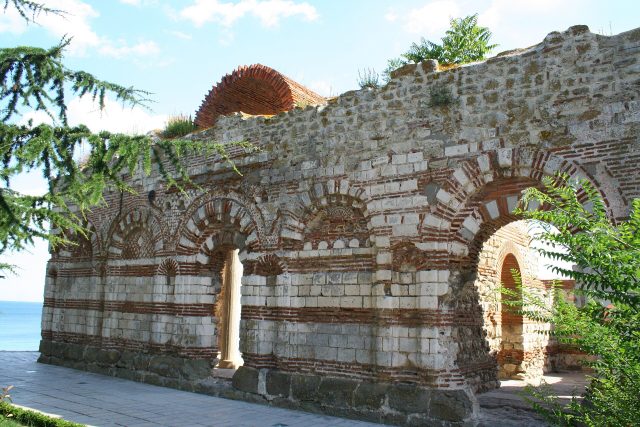
Behind the beach, the old town rises like an open-air museum. Nessebar has been a crossroads for centuries—first as a Thracian settlement, then a Greek trading post, and later a Byzantine stronghold. Its streets are narrow, lined with wooden houses and small shops selling ceramics and sweets. The ruins of ancient walls stand as reminders of the town’s layered history. For generations, the beach was where daily life unfolded: fishermen mended nets, boats were repaired, and the community gathered by the water. Even now, it feels like a place where the town breathes.
In summer, the promenade comes alive with music and the hum of conversation. Families stroll along the shore, and the scent of grilled fish drifts from the cafés. The sea here is gentler than on Bulgaria’s western coast, though occasional waves attract windsurfers. When the water is still, it mirrors the silhouettes of Nessebar’s old buildings, creating a quiet beauty that’s hard to find elsewhere. In the evenings, the beach fills with people watching the sunset, their voices mixing with the sound of church bells in the distance.
Winter transforms the beach into something entirely different. The crowds vanish, and the sea turns gray, its waves rougher and more unpredictable. The promenade empties, save for the occasional local walking their dog or a lone traveler wrapped in a scarf. Frost dusts the railings, and the wind carries the scent of salt and damp wood. It’s a time when the town feels even older, as if the centuries of history settle more heavily on its shoulders. The locals say this is when the sea is at its most beautiful—wild, untamed, and full of stories.
There’s no grand spectacle here, no luxury or fanfare. What makes Nessebar’s beach special is how seamlessly it blends into the life of the town. In the morning, you can swim in the cool water, then walk to a café for fresh yogurt and coffee. By afternoon, the beach might be quiet, with only the sound of waves and the cry of gulls. In the evening, families return, children play in the shallows, and the last light of the day paints the old walls in gold.
This is a place where history isn’t just something you read about—it’s something you feel. The past isn’t confined to museums; it’s in the worn stones underfoot, the salt in the air, and the way the town seems to lean into the sea. Whether you come in summer or winter, the beach offers a quiet kind of magic. It’s not about what you do here, but how the place makes you feel: still, connected, and a little closer to the rhythm of a town that has endured for thousands of years.