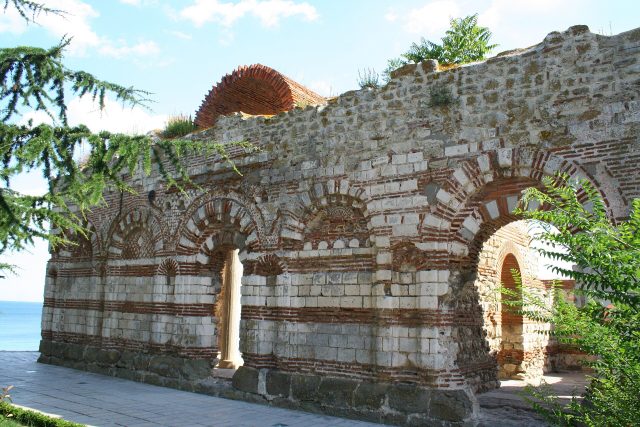
Nessebar is a place where history isn’t locked away behind glass—it seeps through the cobblestones, clings to the walls of ancient churches, and lingers in the salt-tinged air. The Archaeological Museum here isn’t just a building; it’s a gateway into layers of time, where every stone underfoot could be part of a story. Housed in a few rooms near the heart of the old town, the museum’s collection is only a fraction of what lies beneath the surface. Walk through its doors, and you’re stepping into a city where Roman baths, early Christian basilicas, and medieval fortifications aren’t just relics—they’re the foundation of everyday life.
The museum’s exhibits are drawn almost entirely from Nessebar itself and its surroundings. Once known as Mesembria, the city was founded by Greek settlers in the 6th century BCE, and over the centuries, it became a crossroads for Thracians, Romans, Byzantines, Bulgarians, and Ottomans. Each culture left its mark, and the museum does its best to piece together their stories. You’ll find everything from simple clay pots and coins to fragments of mosaics and architectural details, but the real treasures are the artifacts tied to the city’s Greek past. Small statues of gods, funerary steles with inscriptions in ancient Greek—these aren’t just objects; they’re echoes of a world that once thrived here.
One of the most compelling parts of the collection comes from the city’s necropolis. The burial gifts, jewelry, weapons, and ritual vessels on display offer a glimpse into how the people of Mesembria lived—and how they prepared for death. Gold earrings and necklaces from the 4th and 3rd centuries BCE hint at the wealth of some residents, while bronze arrowheads speak of the conflicts that shaped their world. Some items feel almost alive with history, like the clay lamps still darkened by soot, a quiet reminder of how light once flickered in Greek homes.
But the museum doesn’t stop at antiquity. The medieval period, when Nessebar was a key religious and commercial hub of the Second Bulgarian Empire, is just as present in its halls. Fragments of frescoes and icons from long-gone churches tell a story of faith and artistry. Some are barely more than scraps, yet even these remnants carry weight—the face of a saint from a 13th-century icon, for instance, still holds a gaze that feels startlingly human. The craftsmanship is evident, even in pieces that time has worn away.
What makes the museum unusual is how seamlessly it blends past and present. Many of its artifacts were unearthed beneath the foundations of modern buildings, and excavations continue within the city limits. This creates an odd but fascinating tension—history isn’t something preserved in isolation here; it’s still being uncovered, still shaping the town. In one room, you might see a section of mosaic flooring from an early Christian basilica, discovered during the construction of a contemporary structure. It’s a reminder that Nessebar isn’t just an open-air museum; it’s a place where the past is still very much alive, tangled up in the present.
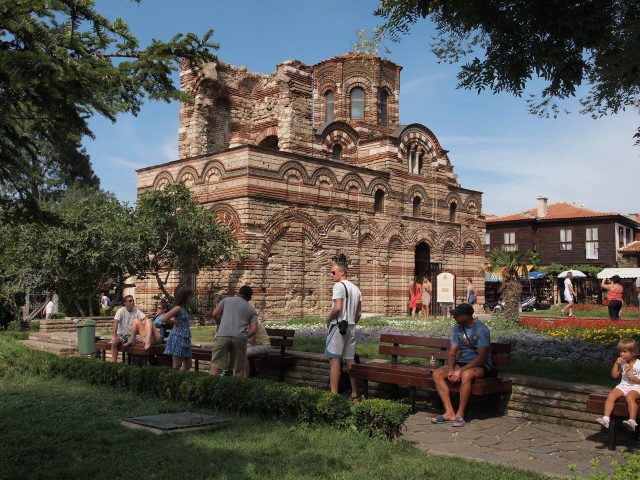
For those who want to dig deeper, the museum offers guided walks through Nessebar’s historic sites. Wandering the old town feels like flipping through the pages of a history book. Narrow streets wind past medieval churches, the remnants of fortress walls, and 19th-century Bulgarian houses with their distinctive wooden upper floors. The Church of St. Stephen, with its 12th- to 14th-century frescoes, is a highlight, as is the Church of Christ Pantocrator, known for its intricate ceramic decorations. These buildings don’t just complement the museum’s exhibits—they bring them to life, offering a sense of how the city looked and felt in different eras.
The Archaeological Museum of Nessebar isn’t just a collection of old things; it’s a way to understand the city’s long, layered past. There’s nothing dry or academic about it. Whether it’s a humble clay jug or a gold ring, each piece carries the weight of the people who once used it—traders haggling in the agora, soldiers defending the walls, worshippers lighting candles in dimly lit churches. The museum doesn’t just show you artifacts; it invites you to see Nessebar not as a tourist attraction, but as a place where history isn’t over. It’s still here, in the stones, in the sea breeze, in the quiet persistence of a town that has seen empires rise and fall.