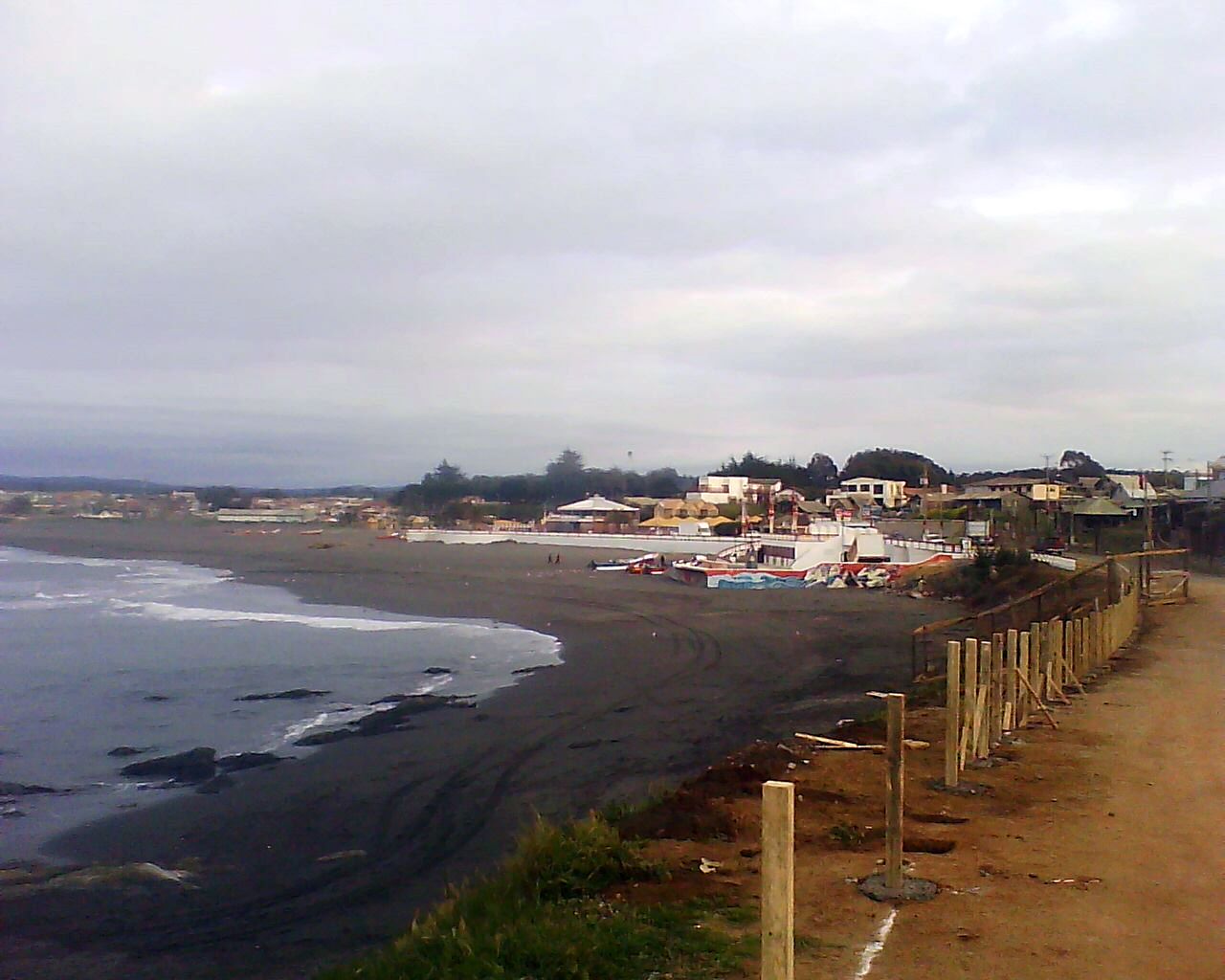
Las Terrazas Beach in Pichilemu is where the ocean meets the land without pretension. There’s no grand luxury here, no crowds of tourists—just open space, quiet, and the sense that time moves a little slower. The beach stretches along the shore in a narrow strip of black sand, coarse underfoot, as if sprinkled with fine volcanic grit. The waves aren’t always gentle; the Pacific along Chile’s coast is rough, with strong currents, so swimming is best on calm days or under the watch of experienced surfers. But that wildness is part of the appeal—the crash of the surf, the salt-laced wind, and the horizon blurring into the sky create an atmosphere where the outside world fades away.
Pichilemu itself is a town with character, shaped by the rhythm of the ocean. It’s nothing like the polished resort towns of Viña del Mar or Valparaíso, where every corner is manicured for visitors. Here, life is simpler: low-slung houses, food stalls along the waterfront serving local delicacies, fishing boats dragged onto the sand, and the scent of fresh ceviche being prepared right in front of you. Las Terrazas isn’t the town’s main beach, but it’s the one that still carries the spirit of old Pichilemu, from a time when people came not for Instagram photos but to be alone with nature. The wooden terraces that give the beach its name were built in the mid-20th century, when locals began shaping the shore for visitors. Some have weathered with time, but that only adds to their charm—they feel like part of the landscape, not a tourist attraction.
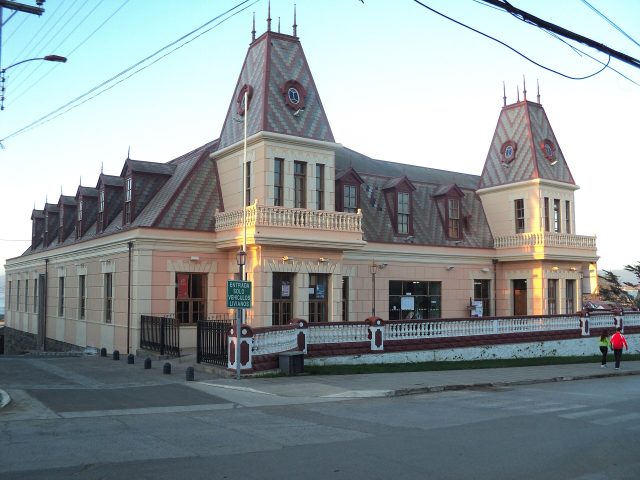
The architecture in Pichilemu is unassuming but memorable. Houses are often built from wood and stone to withstand the damp coastal climate. At Las Terrazas, you’ll find a few old villas that once belonged to wealthy families from Santiago, who escaped the capital’s summer heat and built homes in a style reminiscent of early 20th-century European resorts. Some of these buildings have been converted into small hotels or cafés, but most still stand empty, their paint peeling and shutters rattling in the wind. There’s a quiet beauty in that—it feels like the town has paused in time, and if you listen closely, you might hear the echoes of those who vacationed here decades ago.
The ocean off Pichilemu’s coast is restless. Storms are frequent, and waves can tower several meters high. For surfers, it’s paradise—Las Terrazas and the surrounding beaches are among Chile’s best spots for riding waves. Even if you’re not planning to surf, watching the surfers is a spectacle in itself. They head out early, when the shore is still empty, and it seems like a dance between human and nature. By midday, locals start to appear—some with children, others just sitting on the sand with a thermos of coffee, gazing at the horizon. On weekends, families from nearby towns visit, but you won’t find the crowds of other Chilean resorts. People come here not to impress but to truly unwind.
Pichilemu’s history is tied to the ocean. Once a small fishing village inhabited by the Mapuche, Chile’s Indigenous people, it began attracting visitors in the late 19th century and gradually became a resort town. Even now, as tourism plays a key role in the local economy, Pichilemu hasn’t lost its authenticity. Las Terrazas is one of the few places where you can still feel that continuity. There are no flashy attractions, just the chance to simply be—to sit on the sand, listen to the waves, and watch the sunset paint the sky in shades of orange and violet. In those moments, it’s easy to understand why people keep coming back.
The climate in Pichilemu is mild but unpredictable. Summers, from December to February, are warm but not hot, rarely exceeding twenty-five degrees Celsius. The ocean breeze keeps things comfortable, even on the hottest days. Winters, from June to August, are cooler, though not as rainy as other parts of Chile. The ocean is especially rough then, and watching storms from the shore is a different kind of experience. On those days, Las Terrazas is nearly empty, and you can walk the beach for hours without seeing another soul.
Local cuisine is another reason to visit Pichilemu. It’s simple and delicious—fresh fish, seafood, Chilean empanadas, and, of course, ceviche. Made from raw fish marinated in lime juice with onions, cilantro, and chili, it’s bright, refreshing, and slightly tangy. Along the waterfront, small restaurants serve these dishes at prices lower than in the capital, with quality that’s hard to beat. The seafood, caught just off the coast, is especially good—shrimp, mussels, sea urchins—all served with local wine or pisco, Chile’s national spirit.
Las Terrazas isn’t a place for entertainment or shopping. There are no malls, nightclubs, or tour buses. Instead, it offers a chance to experience the real Chile—a country of rugged coastlines, warm people, and stunning nature. If you’re tired of the hustle and want to be alone with your thoughts, this beach is a perfect choice. You can sit on the sand, listen to the waves, and let your mind wander. Or you can grab a board and try to conquer the ocean, even if just for a little while. Either way, Las Terrazas leaves you with the feeling that you’ve touched something genuine, unpolished, and untouched by mass tourism. That’s why people keep coming back.