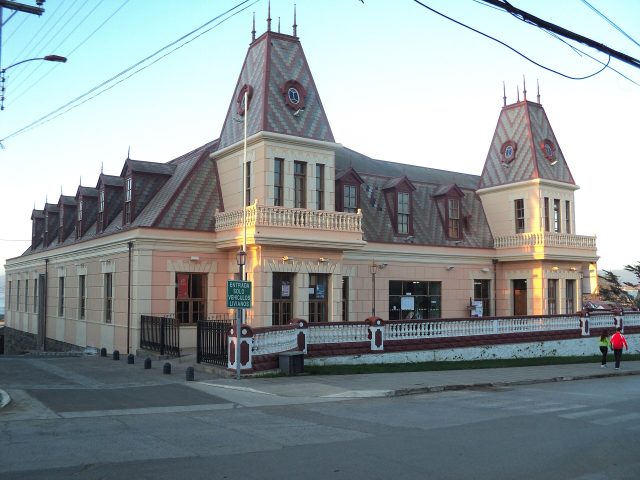
Casa de Agricultura in Pichilemu is one of those rare places that feels suspended in time, even as the world around it moves forward. Built in the early 20th century, when the town was just beginning its transformation from a quiet fishing village into a coastal retreat, the house carries the spirit of an era long past. Its walls have witnessed Pichilemu’s evolution—from the first surfers drawn by the Pacific’s waves to the tourists who now fill its beaches and cafés. The architecture is unassuming yet striking, with wooden balconies, high ceilings, and large windows that flood the rooms with the soft, golden light of Chile’s central coast. There’s a sense of history here, not as something preserved behind glass, but as something that lingers in the air, in the way the floorboards creak underfoot.
Originally, Casa de Agricultura served as the heart of the region’s agricultural life. Back then, Pichilemu was less a resort town and more a working settlement where farming and fishing shaped daily existence. The house functioned as an administrative hub, where land distribution, crop sales, and local support were discussed. Farmers would gather here to negotiate wheat prices, arrange shipments, or simply catch up on news. Today, those days are recalled only in old photographs and documents occasionally displayed inside, but the building itself still feels like a place where decisions were made, where voices once filled the rooms with the weight of practical concerns.
As Pichilemu grew into a tourist destination, Casa de Agricultura lost its original purpose. The town changed—new hotels, restaurants, and surf schools sprang up, and the old house faded into the background. For a while, it stood neglected, a relic of a time when Pichilemu’s identity was tied to the land rather than the waves. But the town didn’t let it disappear. In recent decades, the building was restored and repurposed as a cultural center, hosting exhibitions, concerts, and lectures. Now, it serves as a quiet reminder of the town’s roots, a bridge between the Pichilemu of the past and the one visitors see today.
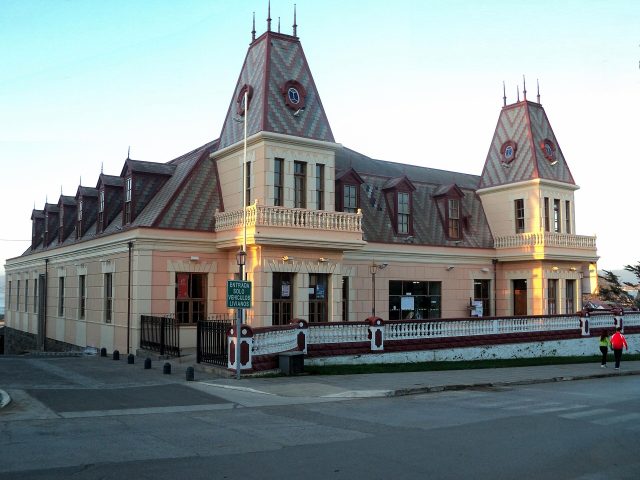
The architecture of Casa de Agricultura reflects the coastal style of early 20th-century Chile. Wood was the primary building material then, and the house’s design blends practicality with subtle European influences. The carved balcony railings, tall windows that let in the sea breeze, and spacious verandas create a sense of warmth and openness. There’s nothing grand about it, but that’s part of its charm. The simplicity feels honest, a quality that appeals to those who prefer authenticity over spectacle.
These days, the house is more than just a historical landmark—it’s a living space where locals and visitors intersect. Exhibitions by regional artists, workshops on traditional crafts, and small concerts often take place here. On weekends, the building hums with activity, though not in the way tourist hotspots do. People come not just for the events but to linger on the veranda with a coffee, watching the town go by. The atmosphere is unhurried, a contrast to the energy of the nearby beaches. It’s a place for those who want to experience Pichilemu beyond its surf breaks and sunsets.
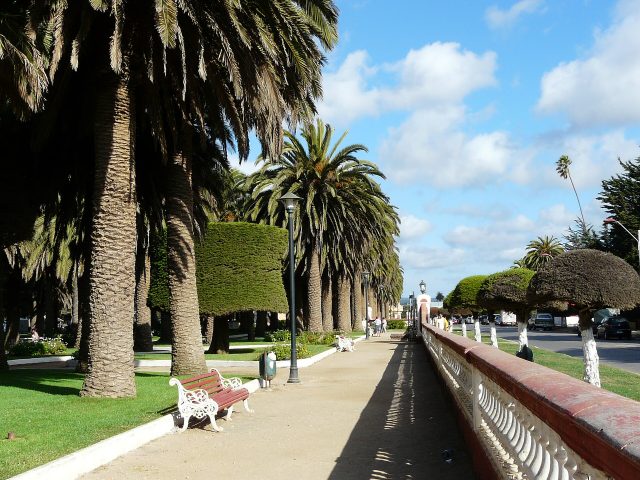
Pichilemu itself is a town of contrasts. On one hand, it’s a bustling resort with world-class waves and a steady stream of visitors. On the other, it’s a small community where life moves at a slower pace, where neighbors know each other by name, and where evenings are spent chatting on the waterfront. Casa de Agricultura sits at the intersection of these two worlds. It’s a reminder that Pichilemu wasn’t always a tourist destination, that beneath its modern facade lies a history of labor, adaptation, and quiet resilience.
For anyone curious about Chile’s past, the house offers a small but meaningful glimpse into how the region developed. It tells the story of a town that shifted from agriculture to tourism, of people who adjusted to changing times. Yet Casa de Agricultura isn’t a museum in the traditional sense. There are no guided tours or plaques explaining every detail. Instead, history here is something you feel—the way the wooden floors groan underfoot, the scent of aged timber, the way sunlight slants through the windows at different times of day.
If you find yourself in Pichilemu, it’s worth stopping by, even if just for a few minutes. The building doesn’t demand attention, but it rewards those who take the time to notice. In the evening, when the sun dips below the ocean and the streetlights flicker on, Casa de Agricultura takes on a particularly evocative quality. It’s the kind of place that doesn’t reveal itself all at once but leaves a lasting impression, a quiet testament to the layers of time that shape a town.