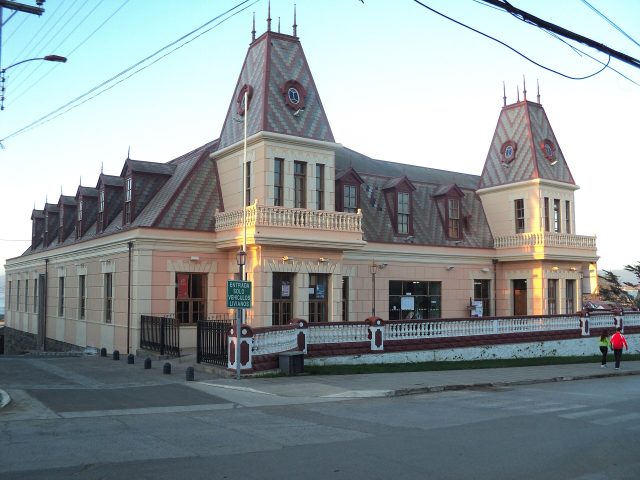
Perched on a gentle hill in the heart of Pichilemu, the Church of San Antonio de Padua feels like it has always been here, though its history is relatively short. Built in the early 1900s, it overlooks the town with quiet dignity, a silent observer of the changes that have swept through this coastal corner of Chile. Pichilemu is best known for its long sandy beaches and world-class surf breaks, a place where the rhythm of life is dictated by the ocean’s moods. Yet amid the low-slung houses and swaying palms, this modest church tells a story of transformation—from a sleepy fishing village to a beloved seaside retreat.
The architecture is unassuming, reflecting the practical spirit of many Chilean churches from that era. Whitewashed wooden walls, a simple gabled roof, and a small bell tower give the building a humble charm. Wood was a natural choice for this coastal region, where humidity and earthquakes are part of daily life. It’s lighter than stone, more resilient to tremors, and easier to maintain. Inside, the church is just as understated—wooden pews, a plain altar, and a few stained-glass windows that filter soft, colored light onto the floor. There’s no grandeur here, just a sense of quiet warmth.
The church’s history is intertwined with Pichilemu’s own evolution. By the late 19th century, the town had begun to attract visitors, not just fishermen but also well-to-do families from Santiago seeking refuge from the city’s heat. For them, the lack of a proper church was a noticeable absence. In 1912, local residents and authorities came together to build San Antonio de Padua, a place of worship that also marked Pichilemu’s growing identity. No longer just a seasonal fishing outpost, the town was becoming a community with roots.
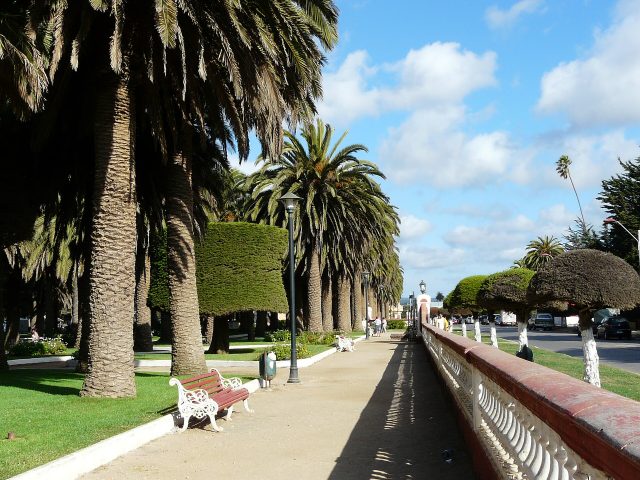
Today, the church remains an active part of life in Pichilemu. On Sundays, services draw both locals and visitors, while weekdays are usually quiet, offering a peaceful spot to sit and reflect. The small square around the church is a favorite gathering place for families, where children play and adults chat under the shade of trees. There are no flashy attractions or tourist traps here—just the simple pleasure of a place where time slows down. The distant sound of waves and the rustle of palm leaves create a backdrop that feels timeless.
Unlike Chile’s more famous landmarks, San Antonio de Padua isn’t overrun with visitors or commercialized. It hasn’t been turned into a museum or surrounded by souvenir stalls. Instead, it retains the quiet authenticity of Pichilemu itself—a town that welcomes outsiders without losing its laid-back character. For surfers and beachgoers, the church might come as a surprise, a reminder that behind the sun, sand, and surf lies a history, however modest. There are no grand cathedrals or ancient ruins here, just the quiet presence of a place that has witnessed a century of change.
The best time to visit is in the late afternoon, when the sun dips toward the horizon. From the church’s hilltop perch, the view stretches across the town and out to the ocean, where waves crash against the shore. It’s a scene that captures the essence of Pichilemu—not a place of dramatic sights, but one that offers something deeper: a sense of calm. The church, with its unpretentious beauty, is one of those rare spots where that feeling is impossible to miss. It doesn’t demand attention; it simply exists, as much a part of the landscape as the sand, the sea, and the slow, steady pulse of life by the shore.