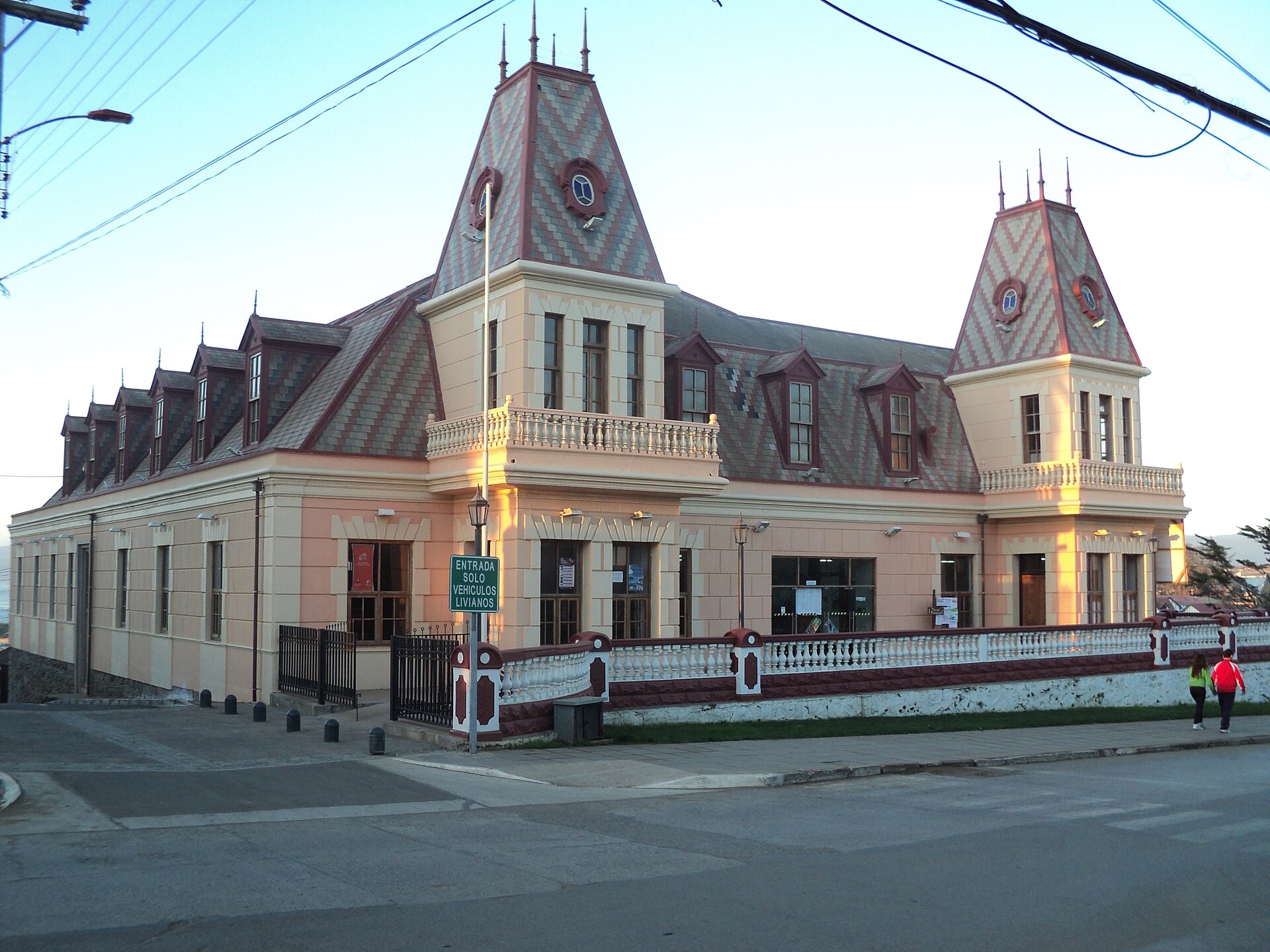
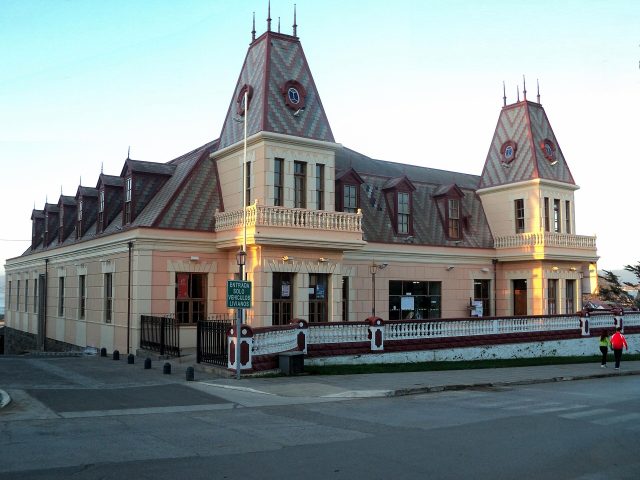
The Agustín Ross Cultural Center in Pichilemu is one of those rare places where the past doesn’t just linger—it breathes. Built in the early 1900s, the building itself tells the story of a town caught between two worlds. Back then, Pichilemu was shedding its skin as a quiet fishing village and stepping into its future as a coastal retreat. Agustín Ross, a Chilean businessman and politician, didn’t just commission this house; he envisioned it as a statement, a bridge between the old way of life and the promise of something new. The mansion wasn’t just a home for his family—it was a gamble on the town’s potential, a physical embodiment of the changes sweeping through the region.
The architecture is a quiet dialogue between European influences and local craftsmanship. High ceilings and sturdy wooden beams give the rooms an airy feel, while large windows flood the space with light, softening the weight of history. The façade is adorned with intricate carvings, a nod to the skilled artisans of the area, and inside, the original details still hold their ground—ornate moldings, antique chandeliers, and parquet floors that creak underfoot. Walking through the halls, it’s easy to forget how much time has passed. The building feels suspended in its own era, as if the years have left it untouched, or at least kinder than they might have.
Like many grand houses of its time, the mansion had its share of reinventions. After Ross’s death, it served as a hotel, then an administrative office, and for a while, it stood empty, a relic of a chapter the town seemed eager to forget. Pichilemu was growing, its identity shifting with each new wave of visitors, and the old stories faded into the background. Restoring the building and turning it into a cultural center wasn’t just about preserving a landmark—it was an act of reclaiming the town’s memory. Today, the space hums with life again, hosting exhibitions, concerts, lectures, and workshops that draw both locals and travelers.
But the center is more than just a venue for events. It’s a living archive of Pichilemu’s many faces. The galleries often feature works by local artists, vintage photographs of the town in its early days, and everyday objects that once belonged to fishermen and farmers. Some nights, the halls fill with the sounds of folk music festivals or the murmur of a documentary screening about life along the coast. For many in Pichilemu, the center has become a gathering place, somewhere to learn, to reminisce, or simply to sit and talk over a cup of coffee.
For younger generations, the center offers a different kind of education. School groups visit for guided tours, creative workshops, and talks about the town’s history. It’s often the first time they hear about Pichilemu as something more than a surfing hotspot or a weekend getaway. The stories here—of the families who built the town, the struggles and triumphs of its early days—help them see their home in a new light. The center doesn’t just teach history; it makes it feel personal, like something worth holding onto.
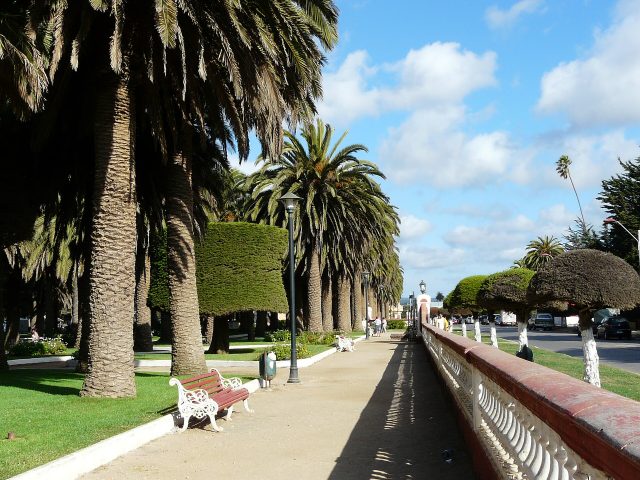
The building sits in a quiet part of town, where the old Pichilemu still lingers. The streets are narrow, the houses modest, and the ocean is never far away, its presence announced by the salt in the air and the constant rustle of the wind. Visitors often pair a trip to the center with a walk along the waterfront or a stop at one of the nearby beaches. There’s something about the place that invites you to slow down, to step out of the rush of modern life and into a rhythm that feels older, more deliberate.
Unlike traditional museums, the Agustín Ross Cultural Center doesn’t feel like a place of rules and restrictions. There are no stern signs or rigid tour schedules. The space is open, welcoming anyone who wants to wander the halls, sit in silence, or enjoy a quiet moment in the courtyard. In the summer, it’s especially lively—tourists duck in to escape the midday heat, while locals gather for evening concerts. The atmosphere is unpretentious, the kind of place where you might strike up a conversation with a stranger or lose track of time flipping through an old photo album.
Pichilemu moves to the beat of the ocean. The tides dictate the pace here, the rise and fall of the waves setting the tempo for daily life. The cultural center has become part of that rhythm, a place where time doesn’t so much stand still as it does move differently. It’s a reminder that even in a world that changes quickly, some things endure—stories, memories, the quiet determination of people to keep their past alive. For those who come to Pichilemu looking for more than just sun and sea, the center offers a chance to touch the soul of the town, to understand what makes it more than just another coastal destination. It’s a place where the past isn’t just remembered; it’s still very much alive.