Pichilemu sits on Chile’s central coast, where the Pacific doesn’t just meet the land—it dictates the hours of the day. For generations, its windswept beaches have pulled in surfers, travelers, and anyone tired of city noise. The waves aren’t just for riding; they’re the pulse of the town, turning a former fishing village into a place where the ocean feels like family.
The surf took over
In the mid-20th century, the first surfers arrived, drawn by the reliable swells. Before that, Pichilemu was a handful of wooden houses where fishermen worked with the tides—hauling nets at dawn, repairing them by afternoon. Locals watched as outsiders started showing up with boards, turning their quiet coast into a gathering spot. Now, surfing is part of daily life. Competitions draw crowds, schools teach beginners, and a few local riders are known by anyone who’s paddled out.
The beach changes as you walk it
Near the town center, the sand is soft and golden, the waves gentle enough for beginners but strong enough to matter. This is where most people gather, especially in summer. Further south, the shore grows wilder—rocks replace sand, and the ocean feels bigger. Experienced surfers come here for bigger swells and solitude. To the north, small coves tucked under low hills offer calmer water, sheltered from the wind. Families often settle here, kids playing in the shallows while parents sit in the sun.
Buildings blend in
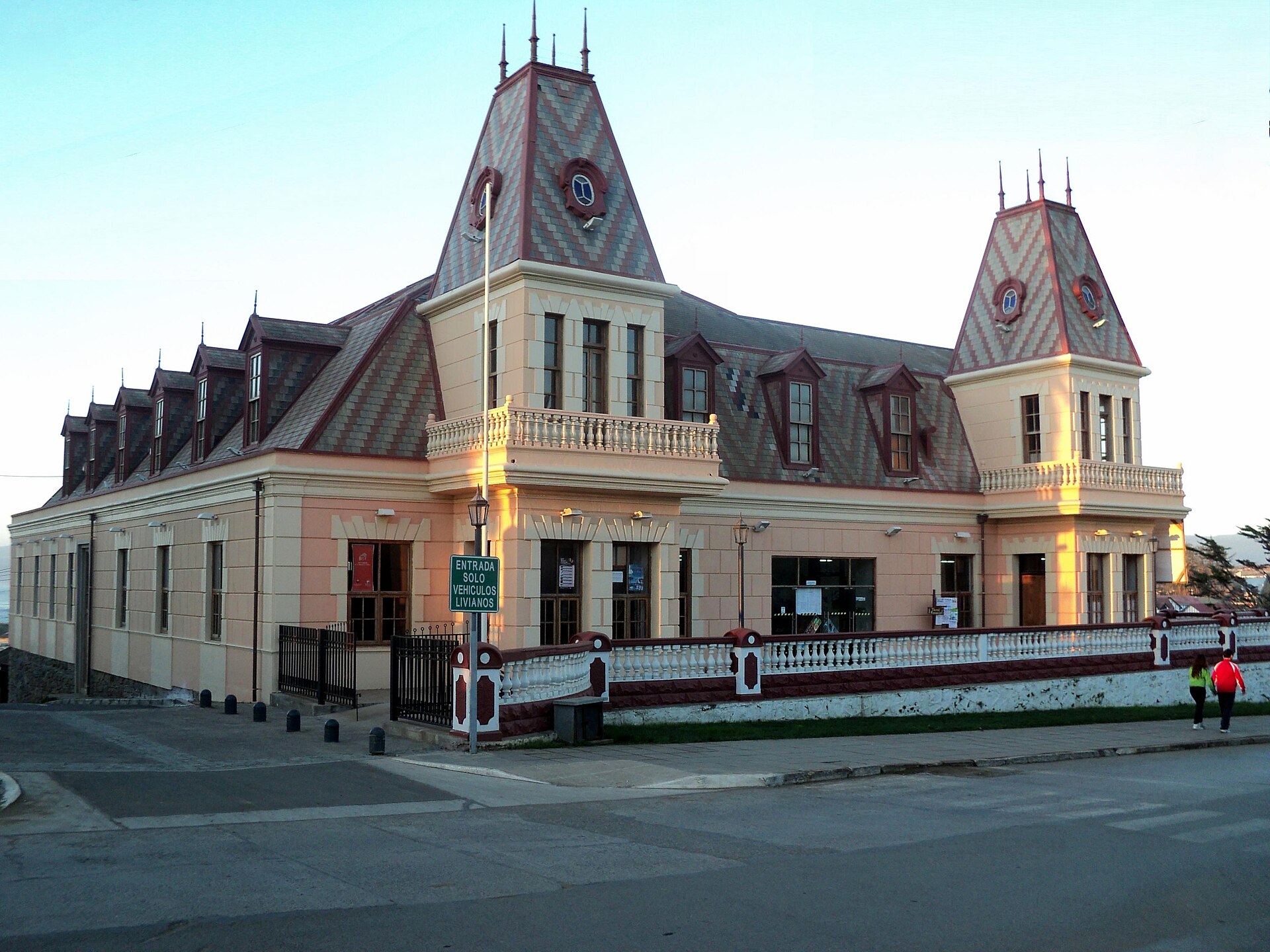
Most structures are low, made of wood and stone with red-tiled roofs that match the earth and sea. Many homes still have wide verandas and large windows, built to catch the breeze. In the center, a few old mansions from the early 1900s show Pichilemu’s past as a retreat for wealthy Chileans escaping Santiago’s heat. Some now hold small hotels, cafes, or museums, their high ceilings and creaky floors hinting at earlier times.
The day starts with waves and gulls.
Fishermen push boats into the water before sunrise, returning by midday to sell their catch from the sand or roadside stalls. By afternoon, the town wakes up—surfers head to the water, children dig in the sand, and visitors wander the seafront, stopping at shops selling handmade jewelry or fresh empanadas. As evening falls, the ocean turns gold, and bonfires light up the shore. People gather to grill fish, listen to music, or just watch the waves.
Beyond the beach
The hills around Pichilemu are covered in eucalyptus forests, with trails leading to viewpoints over the Pacific. Nearby, small villages feel untouched by time. Some families still farm, growing grapes for wine pressed in rustic bodegas. Thermal springs offer warm mineral waters for those who want to relax. The area feels like two places at once—wild ocean and gentle hills.
The climate stays mild year-round, cooled by the ocean. Summers rarely exceed 25°C, winters stay soft. Even in the hottest months, a breeze keeps the air comfortable. Winter brings rougher seas, drawing surfers who want bigger waves. December to March is the best time to visit, but the town doesn’t empty in the off-season. Some travelers prefer the quieter months, when the ocean’s power is on full display.
Pichilemu doesn’t try to impress. There are no high-rises, no crowded boardwalks, no pressure to do anything but be here. The ocean sets the rhythm, its presence constant. Time moves with the waves, the wind, the light. Whether you come for surfing, silence, or a break from routine, the town meets you as you are. It doesn’t promise much—just the certainty that the ocean will still be there tomorrow.