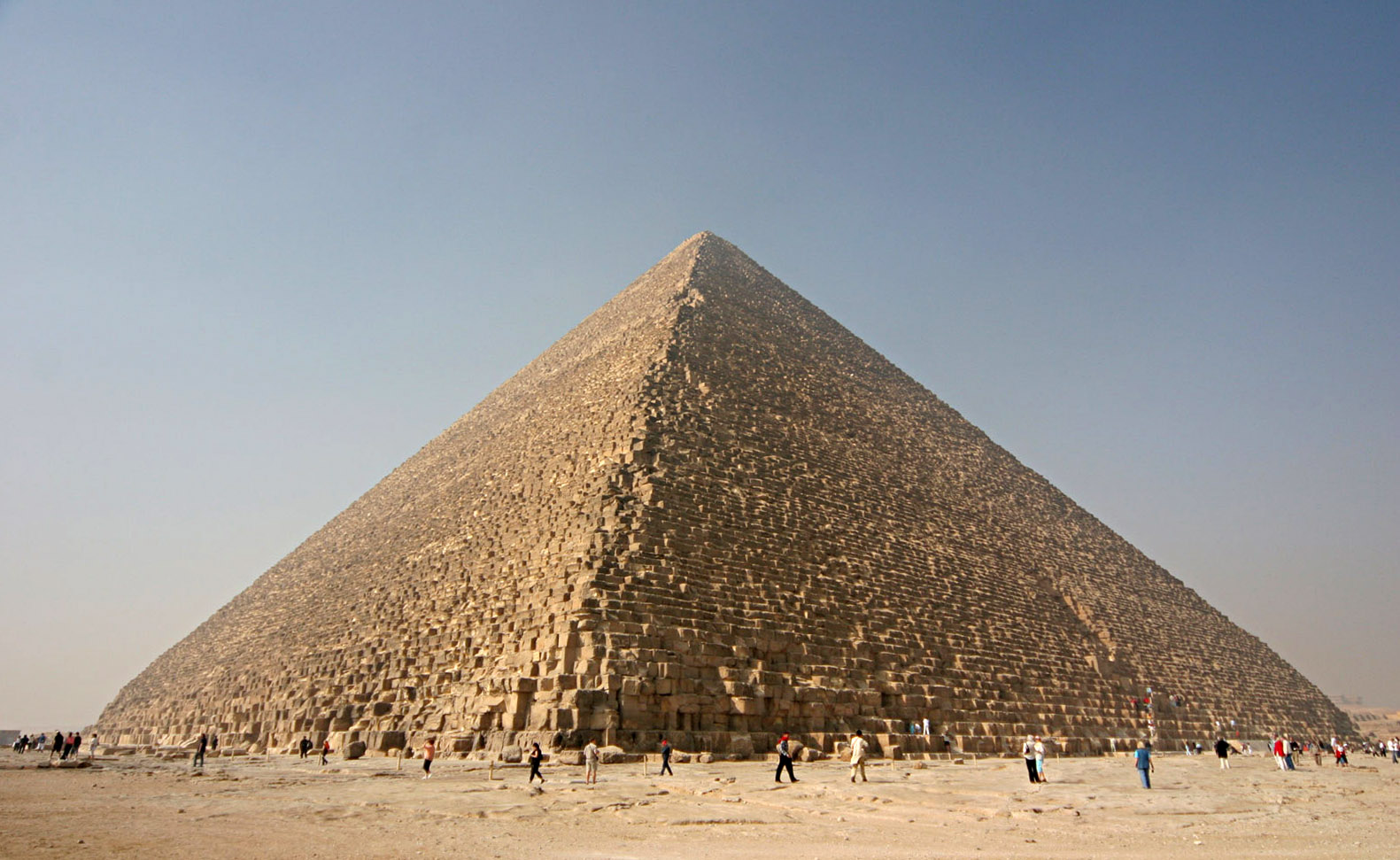
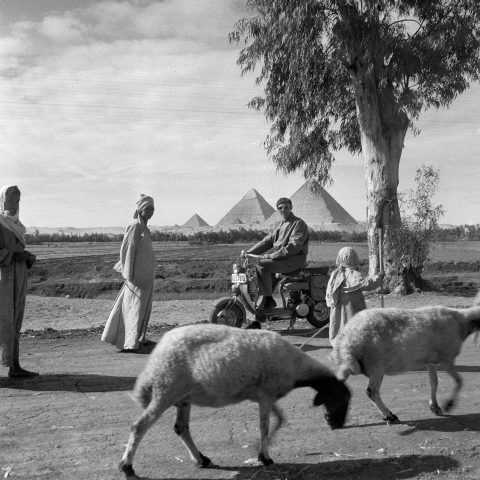
Stand at the edge of the Giza Plateau, and you’ll see it—a structure so vast it rewrites what you thought possible. Built over 4,500 years ago, the Great Pyramid still stands, its purpose and methods debated. How did people without cranes or computers move millions of stone blocks into place? The answer isn’t clear, but the result is: a monument that outlasted empires, religions, and languages.
The pyramid rises outside Cairo, its geometry unbroken by time. Its sides slope at fifty-one degrees, a shape that hasn’t shifted despite earthquakes and erosion. Originally, polished white limestone covered the surface, reflecting sunlight so brightly it could be seen from the Nile. Most of that casing is gone now, stripped away for building material centuries ago. Yet even in its worn state, the pyramid holds its ground. It once reached 146 meters, though wind and sand have shaved a few meters from its height. For nearly 4,000 years, it was the tallest structure on Earth.
Inside, the air is thick with silence. Passages narrow as you descend, leading to three chambers. The King’s Chamber, lined with granite, was meant for Pharaoh Khufu’s sarcophagus—empty when discovered. The pyramid wasn’t just a tomb. It was a machine for the afterlife, designed to launch the pharaoh’s soul toward the stars. Some shafts align with Orion’s Belt; others point to the North Star. Scholars argue over their purpose, but the precision is undeniable.
How was it built? Estimates say twenty to thirty years, with tens of thousands of workers. For generations, people assumed slaves dragged the stones. Not true. Excavations near Giza reveal workers’ villages with bakeries, hospitals, and breweries. They ate bread, fish, and beer—paid in food and shelter during the Nile’s flood season, when fields lay fallow. These weren’t forced laborers; they were skilled craftsmen, proud of their work.
The pyramid is wrapped in stories. The most famous—the pharaoh’s curse—has no evidence. Yet it persists, because the pyramid itself feels like a warning. Greek historians marveled at it. Arab conquerors tunneled inside, searching for gold. Today, it draws millions each year, all asking the same question: How?
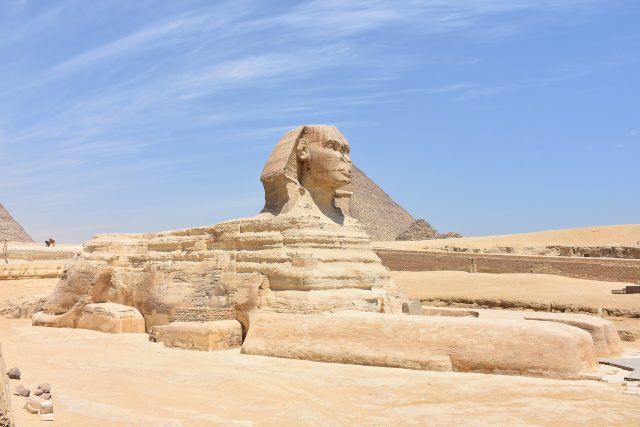
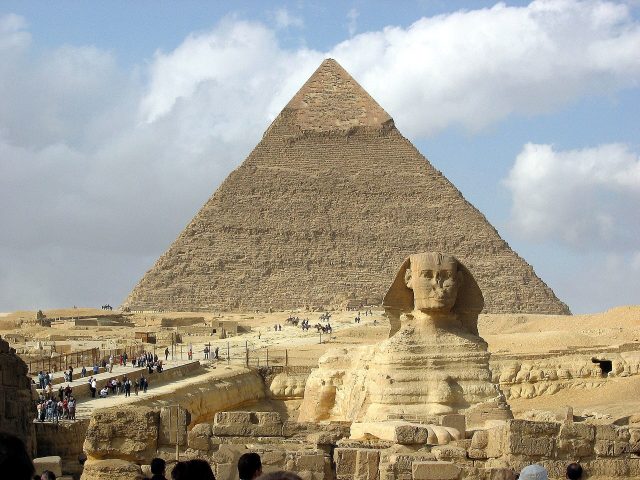
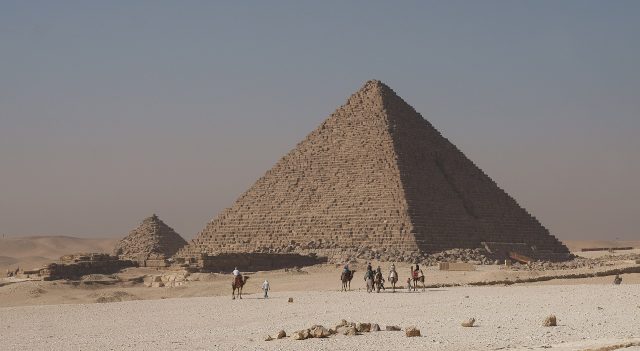
The Giza Plateau holds more than one wonder. Nearby, the pyramids of Khafre and Menkaure stand guard. The Great Sphinx crouches beside them, its lion’s body carved from bedrock, its human face eroded by time. No one knows when it was built or why its nose is missing. Some blame Napoleon’s troops, but drawings from the 1700s show it already damaged. The truth is lost, but the mystery remains.
You don’t visit the Great Pyramid. You stand before it, and it stands back, indifferent to your awe. It doesn’t explain itself. It doesn’t need to. The stones are enough.