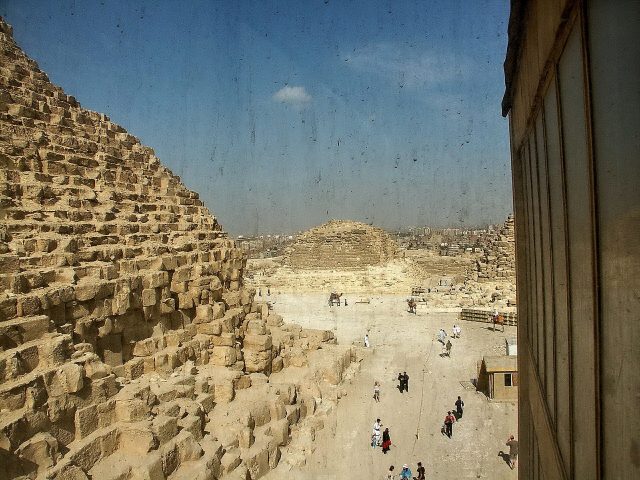
The Pyramids of Giza rise from the desert just beyond Cairo, silent witnesses to nearly five thousand years of history. Their massive forms dominate the landscape, built without modern machinery using blocks that weigh several tons each. The precision of their construction remains astonishing—edges still align after millennia, despite wind and sand.
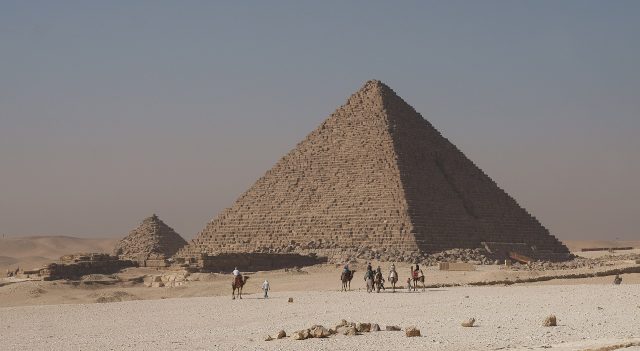
The complex contains three main pyramids, each serving as a tomb for a Fourth Dynasty pharaoh. Khufu’s Great Pyramid once stood as the tallest man-made structure in the world at 146 meters before erosion reduced its height. Inside, narrow passageways lead to chambers that have intrigued explorers for centuries, though access remains restricted. Khafre’s pyramid appears taller due to its higher base, while Menkaure’s smaller pyramid reflects shifting priorities of later rulers.
How were they built? The Great Pyramid alone required 2.5 million stone blocks, each cut and placed with remarkable accuracy. Theories abound—ramps, lost technologies—but no definitive answer exists. What remains clear is the scale of the effort: thousands of workers, decades of labor, and an organizational system far ahead of its time. These were not just tombs but declarations of power, designed to secure the pharaoh’s journey into the afterlife.
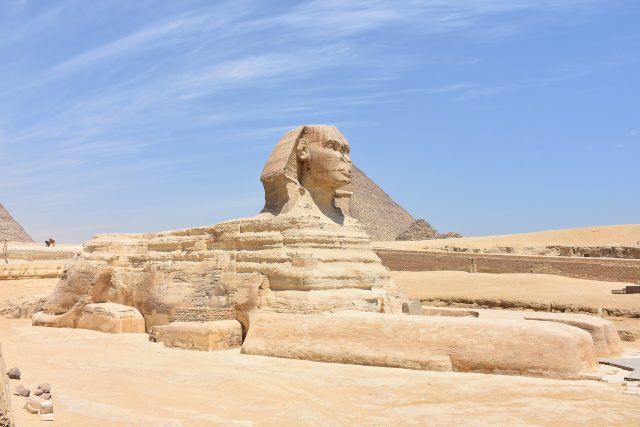
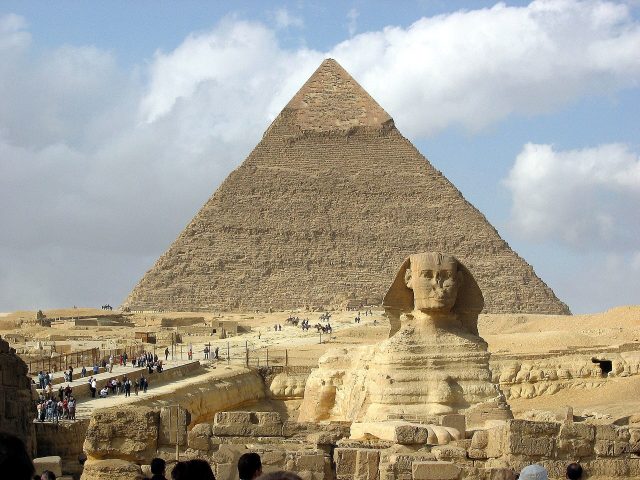
The Great Sphinx crouches nearby, carved from a single limestone outcrop with a lion’s body and human face. Most Egyptologists believe it represents Khafre, though time has eroded its features and removed its nose. Legends persist—hidden chambers beneath its paws, secret tunnels—but excavations continue without conclusive answers. Standing before it in the early morning quiet, you might feel its gaze, as if it guards more than just stone.
The pyramids connect eras. Medieval travelers marveled at them as a Wonder of the World. Renaissance scholars debated their origins. Today, they draw archaeologists and travelers alike, all seeking a link to the past. The site offers enough to fill a day: exploring nobles’ tombs, watching the desert glow at sunset, or listening to stories of curses and lost treasures.
The surrounding necropolis reveals more. Mastabas—flat-roofed tombs of officials and priests—show glimpses of life beyond the pharaohs. Some, like Ti’s tomb, feature vivid murals of farming, hunting, and daily rituals, a reminder of the society that built these monuments.
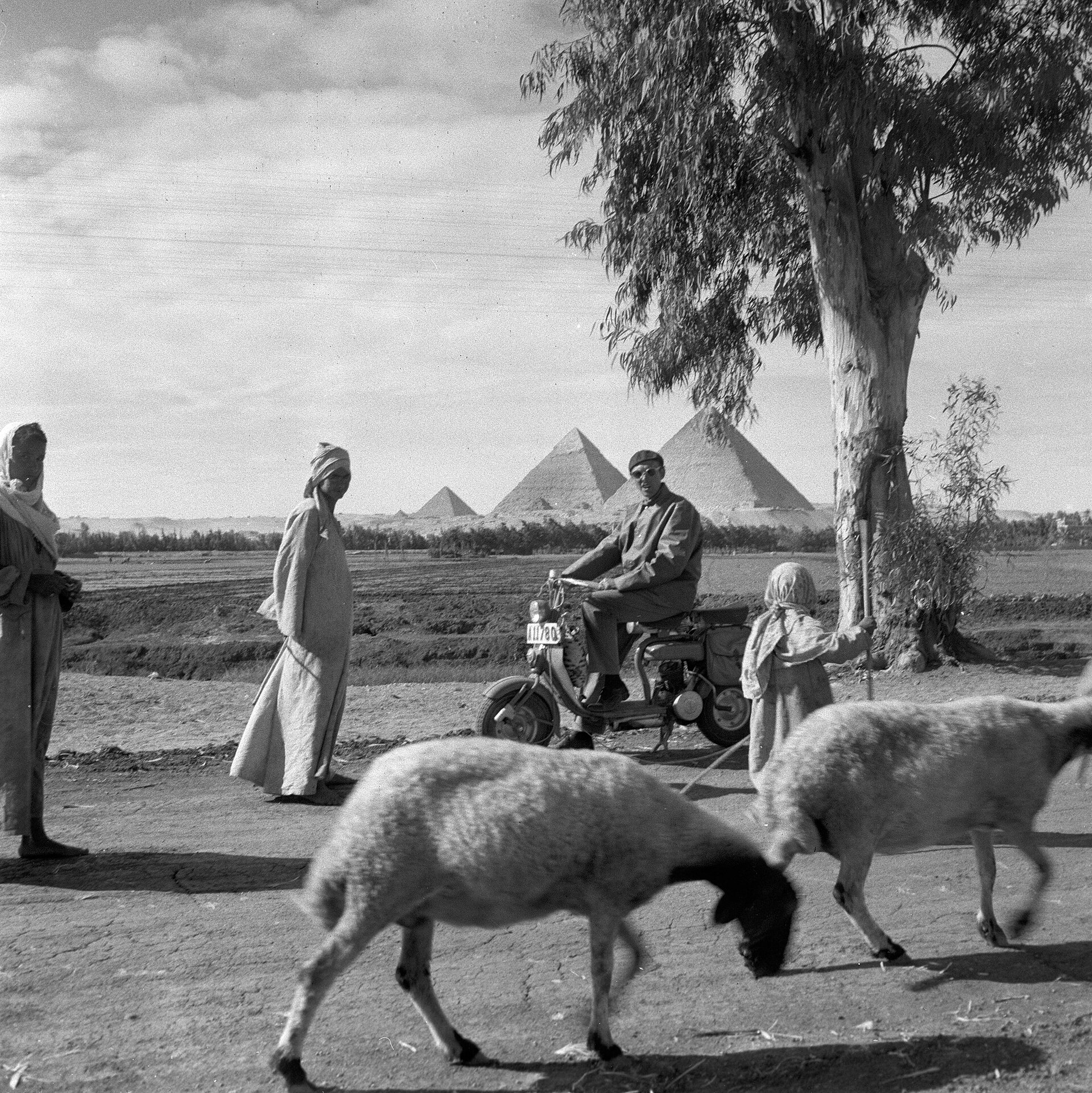
Visiting Giza is as much about the present as the past. Vendors sell trinkets. Tourists bargain for camel rides. Cairo’s traffic hums in the distance. The contrast is striking: one moment, you stand beside a structure older than the wheel; the next, you’re surrounded by modern noise. Early mornings or late afternoons are best—crowds thin, and the light softens, casting long shadows across the sand. At night, the pyramids glow against the dark desert sky, their outlines almost surreal.
Standing at the base of the Great Pyramid, you feel small—not just against the stones, but against time. These structures have outlasted empires, religions, and civilizations. They were built to endure, and they have. Yet they also feel intimate: the rough limestone, the play of light on the blocks, the silence when crowds disperse. It’s as if they’re sharing a secret, one that’s waited thousands of years to be heard.
Why do people come? Some seek history, others architecture. Many simply want to feel part of something greater. The pyramids don’t surrender their secrets easily, and that’s why they endure. They remind us that history isn’t just a record—it’s alive, shaped by those who built it, studied it, and stood in its shadow, wondering.