Piazza Trinità in Tivoli is one of those places that doesn’t reveal itself at first glance but lingers in your memory long after you’ve left. Tucked away in the heart of the old town, where the streets narrow and the buildings seem to lean toward each other, the square feels like a quiet corner of another era. Unlike the crowds at Villa d’Este or the bustle of Rome, this little piazza moves to its own unhurried rhythm. Locals sip coffee under the shade of plane trees, children play near the fountain, and elderly men chat on benches as if time itself has slowed down. There’s no grand spectacle here—just the easy, unassuming charm of a town that refuses to rush.
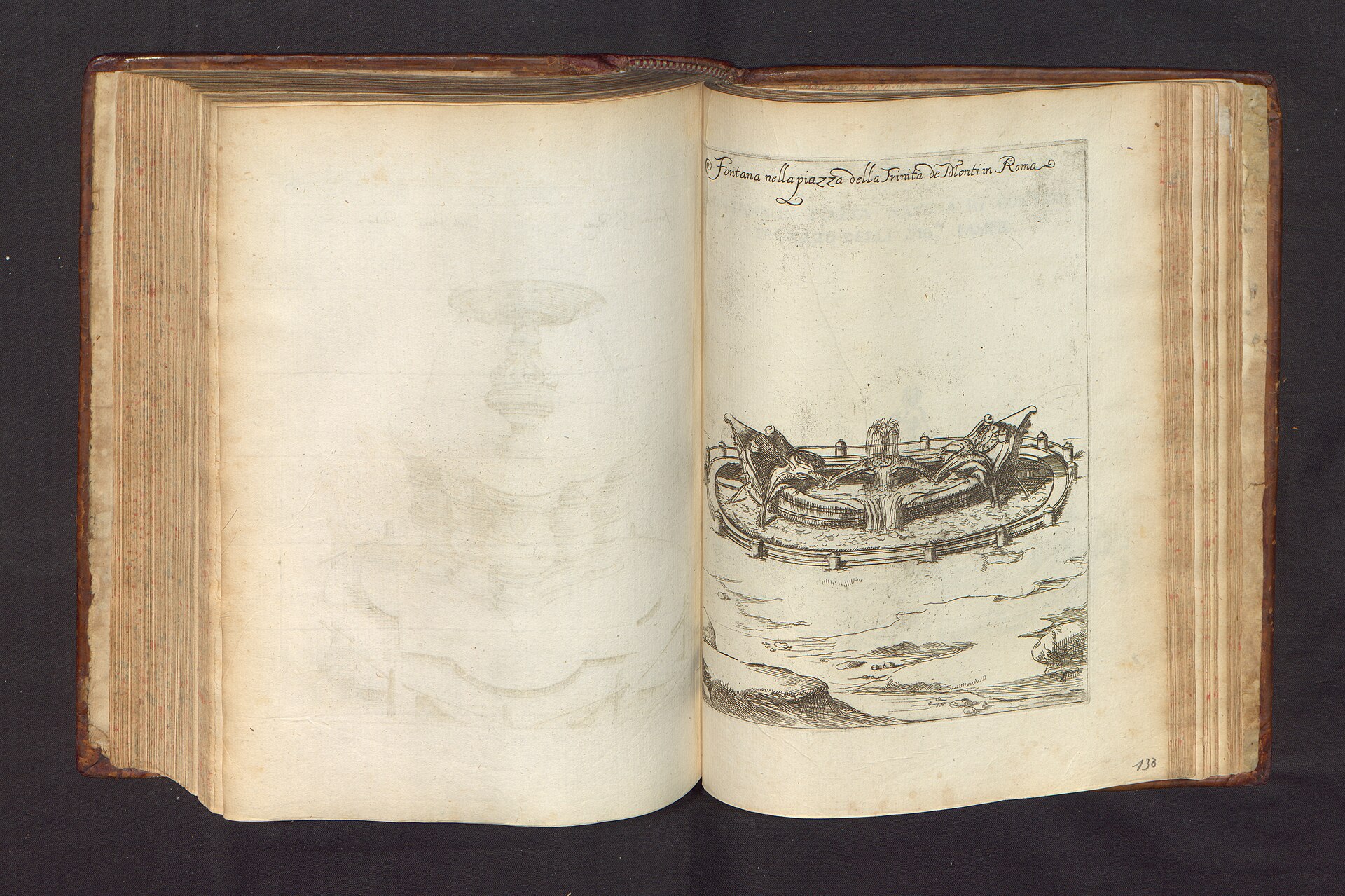
The architecture of Piazza Trinità is simple but telling. The buildings around it wear their history openly, with faded facades standing beside carefully preserved Renaissance doorways. Some balconies overflow with terracotta pots of geraniums, while others sag slightly under the weight of years. The fountain at its center isn’t grand like those at Villa d’Este, but its gentle murmur adds a soothing soundtrack to the square, especially on a hot afternoon. Nearby, the church of Santa Maria Maggiore offers a quiet contrast—unassuming on the outside but rich with frescoes and altars that hint at centuries of devotion.
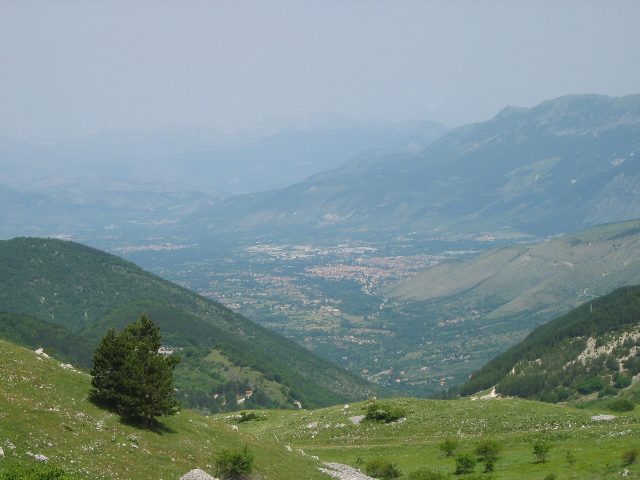
This wasn’t always the kind of place that drew attention. In the Middle Ages, Piazza Trinità was just another part of Tivoli’s urban fabric, without any particular significance. It wasn’t until the Renaissance that the square began to take on the shape we see today. Back then, Tivoli was a key stop on the road from Rome to Abruzzo, and the piazza served as a meeting point for merchants, pilgrims, and travelers. The church became a spiritual hub, while the surrounding buildings grew into the mix of styles that still define the square. Now, the worn cobblestones and weathered walls are the only reminders of that busier past, though if you look closely, you can almost hear the echoes of old conversations and footsteps.
The best times to visit are early morning or late evening. In the morning, the sun casts long shadows across the pavement, and the square is nearly empty, giving you a chance to notice the small details—the intricate door knockers, the wrought-iron lanterns, the peeling paint that tells its own story. By evening, the piazza comes alive in a different way. The glow of café lights spills onto the stones, laughter and conversation fill the air, and the scent of fresh pizza and espresso drifts from nearby bars. It’s in these moments that Tivoli feels less like a day-trip destination and more like a world of its own, with its own pace and personality.
Piazza Trinità isn’t the kind of place you visit for famous landmarks or world-class museums. There are no ancient ruins or masterpieces here, and that’s precisely why it feels so genuine. It’s a square that shows Tivoli as it really is—unpolished, unhurried, and deeply local. There’s no pressure to take photos or follow a guidebook. You can just sit on a bench, order an espresso, and watch life unfold at its own pace. For many, that’s the real reason to come to Italy: not for the grand sights, but for the quiet moments that feel like stepping into someone else’s everyday world.
The square still plays a central role in the life of the town. On weekends, small markets pop up, selling local olive oil, pecorino cheese, and homemade wine. Occasionally, there are concerts or festivals featuring traditional Italian music, where the sound of accordions and guitars fills the air, mingling with the smell of roasted chestnuts and wine. These events offer a rare glimpse into the Italy that exists beyond postcards and tourist trails—a place where people gather, celebrate, and simply enjoy being together.
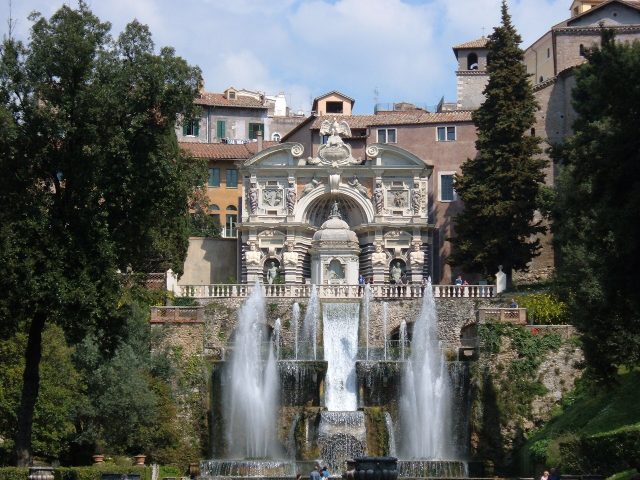
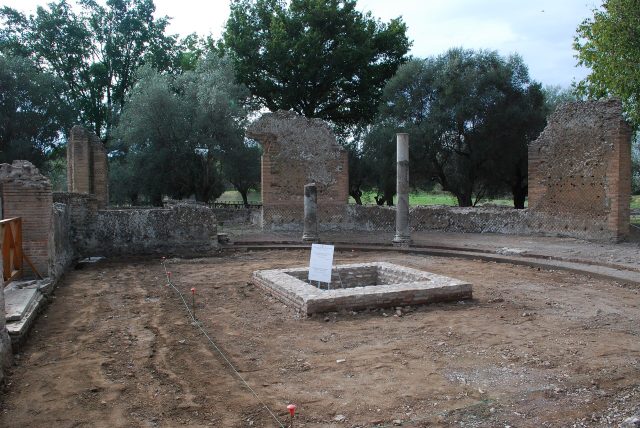
If you find yourself in Tivoli, don’t rush straight to Villa d’Este or Hadrian’s Villa. Take a detour to Piazza Trinità first. Wander the narrow streets that branch off from it, peek into the little shops selling handmade ceramics and leather goods, and let the rhythm of the town sink in. You might not find anything historically groundbreaking here, but that’s not the point. What you will find is something harder to come by these days: a sense of place that feels real, warm, and unscripted. After all, travel isn’t just about ticking off monuments—it’s about the small, unexpected moments that stay with you long after the trip is over.