The Peshawar Museum is one of those rare places where history doesn’t just sit behind glass—it lingers in the air, almost tangible in every corner. Housed in a building that itself is a relic of the early 20th century, when Peshawar was still part of British India, the museum stands as a quiet witness to the layers of time that have shaped this region. Its architecture blends colonial grandeur with local influences, its high ceilings and spacious halls softened by the muted light filtering through large windows. The building doesn’t just contain history; it feels like a part of it.
Founded in 1907, the museum’s collection has grown over the decades, gathering artifacts from across Khyber Pakhtunkhwa and beyond. Among its most striking exhibits are those from Gandhara, the ancient region that once stretched from northern Pakistan into eastern Afghanistan. Gandhara was a crossroads of cultures, and its art reflects that—particularly in the way it fused Buddhist spirituality with Hellenistic and Roman artistic traditions. The museum’s collection of Gandharan Buddha statues is remarkable, their serene expressions and flowing robes a testament to the skill of artisans who merged distant influences into something entirely new. These sculptures aren’t just religious icons; they’re a record of how ideas traveled along trade routes, shaping and reshaping the world.
Buddhism flourished in this region between the 2nd and 5th centuries, and the museum preserves that legacy in intricate detail. Stone reliefs depict scenes from the Buddha’s life, their carvings so precise that you can almost trace the folds of a robe or the curve of a smile. There are fragments of stupas, monastic relics, and everyday objects like pottery and coins, each piece offering a glimpse into the daily lives of monks and laypeople alike. These artifacts do more than tell a religious story—they reveal how people lived, what they valued, and how their world connected to others far beyond the mountains.
But the museum isn’t just about Buddhism. Its galleries span millennia, from the Indus Valley Civilization to the Mughal era and beyond. Coins and pottery from Mohenjo-Daro and Harappa hint at the sophistication of those ancient cities, while Islamic manuscripts, ceramics, and weaponry trace the evolution of art and craftsmanship under different dynasties. A separate section is dedicated to the colonial period, where old maps, military uniforms, and personal effects of British officers lay bare the complexities of empire. These exhibits don’t glorify the past; they present it as it was—messy, layered, and full of contradictions.
What makes the Peshawar Museum special is its ability to weave these disparate threads into a single narrative. It doesn’t just display objects; it tells a story of a place that has always been a meeting point. Peshawar has been a stop on the Silk Road, a frontier outpost, and a cultural hub, and the museum reflects that diversity. Temporary exhibitions often explore specific themes—recent archaeological discoveries, contemporary art inspired by tradition, or deep dives into particular historical periods. The museum also collaborates with universities and researchers, ensuring that its role extends beyond preservation into active scholarship.
Visiting the museum is less about ticking off exhibits and more about stepping into a different time. The halls are arranged thoughtfully, allowing visitors to move at their own pace, lingering over details that catch their eye. There’s no rush, no overwhelming flood of information—just the quiet weight of history unfolding one artifact at a time. The museum doesn’t try to simplify the past; it lets the objects speak for themselves, revealing how cultures collided, merged, and evolved over centuries.
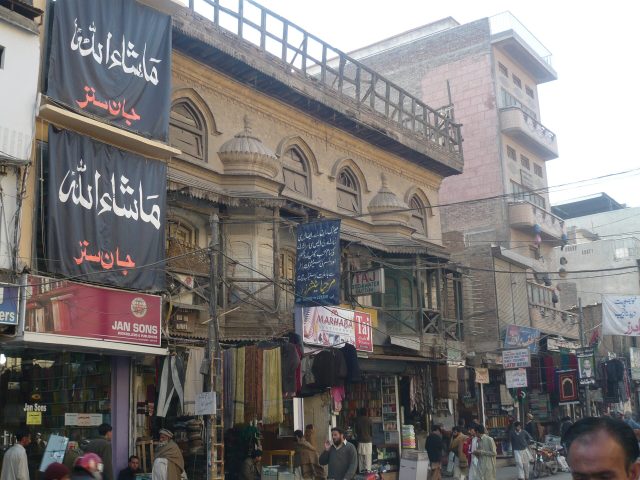
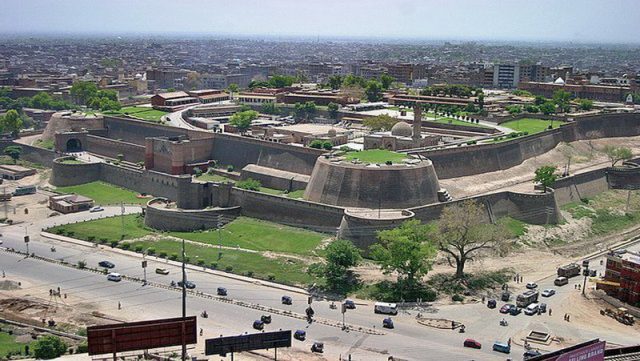
The museum’s location in the heart of old Peshawar adds to its appeal. The surrounding streets are a mix of the ancient and the modern, where bustling bazaars sit alongside historic mosques and crumbling colonial buildings. A walk through the area after visiting the museum offers another layer of understanding—this is a city where the past isn’t just preserved in museums but lives on in the rhythms of daily life. Peshawar isn’t an easy place for outsiders, but that’s part of its charm. It’s raw, unfiltered, and deeply authentic, a place where history isn’t just remembered but actively shapes the present.
For anyone curious about the region’s past, the Peshawar Museum is more than a collection of relics. It’s a place where Gandhara’s legacy feels alive, where the rise and fall of empires can be traced in pottery and stone, and where the echoes of different faiths and cultures still resonate. It doesn’t offer easy answers, but it invites visitors to ask questions—to look closer, think deeper, and leave with a sense of how this corner of the world has always been a crossroads, a place where stories from distant lands found common ground.