Kissa Khwani Bazaar isn’t just a street in the heart of Peshawar—it’s a living chronicle of the city’s layered past, where trade routes, cultures, and human stories have intertwined for centuries. The name translates to "Market of Storytellers," and though wandering minstrels no longer gather here to spin tales, the bazaar itself holds enough history to fill volumes. Narrow alleys wind between stalls, their red-brick arches framing scenes of daily life, while the scent of spices, leather, and woodsmoke lingers in the air. Time moves differently here, slowed to the unhurried rhythm of a place that has seen empires rise and fall.
The bazaar’s origins stretch back to the Mughal era, when Peshawar was a vital stop on the caravan routes linking Central Asia to the Indian subcontinent. Merchants traveling with silk, gemstones, and rare spices would pause here, exchanging not just goods but news, legends, and ideas. Over time, Kissa Khwani became the pulse of the city, a place where commerce and conversation flowed together. By the 19th century, under British rule, the bazaar evolved into a crossroads where locals and colonizers mingled—where deals were struck, politics debated, and the constant hum of activity never ceased.
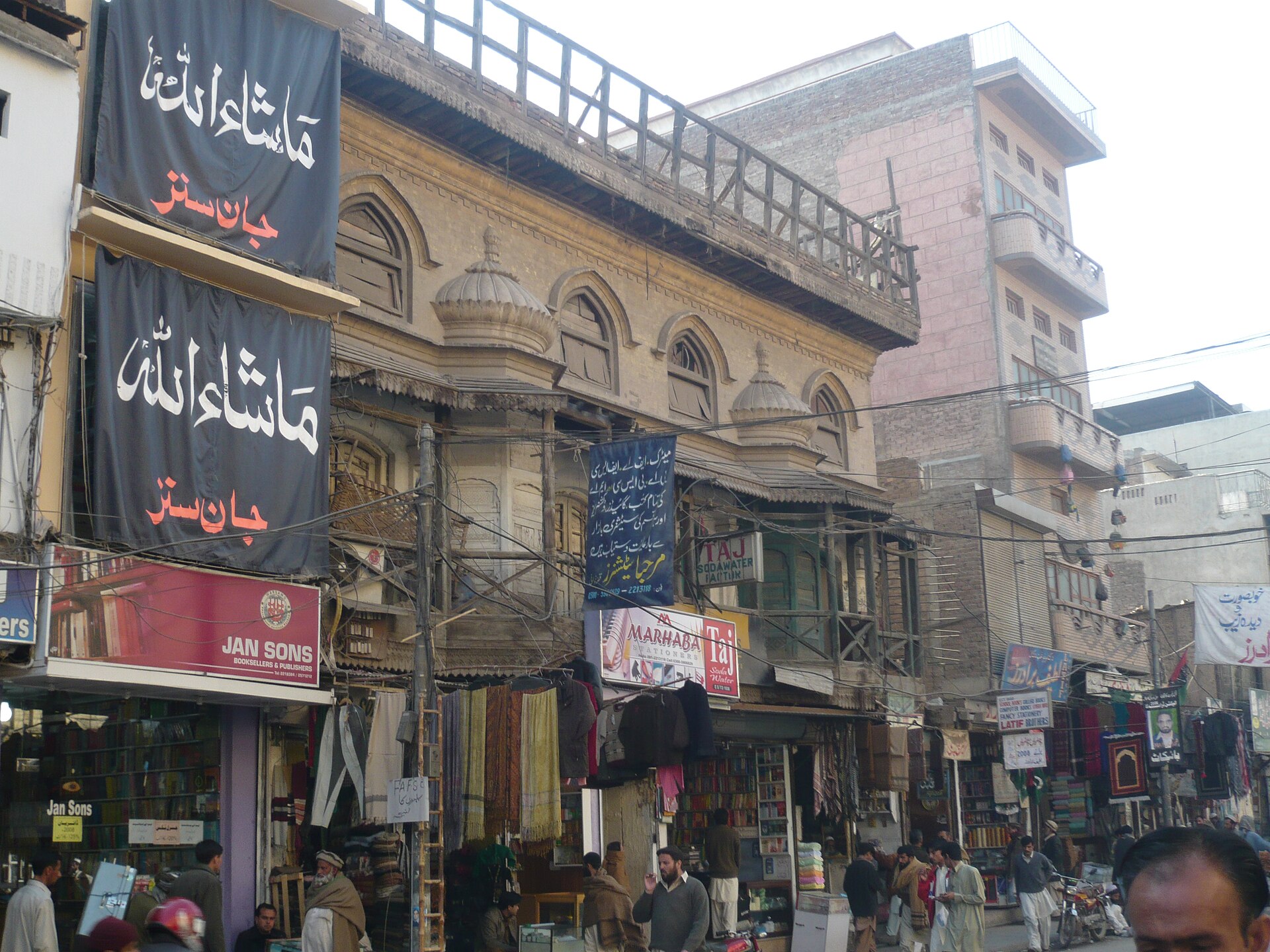
The architecture of Kissa Khwani reflects its many eras. Mughal-era buildings with intricately carved wooden balconies stand beside structures bearing the marks of British colonial design, their facades a patchwork of Urdu and English signage. Some shops still display faded murals depicting scenes from Peshawar’s past, while the labyrinthine side streets invite exploration, rewarding those who wander with glimpses of hidden courtyards and quiet corners. The bazaar isn’t just a marketplace; it’s a physical archive of the city’s evolution.
Today, Kissa Khwani remains a hub of trade, where the variety of goods is staggering. Stalls overflow with everything from handcrafted silver jewelry and embroidered textiles to electronics and household wares. The bazaar is particularly known for its leatherwork—shoes, bags, and belts stitched with precision by artisans whose families have honed their craft for generations. Spice merchants display pyramids of vibrant powders, their aromas mingling with the scent of freshly baked naan from nearby bakeries. Bargaining is expected, and the back-and-forth between buyer and seller is as much a part of the experience as the purchase itself.
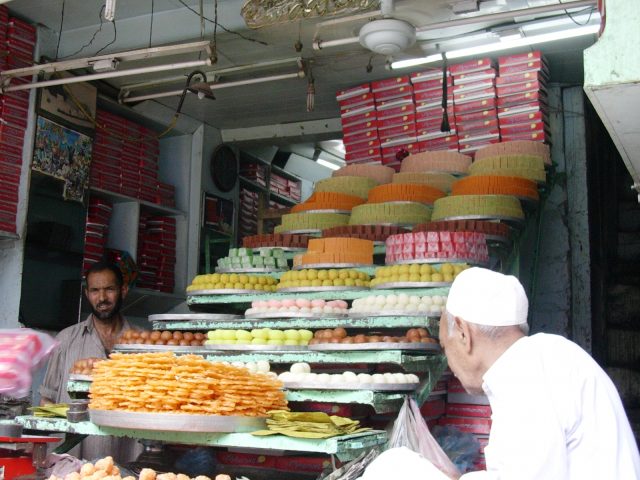
Yet Kissa Khwani is more than a place to shop. It’s where the city’s heartbeat is most palpable. Mornings begin with the clatter of shutters being raised and the shouts of vendors arranging their wares. By midday, the air is thick with the smell of sizzling kebabs, cardamom tea, and the sweet tang of jalebi frying in oil. As the sun dips lower, the bazaar transforms into a social space—men gather in tea stalls to discuss the day’s events, children dart between stalls, and the hum of conversation fills the air. There’s no rush here; time is measured in cups of tea and the slow unfolding of stories.
The tea houses, or *chai khanas*, scattered throughout the bazaar are institutions in their own right. More than just places to rest, they serve as informal meeting spots where regulars while away hours over steaming glasses of *doodh chai*—milky, spiced tea—paired with sweets like *gulab jamun* or *barfi*. Low wooden benches line the walls, and the atmosphere is one of easy camaraderie. Some patrons smoke hookahs, the sweet scent of apple or mint tobacco curling into the air, while others play board games or simply watch the world go by. For many, these tea houses are a second home, a place to escape the heat or the chaos of the streets.
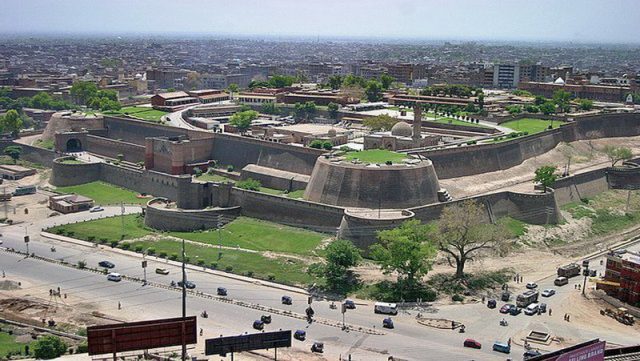
Kissa Khwani also offers a tangible connection to Peshawar’s history. Nearby landmarks like the 16th-century Mohabbat Khan Mosque, with its towering minarets and intricate tilework, and the ancient Bala Hisar Fort, which has stood guard over the city for centuries, serve as reminders of the bazaar’s enduring place in the city’s narrative. Walking its length, you’ll pass under Mughal arches, past British-era facades, and through pockets of time where the past feels almost within reach. Even without knowing the specifics, the weight of history is unmistakable—it’s in the worn cobblestones, the weathered wood, the way the light filters through the awnings.
Like any living place, Kissa Khwani has faced its share of challenges. Peshawar’s recent decades have been marked by conflict and economic strain, yet the bazaar persists as a symbol of resilience. The rhythm of trade continues, the calls of vendors echo through the alleys, and the scent of spices and fresh bread still fills the air. It’s a place where tradition and modernity coexist, where the old ways of doing business brush up against the demands of a changing world. The bazaar doesn’t just survive—it adapts, absorbing new influences while holding onto its essence.
For visitors, Kissa Khwani offers a rare glimpse into the real Pakistan, far removed from the polished images of travel brochures. There are no luxury hotels or curated museum exhibits here, just the raw, unfiltered life of a city that has been a crossroads for millennia. A walk through the bazaar is an immersion in a world where time moves to its own pace, where every corner holds a story, and where the past is never far from the surface. If you’re lucky, you might hear one of those stories firsthand—perhaps over a cup of tea in a dimly lit chai khana, where the only agenda is the slow, satisfying art of conversation.