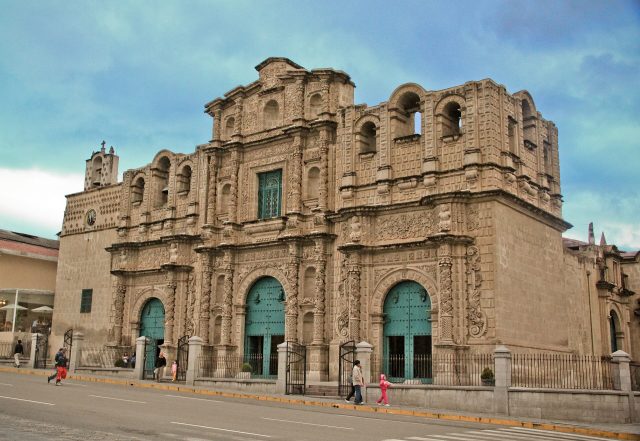
Peshawar
Pakistan · 8 places
Photo: Wikimedia Commons, CC BY 2.5
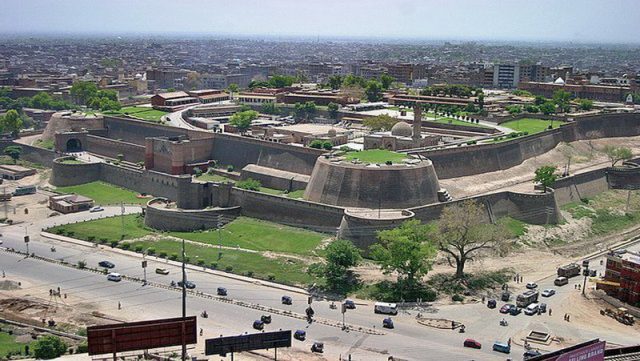
Peshawar stands at the crossroads of ancient trade routes—those routes are still here, alive after centuries. At the foot of the Hindu Kush in northwestern Pakistan, it has been a meeting point of cultures, languages, and stories for millennia. Before it became Peshawar, it was Purushapura in Vedic texts and Peukelaotis to the Greeks. History isn’t locked in museums; it’s in the air. The Old City’s narrow lanes, still lined with mud-brick walls, recall the Silk Road days when caravans carried silk, spices, and gemstones. The bazaars and the voices of the people keep that legacy.
Walk these streets, and you’ll hear Pashto, Urdu, Farsi, English, and the dialects of mountain tribes who come to trade or talk.
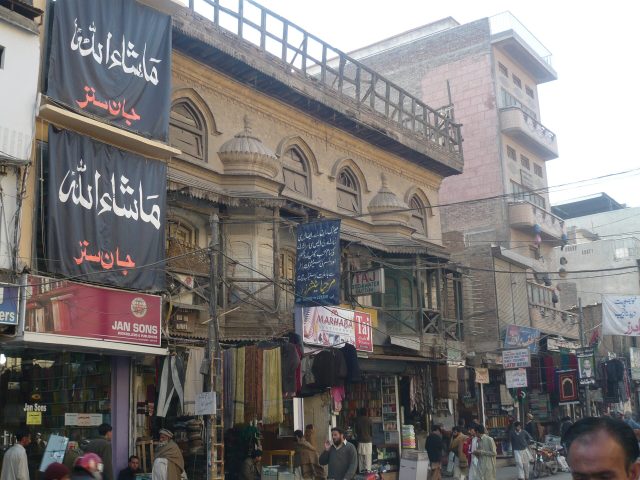
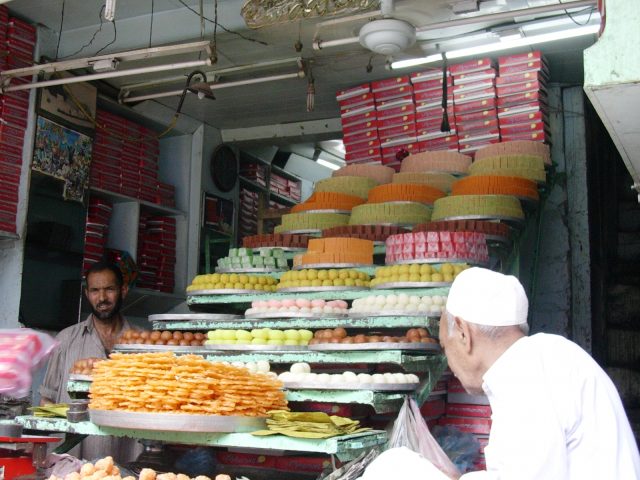
The city’s heart is its bazaars. Each has its own rhythm. Qissa Khwani Bazaar, the "Street of Storytellers," was where merchants once paused to swap tales. Today, it’s where stories unfold in every transaction. Here, you’ll find antique silver jewelry next to smartphones. The air smells of sizzling meat, spices, and fresh naan. Saddar Bazaar sells hand-embroidered fabrics and leatherwork you won’t find elsewhere in Pakistan. The bird market is where locals haggle over songbirds or rare pigeons. The alleys are easy to get lost in. Beyond the Old City’s walls, glass towers and wide boulevards mark a metropolis that won’t stand still.
Past and present collide here. One moment, you’re at a centuries-old mosque with carved minarets. The next, you’re in a café with free Wi-Fi, where students debate politics over chai. Tribal traditions run deep, especially among the Pashtun. Hospitality is a way of life. Strangers are often invited for tea, where conversations about family or cricket can last for hours. Yet modernity is here too—new universities, shopping malls, and cinemas have returned in recent years. The old and the new don’t just coexist; they push against each other, sometimes clashing, sometimes blending.
The landscape around Peshawar is as varied as its history. A few hours’ drive takes you from the city’s dusty streets to the snow-capped Hindu Kush or the orchards where peaches, apricots, and pomegranates ripen in summer. The region holds remnants of its past—Buddhist stupas and the ruins of Gandhara cities. Locals escape to the Kabul River for picnics or to mountain villages for fresh milk and flatbreads baked in tandoors. Even in the city, parks and gardens offer shade where families gather and students read.
Peshawar’s history hasn’t been easy. That’s what shapes it—a city that’s resilient and full of surprises. It doesn’t move at the same pace as Pakistan’s southern cities. It pulses with energy from the moment you arrive. Past and present aren’t just side by side; they’re tangled together. For travelers, Peshawar is both a challenge and a reward. It won’t reveal itself immediately, and it won’t let you stay indifferent. It demands attention—and repays it.
See & Do
All of them
Places on the map
Marker colour follows the categoryClimate and weather
Detailed weather: Peshawar- Average temperature
- 23 °C
- Precipitation per year
- 605 mm
Average air temperature
°C
11
15
19
25
29
32
32
31
30
24
17
12
Jan
Feb
Mar
Apr
May
Jun
Jul
Aug
Sep
Oct
Nov
Dec