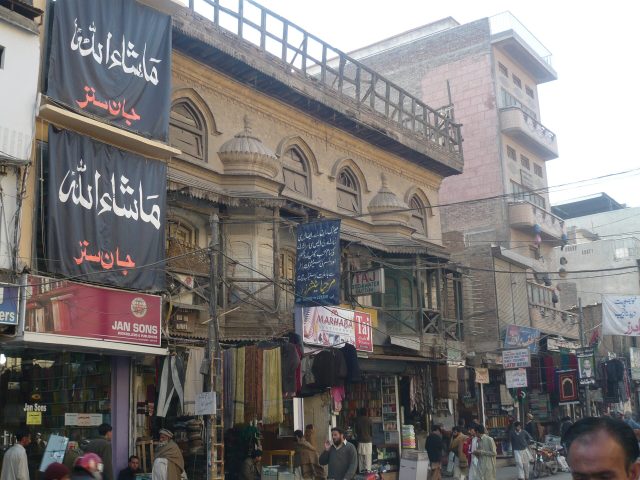
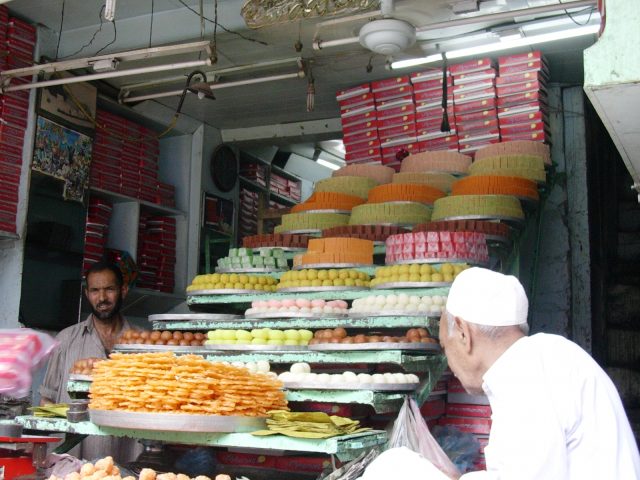
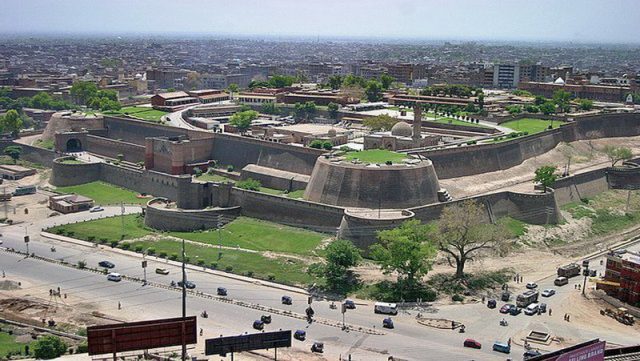
Peshawar is a city where history lingers in the dust of centuries, where the present moves at its own unhurried pace through narrow streets and bustling bazaars. The air carries the scent of spices, the echoes of the old Silk Road, and the rhythms of Pashtun traditions that have shaped this place for generations. Amid the energy of the city, there are quiet corners where time seems to slow down—places like Arbab Nisar Ali Khan Park, a modest green space that offers a moment of respite from the urban rush.
Named after a respected political figure, the park doesn’t seek attention or grandeur. It doesn’t have towering monuments or flashy attractions, and that’s precisely what makes it special. Instead, it offers open lawns, shaded pathways, and benches where visitors can sit and watch the city go by. Families come here on weekends, students gather for picnics, and elderly men stroll along the paths, chatting about the day’s news. There are no strict rules, just an unspoken understanding that this is a place for quiet reflection—a rare thing in a city as lively as Peshawar.
The park’s design is simple and practical, built for the people who use it rather than for tourists. Small fountains dot the grounds, providing a cool escape from the heat, and in the evenings, their soft lighting adds a touch of magic. At the center stands a modest monument to Arbab Nisar Ali Khan, not an imposing statue but a quiet reminder of a man who once walked these paths. Around it, flowerbeds bloom in seasonal cycles—roses in spring, chrysanthemums in autumn—adding color to the landscape.
Like much of Peshawar, the park carries layers of history. The city has always been a crossroads of cultures, and even a place as unassuming as this reflects that complexity. During the colonial era, the area was home to British military barracks, and after Pakistan gained independence, it was transformed into a public space. The park’s current name came later, as the city began to invest in green areas to give residents a break from the noise and pollution of urban life.
For locals, Arbab Nisar Ali Khan Park is more than just a place to walk—it’s part of daily life. People meet here, children learn to ride bicycles, and young couples find quiet corners for conversation. In the mornings, groups gather for yoga or traditional exercises, while in the evenings, families bring samovars and sweets to share. During festivals, the park comes alive with concerts, exhibitions, and fairs, drawing even more visitors.
In a city where ancient mosques stand beside modern shopping centers and historic sites rub shoulders with busy highways, green spaces like this one are essential. They offer a reminder that even in the rush of modern life, there’s room for stillness. Arbab Nisar Ali Khan Park doesn’t try to be anything more than what it is, and that’s its greatest strength.
There are no crowds of tourists here, no guided tours, no pressure to see or do anything in particular. It’s a place for those who want to experience the real Peshawar—not the polished version, but the city as it is, with all its contradictions and charm. You could bring a book and spend hours under the trees, or simply sit on a bench and watch the world go by. There’s nothing extraordinary about the park, and that’s why it matters: it lets you see the city without filters or clichés.
In recent years, Peshawar has been changing. New parks are opening, old ones are being restored, and the city is working to make life better for its residents. Arbab Nisar Ali Khan Park is a small but meaningful part of that effort. It’s not luxurious, but it offers something rare in big cities—a sense of home. For many in Peshawar, this park is exactly that: a familiar, welcoming place, ready to receive them whether it’s a hot afternoon or a cool evening.
If you ever find yourself in Peshawar, don’t rush straight to the famous landmarks. Take a moment to visit this park instead. Maybe here, more than anywhere else, you’ll feel the true rhythm of the city—not hurried, but full of life. There’s nothing here that needs to be photographed or memorized, just something to be experienced: the rustle of leaves, the laughter of children, the scent of fresh tea, and the quiet sense that time, for a little while, has stood still.