Pastoruri is one of those rare places where the Andes feel almost within reach, as if the sky itself has settled just above the peaks. Tucked away in the mountains of Peru, this glacier isn’t the easiest to visit, and that’s precisely what makes it worth the effort. There are no crowds here, no souvenir stands or tour buses—just the quiet vastness of high-altitude wilderness, where the air is thin and the snow lingers even in the middle of summer.
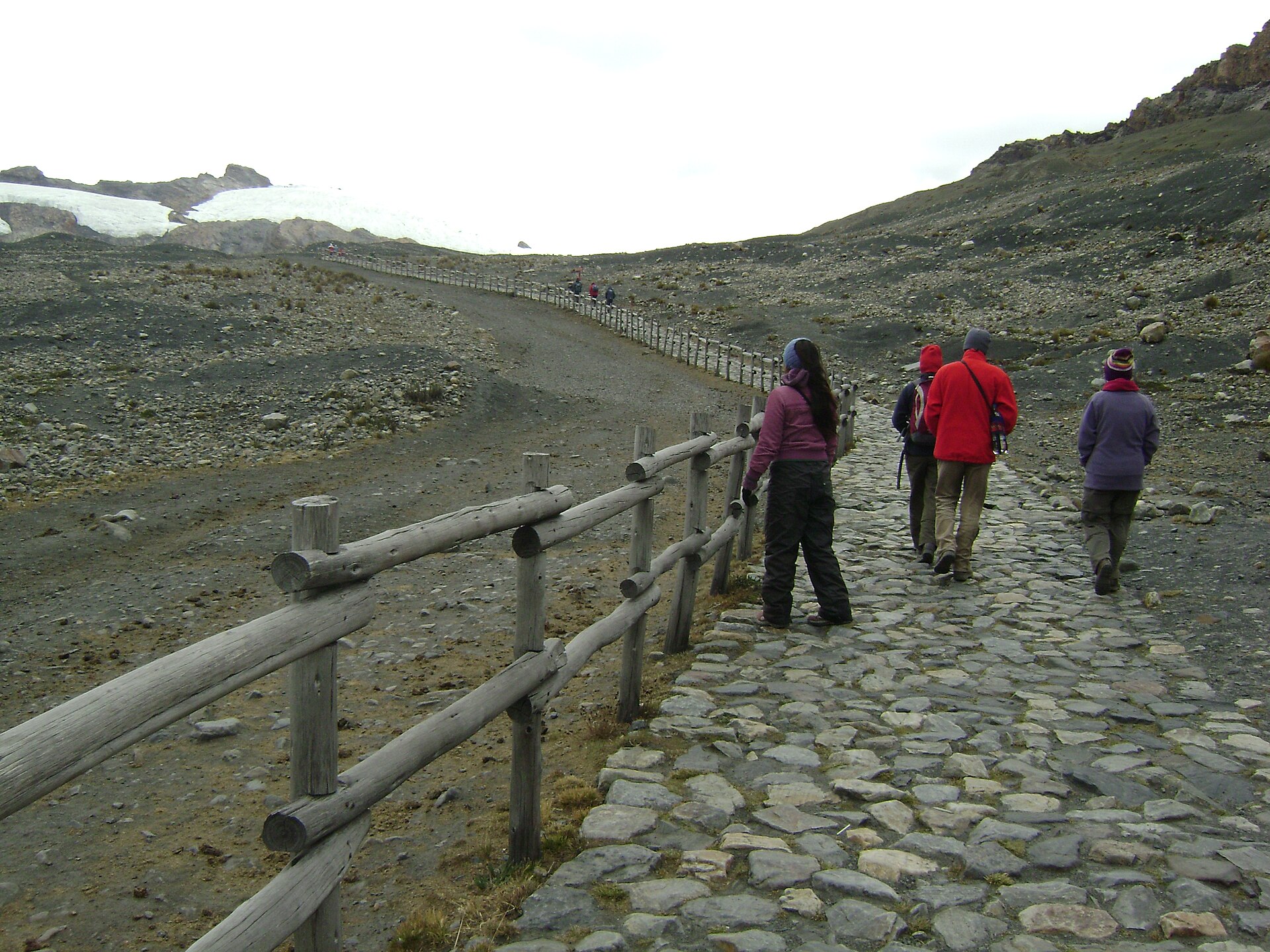
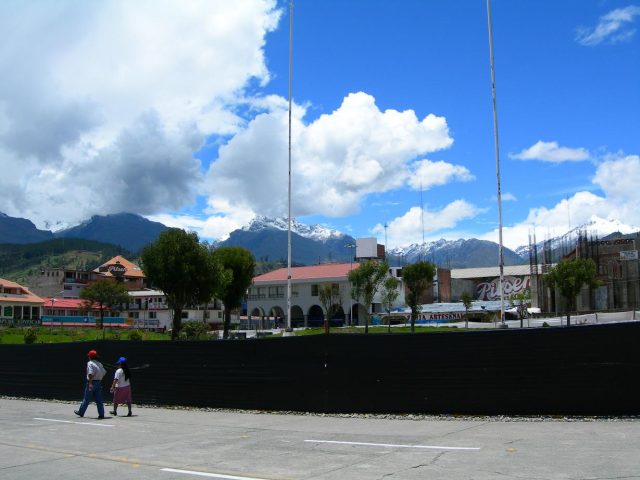
The glacier sits at around five thousand meters above sea level, making it one of the most accessible spots in Peru to see ice up close. The journey begins in Huaraz, a small town that serves as the gateway to the Cordillera Blanca, one of the highest mountain ranges in the world. The road winds upward for hours, shifting from green valleys to rocky slopes and finally to the stark white of snowfields. As you climb, the temperature drops, the air grows thinner, and the sky seems to press closer.
For most of its history, Pastoruri wasn’t a tourist destination. Local herders and mountaineers knew it well, using the area as a stopping point before tackling higher peaks. The glacier was part of their daily lives—water for their animals, a place to rest, a landmark in the vast landscape. The Andes have always held spiritual significance for the people who live here, and Pastoruri is no exception. Even now, with visitors arriving in greater numbers, the place retains a sense of timelessness, as if it exists outside the rush of the modern world.
The glacier itself is far from static. Like many in the Andes, it has been shrinking over the decades, a quiet reminder of how fragile these environments are. On clear days, the ice glitters under the sun, scattering light in every direction. When clouds roll in, it takes on a muted gray, blending into the mist. Sometimes, if you listen closely, you can hear it creak and groan as it shifts under its own weight. Those who venture near can see the cracks and caves forming within, a hidden world of ice shaped by time and gravity.
Reaching Pastoruri isn’t a casual outing. The altitude makes even simple movement a challenge—breathing feels harder, steps come slower, and the body protests in ways it doesn’t at lower elevations. But those who push through are rewarded with a view that stays with them long after they leave. From the top, the surrounding peaks stretch endlessly, their snow-capped summits fading into the distance. On the clearest days, the entire Cordillera Blanca comes into view, a jagged line of white against the blue.
There’s almost no infrastructure here. No cafes, no gift shops, no visitor centers—just a small parking area where cars stop and a trail leading to the glacier. This isn’t a place for those who expect convenience. There are no guides reciting facts or signs telling you where to go. It’s just you, the ice, the mountains, and the wind carrying the scent of snow and stone.
In recent years, Pastoruri has started to attract more visitors, though it remains far from a mainstream destination. The people who come here are often looking for something beyond the usual tourist experience—something real. And despite its growing popularity, the glacier hasn’t lost its raw, untouched feel. Maybe it’s because the journey is still difficult, or maybe it’s because those who make the effort tend to value solitude over spectacle. There’s no pressure to take the perfect photo or buy a keepsake. The only thing to do is stand and watch as the ice slowly melts under the sun.
Pastoruri isn’t just a glacier; it’s a reminder of how people can exist alongside nature without trying to tame it. There are no cable cars, no paved paths, no artificial attractions—just the landscape as it is, demanding respect. Those who visit often leave with the sense that they’ve seen something rare, something that doesn’t appear in travel brochures. It’s not a place for everyone, but for those who find it, it feels like a discovery.