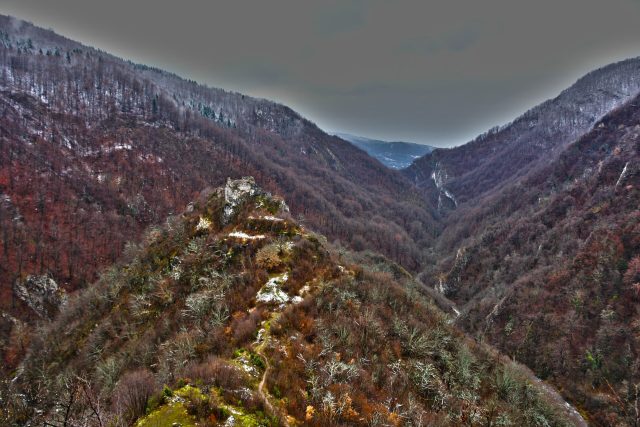
In the heart of Vareš, a small town in Bosnia and Herzegovina, there’s a park that locals call "the town park." The trees grow freely, their branches stretching over winding walkways that meander between old lindens and chestnuts. The benches stand where they’ve always been—where someone once decided they’d be most useful. This isn’t a park for show; it’s a place where people come to meet, to stroll, or to rest, especially on summer evenings when the shade offers relief from the heat and the air carries the scent of grass and pine resin.
The park’s history is tied to Vareš’s past. The town was once a center of Bosnia’s mining industry, and the park emerged during a time of economic growth. Many of the surrounding buildings—two-story houses with high ceilings, cafés, and shops—date back to the early 20th century. The park was never meant to be grand; it was a place where miners could unwind after shifts and families could spend weekends. Over time, the mines closed, but the park remained, a reminder of when Vareš was an active industrial town.
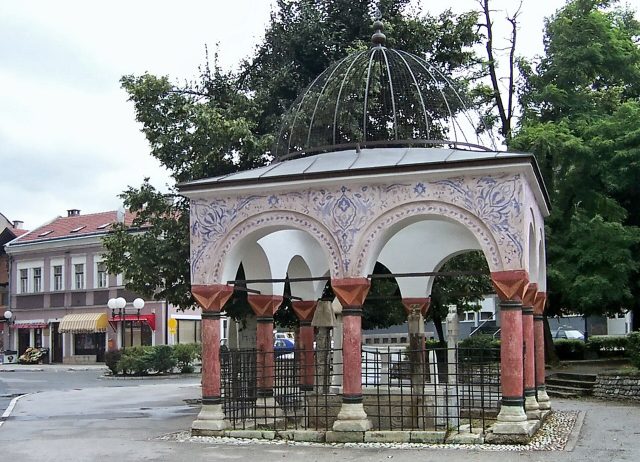
The park’s design is simple. It has no towering monuments or ornate fountains, but it does have small details that tell stories. Near the entrance, old granite pedestals—once bases for streetlamps—stand weathered and moss-covered. In the center, a wooden gazebo from the Austro-Hungarian era has railings patched and repaired over the years. These elements don’t attract tourists, but for locals, they’re part of the familiar landscape.
For the people of Vareš, the park is more than a patch of green. In a town where life often depends on seasonal work, it’s a steady presence. Friends meet here, parents bring children to play, old men sit with newspapers, and young couples steal quiet moments. In summer, the park hosts small concerts and festivals; in winter, kids sled down its gentle slopes. For many, it holds personal memories—first kisses, farewells, weddings, and births. It’s not just a park; it’s part of life.
The park changes with the seasons. Spring brings birdsong and blooming shrubs. Summer offers stillness, broken by cicadas and children’s laughter. Autumn turns it golden, leaves crunching underfoot. Winter, if the weather allows, covers it in snow, smoke curling from chimneys into crisp air. Each season brings something different, but the sense of comfort remains.
Vareš isn’t a tourist destination, and its park doesn’t pretend to be an attraction. There are no crowds, no plaques, no souvenir stalls. That’s what makes it special. This is a place for those who want to see Bosnia as it is, away from well-trodden paths. The park isn’t about grand architecture or historic events; it’s about everyday life. Here, you can sit on a bench and listen to locals chatting or watch the sun set behind the rooftops.
If you ever visit Vareš, don’t rush past this park. Step inside—sit on a bench, look at the old trees that have watched generations come and go. Maybe here, in this quiet corner, you’ll see the real Bosnia: unhurried, a little nostalgic, but full of life. Sometimes, the simplest places leave the deepest impressions.