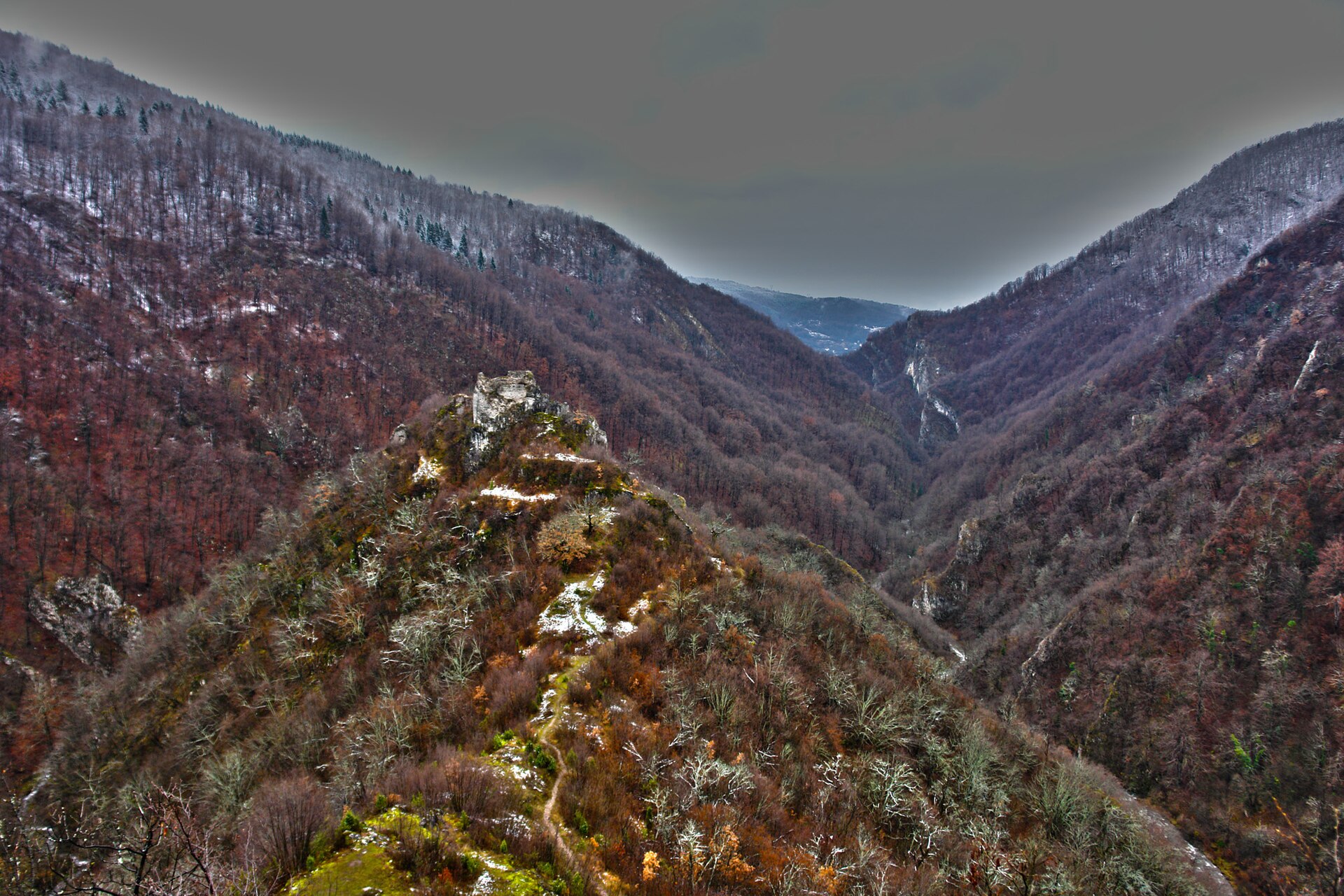
Bobovac is one of those rare places that feels untouched by the rush of modern life. Tucked away in the mountains near Vareš, it sits in a landscape where narrow valleys give way to steep slopes, and dense forests meet rolling pastures. There are no tourist crowds here, no well-trodden paths leading to famous landmarks—just a quiet village that has preserved the kind of atmosphere you might think no longer exists. The road from Vareš winds upward, and as you approach, the pace of life seems to slow, falling into rhythm with the seasons and the land itself.
The history of Bobovac is woven into the broader story of the region. Vareš, just a short distance away, was once a thriving center for metalwork, particularly silver and iron, drawing the interest of Hungarian kings, Bosnian bans, and later, Ottoman rulers. Each left their mark on the culture and architecture of the area, though Bobovac itself was never a major settlement. Instead, it remained a quiet participant in that history, its stone and timber houses built in the same way they have been for generations. The village’s modest size and remote location meant it was largely overlooked by the grander forces that shaped the region, allowing it to retain a sense of continuity with the past.
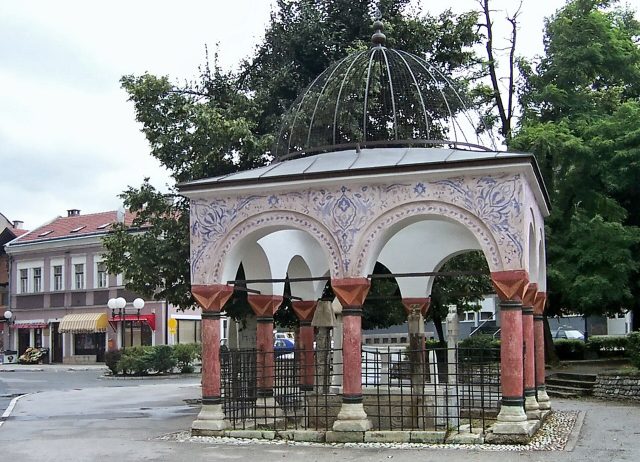
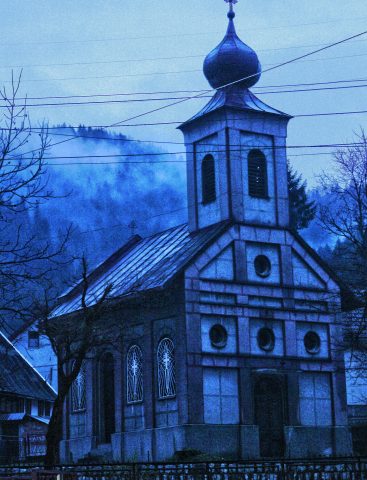
The village is small, with just a few dozen houses scattered across a hillside. Most are traditional Bosnian farmsteads, where living quarters stand alongside barns and storage sheds. The roofs are tiled or covered in slate, and some of the older homes still feature carved wooden details on their facades. At the center of the village stands a small Ottoman-style mosque, its minaret rising above the surrounding buildings. Nearby, an old cemetery holds gravestones inscribed in Arabic, a quiet reminder of the generations who lived here, their lives shaped by the land and the changing tides of history.
The landscape around Bobovac is striking in its simplicity. In summer, the mountains are lush and green, while winter brings a blanket of snow to the peaks. Small rivers and streams cut through the valleys, feeding the pastures where livestock graze. For centuries, the people here have relied on farming and herding—growing corn, potatoes, and vegetables on small plots, tending to cattle and sheep. The forests are home to deer, wild boar, and occasionally bears, though encounters with wildlife are rare for visitors. The locals know these hills intimately, and if you spend time with them, they’ll share stories of how their ancestors lived, worked, and adapted to the land.
Bobovac isn’t a place you’ll find in guidebooks or on tourist itineraries. There are no luxury hotels or restaurants, no souvenir shops or guided tours. But if you do find your way here, you might be able to stay in one of the family-run guesthouses, where the food is simple but hearty—freshly baked bread, homemade cheese, smoked meat, and honey straight from the comb. The hospitality of the villagers is what lingers in memory. They’ll offer you coffee brewed the traditional way, strong and thick, served with stories about the village and its people. There’s no rush, no agenda—just the quiet pleasure of conversation and connection.
This is a place where time moves differently. There’s no need to hurry, no crowds to navigate, no attractions demanding your attention. You can wander the narrow lanes, step inside the mosque, or sit by a stream and listen to the water. In the evening, as the sun dips behind the mountains, the village grows still, the only sounds the distant chime of sheep bells and the occasional call of a bird. It’s a place for those who seek quiet, for those who want to step away from the noise of the world and experience something closer to the rhythm of life as it once was.
Like many rural villages in Bosnia and Herzegovina, Bobovac has seen its younger generations move away in search of opportunities in cities or abroad. What remains is a community of older residents, the keepers of traditions and the daily routines that keep the village alive. Yet those who grew up here often return, drawn back by family ties and the pull of familiar landscapes. It’s this connection to the past that gives Bobovac its enduring charm—a sense that, despite the changes around it, the village still holds onto something essential.
If you ever find yourself in this part of Bosnia, don’t just pass through. Take a few hours, or even a day, to explore. Walk the trails that lead into the hills, visit the old houses, and talk to the people who call this place home. You won’t find grand monuments or bustling markets, but you will find something far more valuable: a glimpse of Bosnia as it has been for centuries—unhurried, welcoming, and deeply rooted in the land.