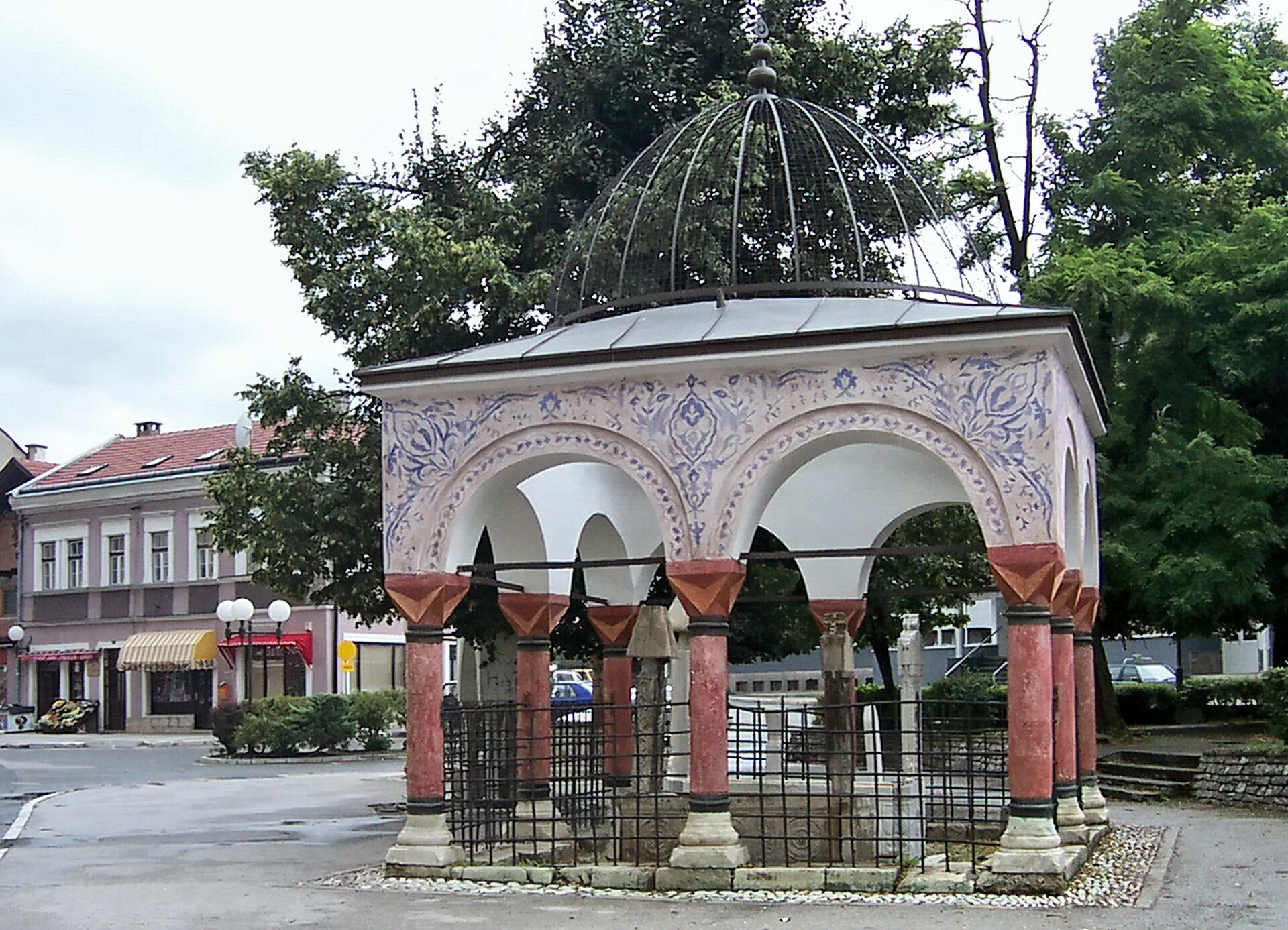
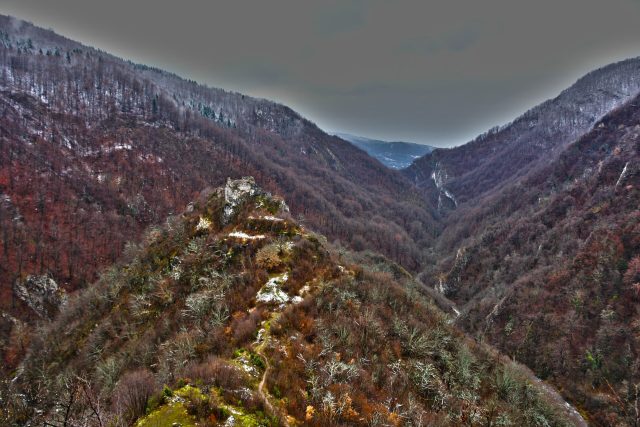
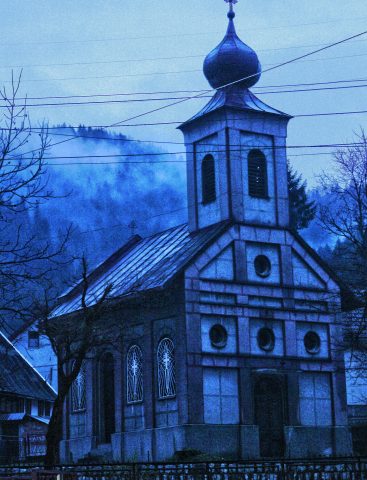
Haji Ali-beg Mosque in Vareš is one of those quiet places where history isn’t told through grand narratives but through the stillness of its walls and the weight of its presence. Perched on a hillside, it has watched over the town for centuries, a silent witness to the changes that have shaped this corner of Bosnia. Built in the late 16th century, when Vareš was a thriving center of silver and lead mining, the mosque arrived with the Ottoman expansion, marking the arrival of new traditions and faith in a land where different cultures had long coexisted. It wasn’t just a place of prayer—it became a symbol of how people here learned to live side by side, despite differences.
The architecture is unassuming, yet there’s a quiet strength in its simplicity. Low stone walls, a tiled roof, and a slender minaret rising above the surrounding houses—all of it follows the classic Ottoman style that defined the Balkans during that era. Inside, there’s no opulence, just a sense of warmth and calm. The wooden minbar and mihrab are crafted with understated elegance, a reminder that this space was never about grandeur but about reflection and devotion.
Like many historic buildings in Bosnia, the mosque has endured its share of hardship. Wars and neglect left their marks, but the most devastating blow came during the 1990s conflict, when so much of the country’s heritage was damaged or lost. Haji Ali-beg Mosque suffered too, yet through the efforts of locals and restorers, it was brought back to life. Today, it stands as it once did, though the scars of the past remain visible in the details—a chipped stone here, a faded inscription there.
Vareš itself is the kind of town most travelers overlook, drawn instead to Bosnia’s more famous destinations. But those who do make the journey find something rare: a place where history isn’t packaged for tourists but exists as part of everyday life. The mosque sits on the edge of town, surrounded by old houses and narrow streets where time moves at its own pace. Nearby, a small cemetery with moss-covered gravestones adds to the sense that past and present here are intertwined in a way that feels natural, almost effortless.
For the people of Vareš, the mosque is more than a landmark—it’s a living part of their community. On Fridays, men gather for prayers, while on other days, you might see elderly locals sitting on benches outside, talking quietly or simply enjoying the quiet. There’s nothing performative about it; the mosque exists as it always has, a place of routine and reflection. That unpretentiousness is what makes it special.
The few visitors who do find their way to Vareš often remark on how different it feels from the more tourist-heavy parts of Bosnia. There are no crowds, no souvenir stalls, no guides trying to sell you a story. Instead, there’s just the town itself, where history is woven into the fabric of daily life. The mosque is one of those places where you can sit on the steps, look up at the minaret, and feel the weight of time slowing down around you.
If you visit, stepping inside is worth the effort, even if you’re not Muslim. The mosque welcomes guests, as long as you follow a few basic courtesies: remove your shoes, keep your voice low, and avoid taking photos during prayer. Locals are happy to share stories about the building’s history if you ask, but they won’t push it on you. The conversations, if they happen, feel organic, like an exchange between people rather than a scripted tour.
Vareš and its mosque serve as a reminder that some of the most meaningful places aren’t the ones that dominate postcards. They’re the quiet, unassuming spots where life carries on as it always has, where the past isn’t just remembered but lived. There’s no tourist hustle here, just an authenticity that’s increasingly hard to find. And perhaps that’s why Haji Ali-beg Mosque lingers in the memory long after you’ve left—because it offers something rare: a moment of stillness in a world that moves too fast.