Vareš is one of those places that time seems to have gently set aside. Tucked away in the hills of Bosnia and Herzegovina, it doesn’t draw the crowds that flock to Sarajevo or Mostar, nor does it offer the polished charm of a tourist hotspot. Instead, it moves at its own quiet pace, its streets lined with weathered houses and the occasional crumbling facade, as if the town itself is taking a slow breath. The Vareš Museum sits at the heart of this unhurried rhythm, not as a grand monument to the past, but as a quiet conversation with it—a place where the layers of history feel tangible, almost within reach.
The museum’s story is inseparable from that of Vareš itself, a town built on the back of mining. For centuries, this corner of Bosnia was a hub of industry, its hills rich with iron ore, silver, and lead. Medieval records speak of miners digging deep into the earth, while later periods saw the rise of smelters and foundries that drew workers and merchants from across Europe. The museum emerged from a desire to preserve this legacy, to keep alive the memory of a time when Vareš was a vital industrial center. Its exhibits—tools, ore samples, faded photographs—are less about spectacle and more about the people who shaped the town, their hands calloused from labor, their lives tied to the rhythm of the mines.
The building that houses the museum is a relic in its own right. Constructed in the early 1900s, when Vareš was under Austro-Hungarian rule, it reflects the architectural tastes of the era: high ceilings, large windows, and ornate stucco work that hints at the prosperity of its original owners. Inside, the space retains a sense of its former life, with details like original doorframes and period furnishings suggesting the home of a local official or businessman. Walking through its rooms, it’s easy to imagine the clink of glasses during an evening gathering or the murmur of voices discussing the day’s business—small moments that once filled these walls.
The museum’s collection, though modest, is carefully curated to tell the story of Vareš’s industrial past. The first section introduces visitors to the minerals that once drove the local economy, with samples of galena, sphalerite, and other ores displayed alongside models of mines and smelting furnaces. These aren’t just static exhibits; they’re tools for understanding the process that sustained the town for generations. Nearby, the rough-hewn picks, shovels, and battery-powered lamps of miners offer a stark reminder of the physical toll of the work. Each object carries the weight of countless hands that once wielded it, a testament to the labor that kept Vareš alive.
Beyond the mines, the museum also paints a picture of daily life in the town. A separate room is dedicated to household items spanning the 19th and 20th centuries—clothing, furniture, and kitchenware that reveal how ordinary people lived. The contrast between eras is striking: wooden spinning wheels sit beside early electric irons, while handmade clay jugs share space with mass-produced glass jars. These objects do more than document change; they humanize it, showing how technology and culture seeped into even the most mundane aspects of life. It’s here that the museum feels most alive, not as a repository of artifacts, but as a narrative about the people who called Vareš home.
Photographs and documents round out the story, offering glimpses into the town’s social fabric. Black-and-white images capture the bustle of mining settlements, the solemnity of religious processions, and the quiet moments of families gathered outside their homes. Some of the most compelling photos date to the early 20th century, when Vareš was a microcosm of the Austro-Hungarian Empire, home to Bosniaks, Croats, Serbs, Austrians, Hungarians, and Italians. The documents—contracts, letters, newspaper clippings—add another layer, chronicling the rise and fall of industries, the impact of wars, and the slow ebb of prosperity. Together, they form a mosaic of a town that has weathered change, sometimes thriving, sometimes struggling, but always enduring.
The museum isn’t just a window into the past; it’s also a reflection of Vareš’s present. Like many industrial towns in Bosnia, Vareš faced decline after the breakup of Yugoslavia and the war of the 1990s. Mines closed, factories shuttered, and the population dwindled as people sought opportunities elsewhere. Today, the town is inching toward recovery, and the museum plays a role in that process. It serves as a reminder that Vareš’s history is worth preserving, that its story isn’t over. Local artists exhibit their work here, workshops bring people together, and residents share their memories, ensuring that the town’s identity isn’t lost to time.
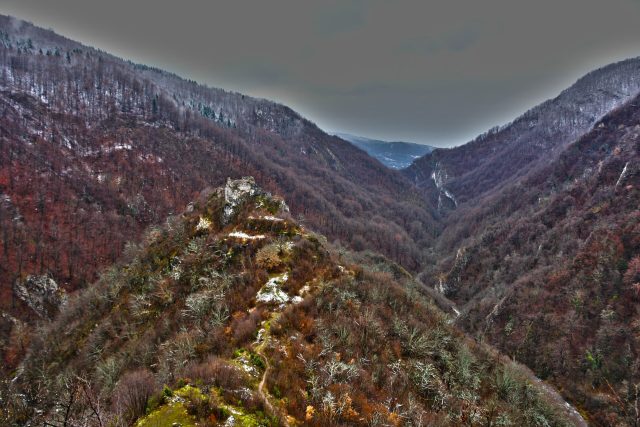
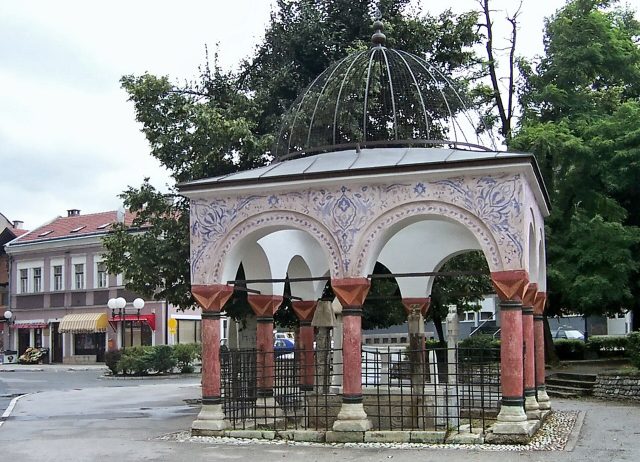
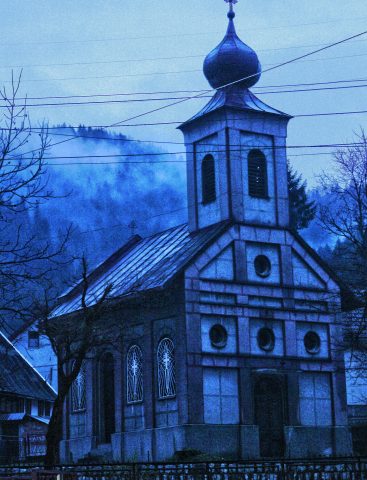
A visit to the museum naturally spills into an exploration of Vareš itself. The town is small enough to explore on foot, its streets winding past Austro-Hungarian-era houses and small cafés where the coffee is strong and the conversation unhurried. Nearby, the Church of St. Michael stands as a 19th-century landmark, while a mosque nearby speaks to the town’s religious diversity. A short walk up one of the surrounding hills offers a view of the landscape that shaped Vareš—rolling green valleys, forested mountains, and the skeletal remains of old mines, silent now but once the lifeblood of the town.
What makes the Vareš Museum special is its lack of pretension. It doesn’t aim for grandeur or spectacle, nor does it try to compete with the more famous museums of the region. Instead, it offers something rarer: an honest, unvarnished look at a place and its people. There are no crowds here, no rush to snap the perfect photo for social media. Just the quiet hum of history, the kind that lingers in the air of a room where generations of lives have unfolded. For those who seek out the road less traveled, who are curious about the industrial heritage of the Balkans or simply enjoy discovering places that feel untouched by mass tourism, the museum is a quiet revelation. And for the people of Vareš, it’s a reminder that their town, though small and often overlooked, has a story worth telling.