Keystone’s historic district sits on the map of South Dakota—a place where the past lingers in the air, in the weathered wood of old buildings, and in the quiet rustle of pine trees along the hills. This small cluster of streets was once the heart of a gold rush boomtown, where fortune-seekers arrived with little more than hope and a pickaxe. The feverish energy of those days has faded, but the town still carries echoes of its past in its narrow lanes and preserved storefronts.
The town began in 1877 after gold was discovered in the Black Hills. Almost overnight, a rough mining camp became a town with hotels, saloons, and a theater. By day, the hills rang with the sound of picks and shovels; by night, the streets filled with music and the occasional gunshot. By the early 1900s, the mines had dried up, and the crowds moved on, leaving behind a quiet settlement.
Walking through Keystone’s historic district feels like stepping into the late 1800s. Many of the buildings still stand as they did then, their wooden facades marked by time. The old hotel, where travelers and miners once stayed, still welcomes visitors. The former saloon now houses a museum filled with artifacts from the town’s gold rush days. Original signs hang above doorways, advertising mining supplies and whiskey.
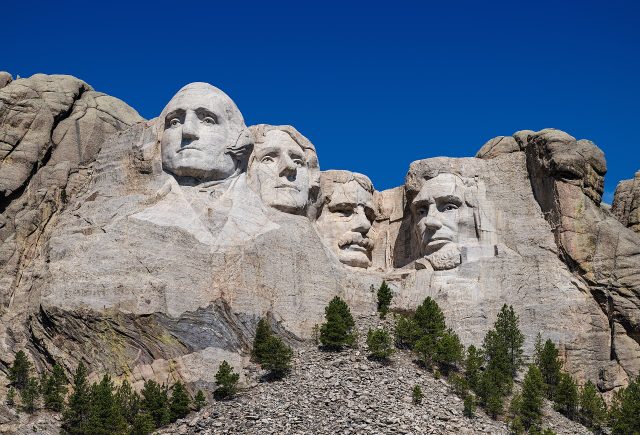
Keystone’s history is tied to Mount Rushmore, just a few miles away. When sculptor Gutzon Borglum began carving the presidential faces into the Black Hills in 1927, Keystone became a hub for the project. Miners skilled in working with stone were hired for the massive undertaking. Some of their descendants still live in the area and have worked on the monument.
Despite its proximity to Mount Rushmore, Keystone has avoided becoming a tourist trap. There are no crowds or overpriced souvenir shops. The town moves at its own pace. In summer, locals sit on porches; in winter, snow blankets the streets.
For anyone curious about the Old West, Keystone offers a glimpse into gold rush life. The local museum holds tools, weapons, and personal items from miners and settlers. Old photographs line the walls. If you’re lucky, a local historian might share stories of luck, loss, and resilience.
Keystone is a living town. Small businesses remain—a stone-carving workshop, a bakery, and a tiny movie theater. In summer, the main street hosts festivals; in winter, holiday celebrations with carolers and mulled wine.
A visit to Keystone is like stepping into a different era. There’s no rush here. You can wander the streets, peer into antique shops, or sit on a bench as sunlight fades over the hills. This isn’t a place for excitement—it’s for those who want to slow down, to notice the quiet creak of a wooden porch or an old mine entrance half-hidden in the trees. It’s a reminder of how quickly fortunes change and how even fleeting moments leave their mark.