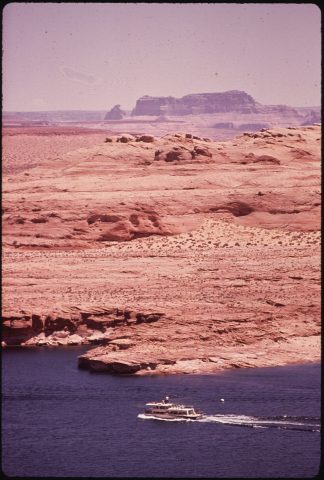
Powell Museum in Page, Arizona, is a quiet place where the story of the American West unfolds in small, thoughtful details. It’s dedicated to John Wesley Powell, the one-armed Civil War veteran and geologist who led the first recorded expedition through the Grand Canyon in 1869. The museum doesn’t try to impress with grandeur—it simply lets the weight of that journey speak for itself. Here, you won’t find crowds or flashy displays, just the kind of understated history that lingers long after you’ve left.
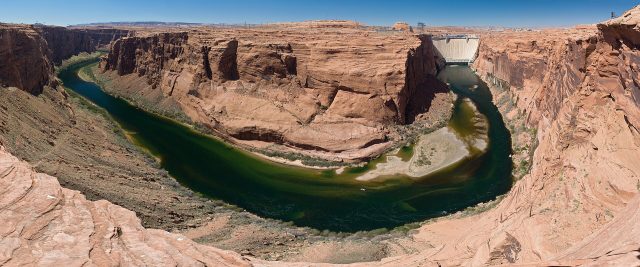
The building itself is modest, fitting for a town that began as a temporary camp for workers constructing the Glen Canyon Dam. Built in the mid-20th century, it reflects the utilitarian style of early Page, a place that was never meant to be permanent but somehow endured. Inside, the exhibits feel like pages from a well-worn journal. Photographs of Powell’s team, hand-drawn maps of uncharted rivers, and personal items like his field notes sit alongside geological specimens and Navajo artifacts. There’s no attempt to dramatize the past—just a straightforward presentation of how one man’s curiosity reshaped our understanding of the West.
Powell’s 1869 expedition down the Colorado River was nothing short of audacious. For four months, he and his crew navigated treacherous rapids in wooden boats, facing starvation, mutiny, and the constant threat of drowning. The museum recreates this journey through replicas of the boats they used—flimsy, flat-bottomed vessels that look almost comical next to today’s sturdy rafts. Yet these were the same boats that carried Powell’s team through the unknown, mapping a canyon that would later become one of the world’s most famous natural wonders. Seeing them up close makes the scale of their achievement feel even more real.
Beyond the expedition, the museum touches on the broader forces that shaped the region. Displays of Navajo weaving tools, photographs of 19th-century trading posts, and geological instruments from Powell’s era show how different cultures and ambitions collided in this landscape. Page sits on the edge of the Navajo Nation, and the museum doesn’t shy away from the complexities of that history—how settlers, scientists, and Indigenous peoples all left their mark on the land. It’s not a polished narrative, but that’s part of its charm. The exhibits feel like fragments of a larger story, one that’s still unfolding.
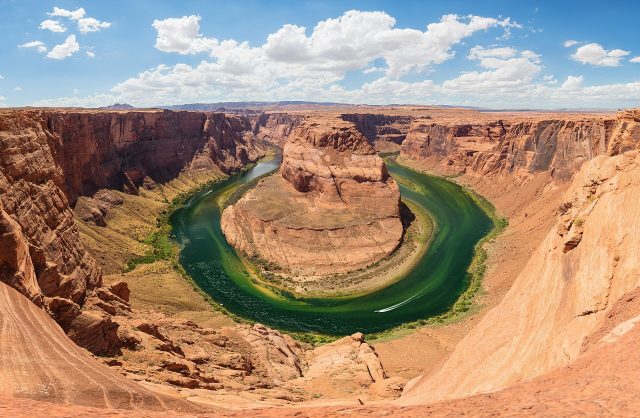
What makes the Powell Museum special is its lack of pretension. There are no towering statues or interactive screens, just a quiet appreciation for the people who explored, studied, and lived in this harsh but beautiful place. The museum doesn’t try to compete with the grandeur of the nearby canyons or Lake Powell—it complements them. After walking through its rooms, you might find yourself looking at the landscape differently, seeing not just rocks and water but the layers of human effort and discovery beneath them.
Page itself is an odd little town, born in 1957 as a temporary settlement for dam workers and now a gateway to some of Arizona’s most stunning scenery. The museum reflects that history—practical, unassuming, and deeply connected to the land. It’s the kind of place where you can spend an hour or two without feeling rushed, where the past doesn’t feel distant but strangely present. The exhibits don’t overwhelm you with information, but they do make you think, especially if you’re planning to visit the canyon or the lake afterward.
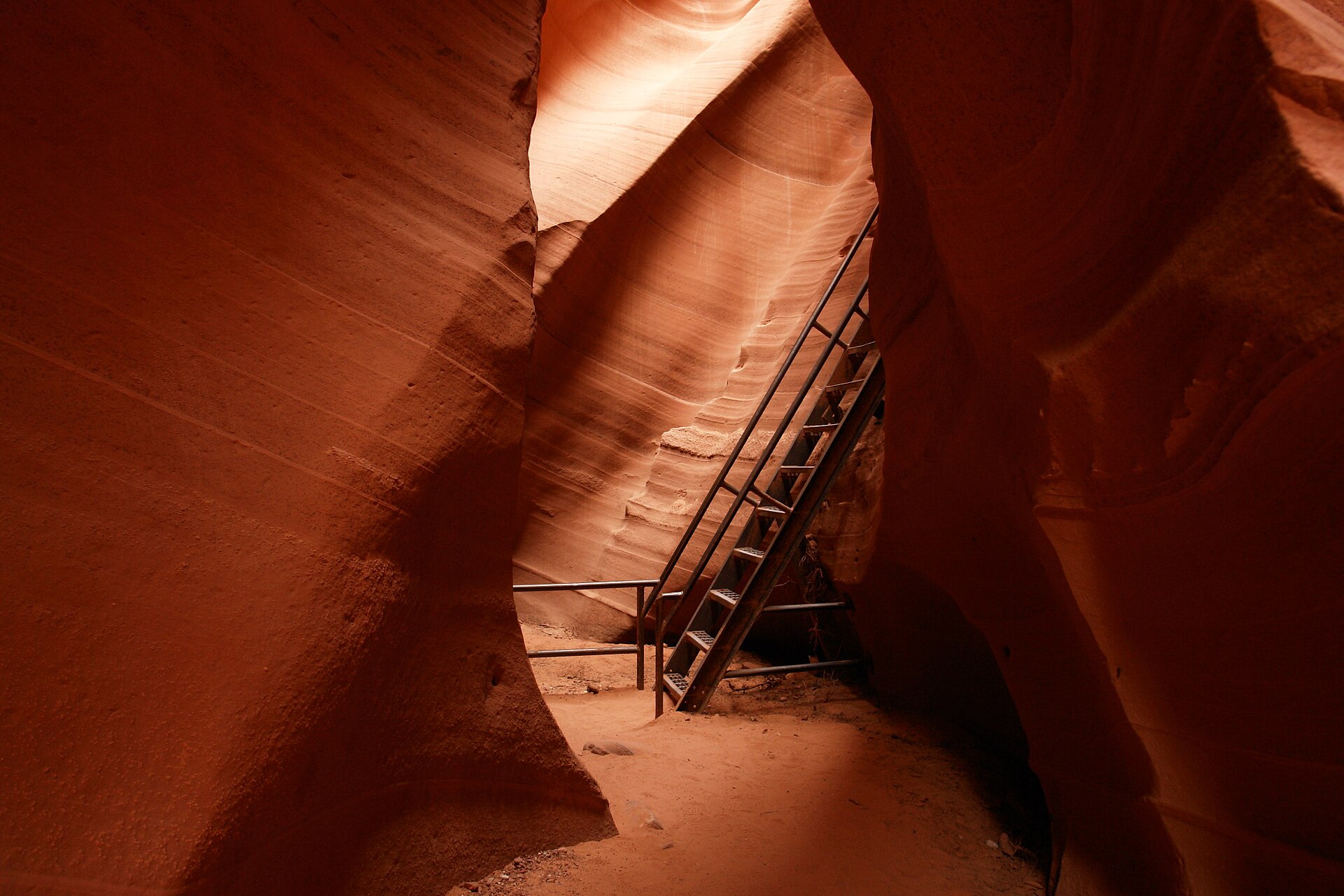
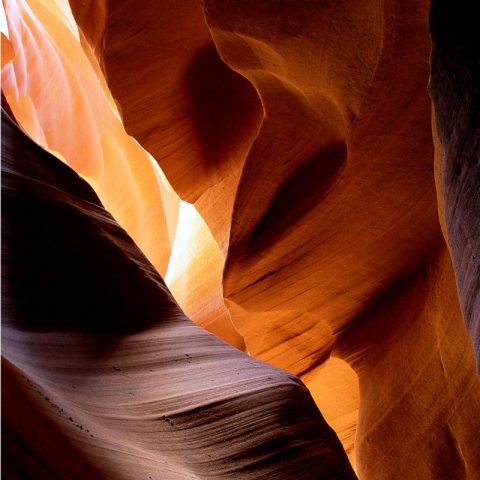
A visit here pairs well with exploring the surrounding area. The museum sits just a short drive from Lake Powell, Antelope Canyon, and the vast desert landscapes that Powell once traversed. It’s a reminder that this region’s story isn’t just about geology—it’s about the people who risked everything to understand it. The Powell Museum doesn’t offer grand conclusions or easy answers, but it does something better: it makes you want to step outside and see the land through Powell’s eyes, as a place of both danger and wonder.