Ustroń’s Zdrojowy Park is one of those rare places where time seems to move differently, where the quiet rhythm of nature and the layers of history blend so seamlessly that you almost forget the world beyond its borders. Tucked in the heart of this small spa town, the park is more than just a patch of greenery—it’s a living monument to the way people once sought healing, not in sterile clinics, but in the slow, deliberate embrace of the outdoors. There are no crowds here, no flashy attractions, just the soft rustle of leaves underfoot and the occasional murmur of visitors who come not to rush, but to pause.
The park’s origins trace back to the early 20th century, when Ustroń was still carving out its reputation as a destination for those seeking rest and recovery. Back then, the idea of wellness was inseparable from nature—fresh air, gentle exercise, and the quiet company of trees were considered essential to healing. The park began as part of this philosophy, its paths and plantings carefully designed to offer both beauty and benefit. Over the decades, it grew, absorbing new areas while retaining the thoughtful layout that guides visitors through its most serene corners. Today, the mix of towering old-growth trees and younger plantings gives the park a sense of timelessness, as if it has always existed just like this, both wild and carefully tended.
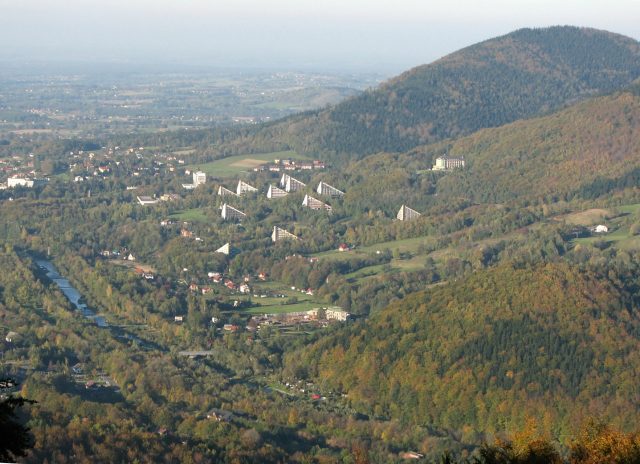
What makes Zdrojowy Park special is how unobtrusively it balances nature and design. There are no grand monuments here, just small, deliberate touches—a stone bridge arching over a narrow stream, a wooden bench tucked beneath a canopy of leaves, a winding staircase leading to a quiet overlook. The network of paths is the park’s real masterpiece, weaving through the landscape in a way that feels organic, yet intentional. Each turn reveals something new: a sweeping view of the surrounding hills, a hidden pond reflecting the sky, or a sudden clearing where the Vistula River glints in the distance. The paths aren’t just for walking; they’re an invitation to look closer, to notice the way light filters through the branches or how the sound of water changes with the seasons.
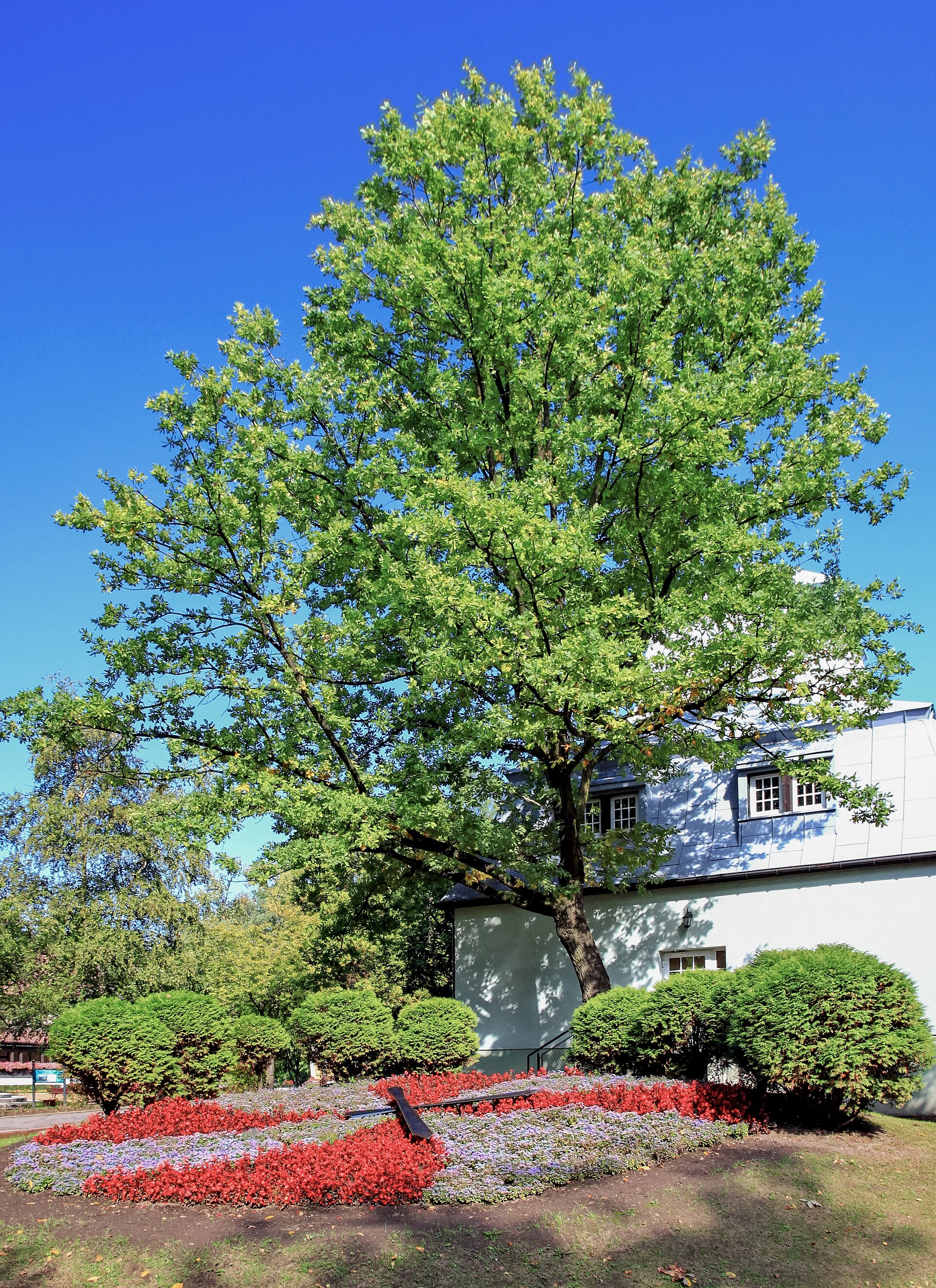
The park is also a kind of open-air museum, preserving the botanical tastes of a bygone era. Many of the plants here were chosen when Ustroń was still finding its identity as a spa town, and some were brought from far away, adding to the park’s unexpected diversity. In spring, rhododendrons and azaleas burst into color, their vibrant blooms drawing visitors who come just to wander among them. Autumn turns the park into a canvas of gold and crimson, while winter softens its edges, draping the trees and paths in snow. Even in the quietest months, there’s a sense of life persisting beneath the surface, waiting for the thaw.
Water plays a quiet but essential role in the park’s character. Small streams meander through the greenery, feeding into ponds that mirror the sky, while the gentle sound of flowing water adds to the sense of calm. In one corner, a modest waterfall cascades over rocks, its presence small but striking—a reminder of how even the simplest natural features can shape a place’s atmosphere. On warm days, the water offers a cool respite, its surface shimmering in the sunlight, while in winter, it freezes into delicate patterns, adding another layer of quiet beauty.
Zdrojowy Park feels like a place caught between past and present. The old stone benches, the weathered paths, the trees that have stood for generations—all of them carry echoes of the people who once came here to recover, to breathe, to simply be. Yet the park doesn’t feel like a relic. It changes with the seasons, adapting without losing its essence, and each new visitor finds something of their own in its quiet corners. There are no rigid rules here, no prescribed way to experience it. You can walk its paths in silence, sit by the water with a book, or lie on the grass and watch the clouds drift overhead. The park doesn’t demand anything; it simply offers.
For locals, the park is woven into the fabric of daily life. It’s where parents bring their children to play, where runners come for their morning laps, where couples stroll in the evening, and where anyone can find a moment of peace amid the rush of the day. For visitors, it’s a different side of Ustroń—not the polished spa town with its treatments and hotels, but a place where the town’s soul is laid bare. The park has a way of slowing you down, of making you notice the small things: the way the light slants through the trees, the scent of damp earth after rain, the distant call of a bird. It’s the kind of place that lingers in your memory long after you’ve left.
In recent years, the park has also become a stage for quiet cultural moments. During the summer, open-air concerts bring classical music to the trees, the notes drifting through the air like an extension of the natural sounds around them. Local artists display their work along the paths, and small festivals celebrate everything from folk traditions to contemporary creativity. These events don’t disrupt the park’s tranquility; they enhance it, adding another layer to its identity. The music, the art, the gatherings—all of them feel at home here, as if they’ve always been part of the park’s rhythm.
Zdrojowy Park isn’t the kind of place that announces itself with fanfare. There are no grand entrances, no signs pointing to its "must-see" features. Instead, it reveals itself slowly, rewarding those who take the time to wander its paths and sit still for a while. It’s a place where the past and present coexist without fuss, where nature and human touch have found a rare harmony. If you come to Ustroń, don’t just pass through—set aside an hour, or an afternoon, to let the park work its quiet magic. Walk its trails, listen to the water, breathe in the air. It’s the kind of place that doesn’t just offer a break from the world, but a reminder of what it means to truly rest.