The Museum of Mining and Metallurgy in Ustroń offers more than just a glimpse into Silesia’s industrial past—it invites visitors to step into the lives of the people who shaped it. This region has long been tied to the earth’s hidden riches, where iron ore was first extracted in medieval times and later transformed in the blast furnaces that dotted the landscape. The museum doesn’t just recount this history; it lets you feel the weight of it, tracing how mining and metalwork evolved and left their mark on the land and its people.
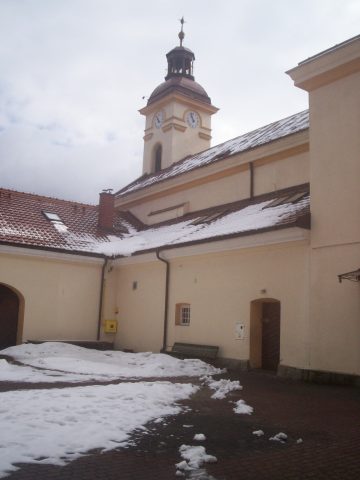
Housed in a former mechanical workshop from the late 19th century, the museum itself is a piece of history. The building’s thick brick walls and towering ceilings, supported by exposed beams, still carry the echoes of its industrial past. Inside, the exhibits go beyond tools and machinery, including personal items, photographs, and documents that paint a vivid picture of daily life for workers. The space feels lived-in, as if the people who once labored here might return at any moment.
One of the museum’s most striking features is its reconstructed underground mine. Unlike a simple display, this is a full-scale simulation of 19th-century mining conditions. Visitors can descend into narrow tunnels, where the dim glow of oil lamps and the damp air create an immersive experience. Along the walls, tools and carts lie scattered, and the marks of pickaxes remain visible, as if the miners had just stepped away. It’s a stark reminder of how physically demanding—and dangerous—this work once was.
A separate section focuses on metallurgy, illustrating the journey from raw ore to finished iron. Exhibits trace the evolution of smelting techniques, from primitive bloomery furnaces to more advanced industrial methods. The collection of metalwork is particularly compelling, showcasing everything from everyday nails and horseshoes to intricate machinery parts. These objects reveal not just technical progress but also the skill and craftsmanship of the workers who produced them.
While the museum honors the past, it also connects to the present. Displays on modern mining and metallurgy in Poland highlight how the industry has adapted, facing new challenges in technology, environmental responsibility, and worker safety. This perspective underscores that the story of Silesia’s industry is ongoing, not confined to history books.
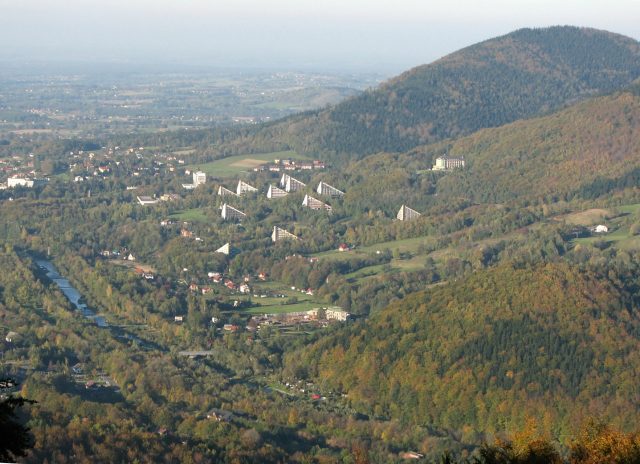
The region around Ustroń has always been a place where human industry and nature intersect. The museum reflects this relationship, exploring how people have shaped the land—and how the land has shaped them. Geological exhibits feature local rock samples and minerals, offering insight into the earth’s composition and the forces that created the ore deposits beneath the surface. For those curious about the science behind it all, it’s a chance to understand the hidden world beneath our feet.
Visiting the museum is a quiet experience, far removed from the hustle of larger tourist sites. The atmosphere is contemplative, with the occasional creak of wooden floors or hum of ventilation in the background. The exhibits aren’t arranged for spectacle; they’re meant to tell a story—one of ordinary people whose labor built the foundations of the region. There’s no grand narrative here, just a deep respect for the work that sustained communities for generations.
This isn’t a place you rush through. Whether you’re a history enthusiast, someone with ties to the industry, or simply curious about how the region developed, the museum offers plenty to absorb. For locals, it’s also a way to preserve the legacy of their ancestors, a reminder of the labor that defined Ustroń for centuries. The tone is understated, but the impact lingers—an acknowledgment of the hands that shaped the land and the lives that depended on it.