Ustroń
Poland · 5 places
Photo: Mariuszjbie, CC BY-SA 3.0
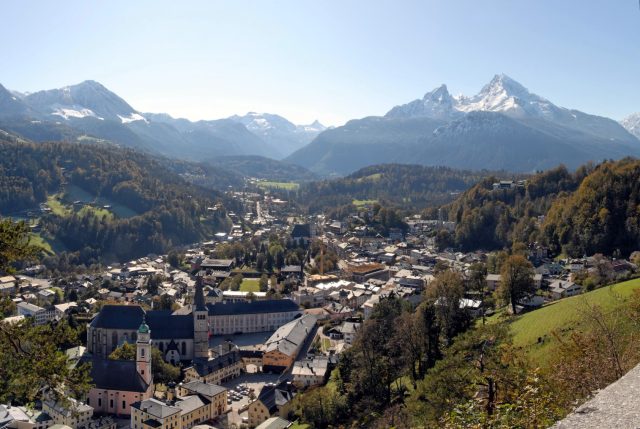
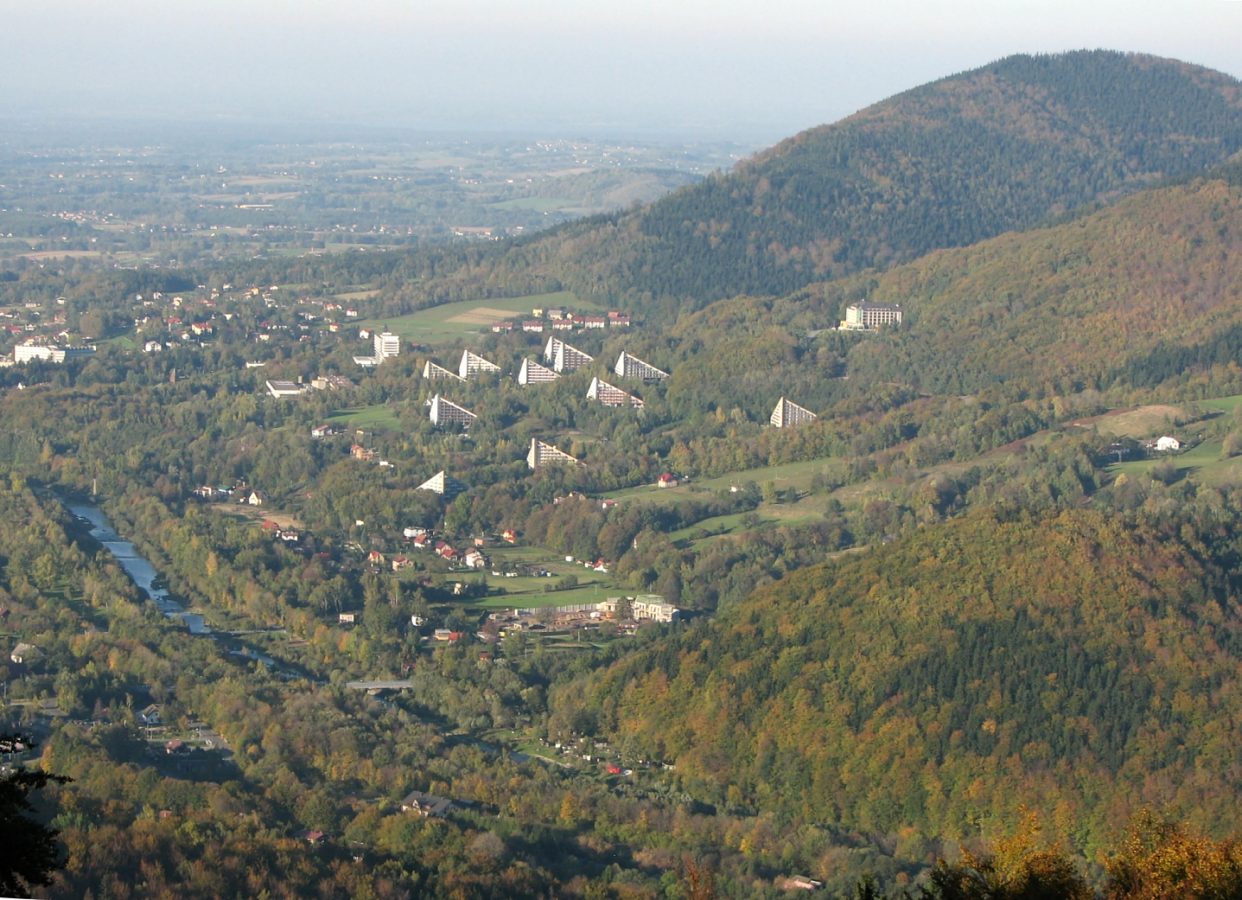
Nestled in the heart of the Silesian Beskids, Ustroń feels like a place where time has settled into a gentler rhythm. The town unfolds along the slopes of rolling hills, where wooden villas from the early 20th century stand half-hidden among dense greenery, their balconies draped in ivy. There’s no rush here, no grand declarations of being the next big tourist hotspot—just quiet streets winding between pastel-colored houses, the scent of pine drifting from the surrounding forests, and the distant murmur of mountain streams. It’s the kind of place where you might find yourself slowing down without even noticing, as if the very air encourages you to breathe deeper and linger a little longer.
Ustroń’s story began humbly, as a small settlement known for its healing mineral springs. By the 19th century, word had spread about the restorative powers of its waters, drawing visitors seeking both wellness and escape. Today, the town still carries that legacy, though it’s far from the polished, high-traffic resorts that dominate other regions. Instead, wellness here feels personal—spas and sanatoriums tucked into the hillsides offer everything from traditional mineral baths to modern relaxation therapies, all without the sense of being processed through a system. The locals, too, seem to take pride in the town’s understated charm, sharing stories of old mills, forgotten legends, and the occasional tale of a mountain spirit said to wander the woods.
What truly sets Ustroń apart is its landscape. The Silesian Beskids rise around the town in gentle, undulating ridges, their slopes softer than the dramatic peaks of the Tatras but no less captivating. In summer, the hills are a sea of green, crisscrossed by trails that lead to hidden clearings, alpine meadows, and viewpoints where the valley stretches out below like a living postcard. Winter transforms the scene into a playground for skiers and snowboarders, though even those who prefer a slower pace will find plenty to admire—the way the morning light spills over the ridges, or how the mist clings to the valleys at dawn, dissolving as the sun climbs higher. For walkers, the options are endless: short loops through fragrant forests, day hikes to mountain lakes, or longer treks to secluded chapels where the only sounds are the wind and the occasional church bell.
There’s a quiet confidence to Ustroń, a sense that it doesn’t need to shout to be heard. The town balances tradition and modernity effortlessly. On weekends, folk music drifts from open-air stages, played on instruments that have been part of the region’s culture for generations. Restaurants serve hearty Silesian dishes—thick soups, smoked meats, and potato pancakes drowned in rich gravy—while cafés and wine bars offer a more contemporary take, with locally roasted coffee and wines made from grapes grown in the nearby foothills. Yet Ustroń doesn’t try to be everything to everyone. It’s content to be itself, whether that means hosting a small gallery of local artists or simply letting visitors wander its streets without a set agenda.
Life here moves at its own pace. Mornings begin with the sound of birds outside the window and the smell of fresh bread from the bakery on the square. Days unfold without urgency—hiking a trail, stopping to watch the light shift across the hills, or sitting by the river with a book and a cup of tea. Evenings are quiet, with the town settling in early, though that doesn’t mean there’s nothing to do. A pub might be filled with the clatter of board games, or a group of friends could be gathered around a fire pit, sharing stories. Ustroń doesn’t promise luxury or nonstop entertainment. Instead, it offers something rarer: the chance to step away from the noise, to let the hours stretch out unhurriedly, and to remember what it’s like to simply be.
See & Do
All of them
Stay
All of them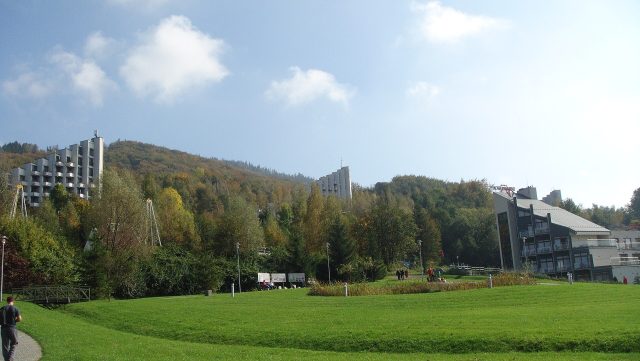
Places on the map
Marker colour follows the categoryClimate and weather
Detailed weather: Ustroń- Average temperature
- 10 °C
- Precipitation per year
- 732 mm
- Sunshine hours per day
- 5.1 h
Average air temperature
°C
0
2
5
10
14
19
20
20
15
11
5
2
Jan
Feb
Mar
Apr
May
Jun
Jul
Aug
Sep
Oct
Nov
Dec