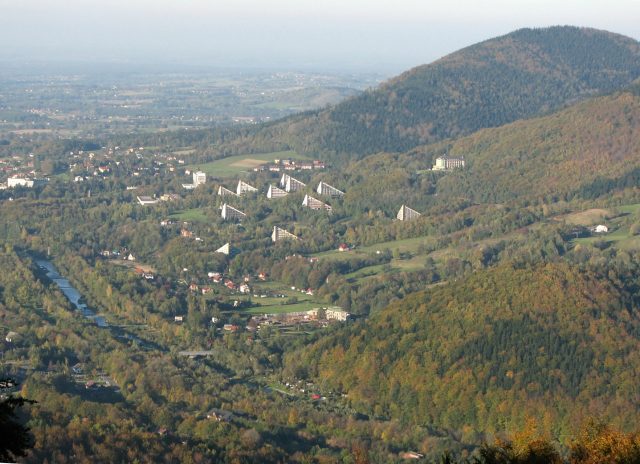
Nestled in the foothills of the Beskid Mountains, Ustroń is a town where the rhythm of life slows to match the gentle slopes of the surrounding landscape. Here, wooden cottages with sloping roofs stand alongside modern wellness retreats, and the crisp mountain air carries the scent of pine and damp earth. It’s a place where the past lingers in quiet corners, and one of its most enduring landmarks is the Church of Saint Clement, a building that has watched over the town for over two centuries.
The church was built in the early 1800s, a time when Ustroń was just beginning to shed its identity as a modest farming settlement and embrace its future as a health resort. The discovery of mineral springs had already drawn visitors seeking relief from ailments, but for the locals—farmers, craftsmen, and their families—the nearest place of worship was a long walk away. The construction of the church became a communal effort, a shared project that brought people together in a way few things could at the time. Its completion marked not just the arrival of a new building, but the strengthening of a community.
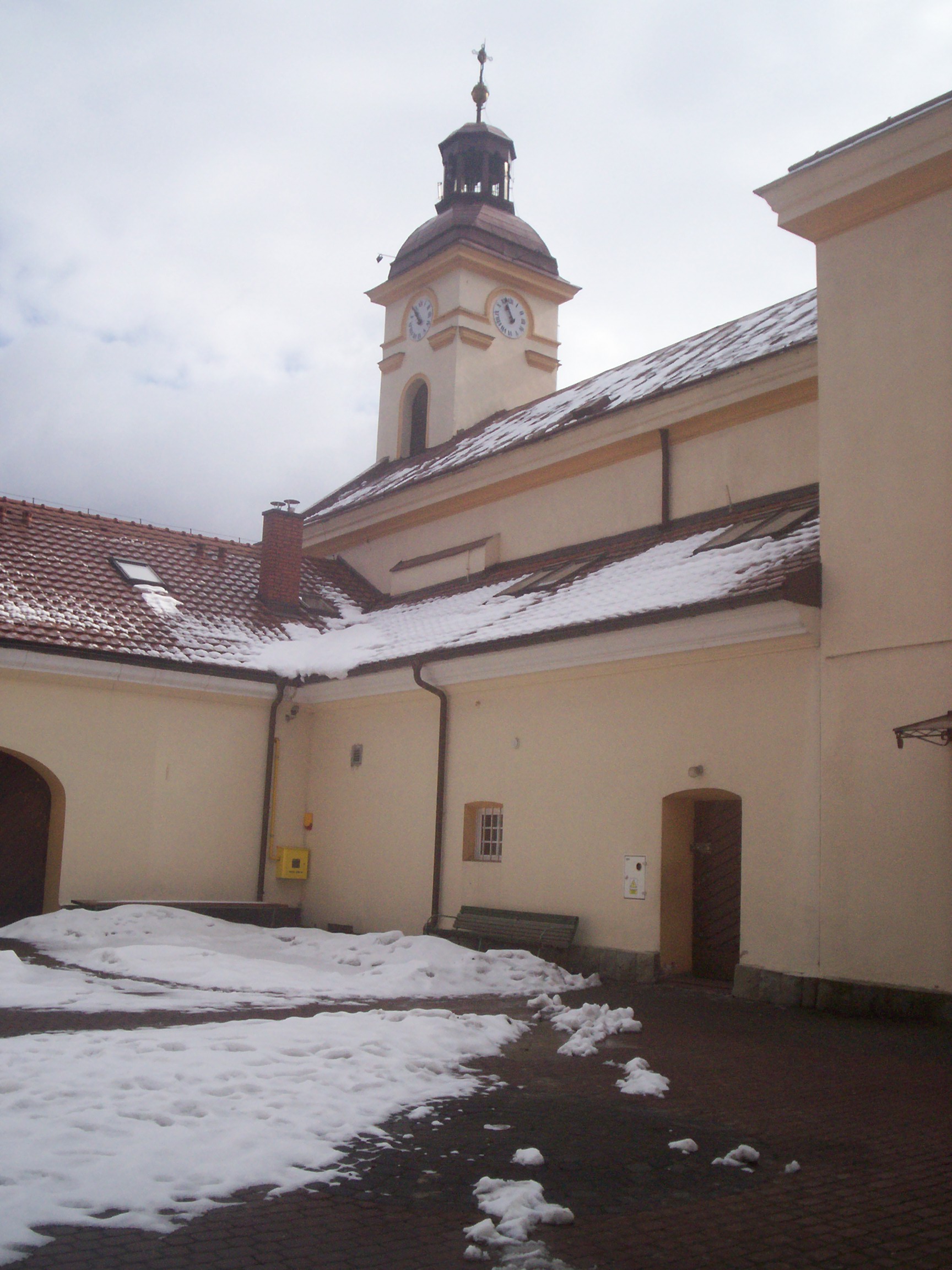
From the outside, the Church of Saint Clement is unassuming, its whitewashed walls and simple lines blending into the landscape rather than dominating it. The architecture reflects the transitional style of the era, where the ornate flourishes of late Baroque met the cleaner, more restrained forms of Neoclassicism. Tall, arched windows let in soft light, and a small bell tower rises above the entrance, its modest height in keeping with the church’s understated presence. Inside, the space feels intimate, almost like stepping into a well-loved home. The wooden pews, worn smooth by generations of hands, face a carved altar that is both elegant and unpretentious. The walls bear faded frescoes, their details softened by time, adding to the sense of quiet reverence.
The altar itself is a focal point, crafted by local artisans in a style that speaks to the region’s traditions. At its center is an image of Saint Clement, the church’s patron, a figure whose legacy stretches back to the earliest days of Christianity. According to local lore, Clement was one of the first popes, and his veneration here is a testament to the deep-rooted Catholic faith of the area. Around the altar, small relics and icons tell their own stories—some brought by families over the years, others passed down through generations of parishioners. Each piece carries a weight of history, a connection to those who have knelt here in prayer.
For the people of Ustroń, the church has always been more than just a place of worship. It has been a witness to the milestones of their lives—baptisms, weddings, funerals—and a refuge in times of hardship. During the wars that swept through the region, the church stood as a symbol of resilience, its doors open to those in need of shelter or solace. Even now, as Ustroń has grown into a destination for visitors seeking relaxation and rejuvenation, the church remains a constant, a reminder of the town’s roots. Tourists often wander in, drawn by curiosity or a desire to escape the bustle of the resort areas, and find themselves lingering in the quiet, as if the stillness of the place has a way of slowing the outside world.
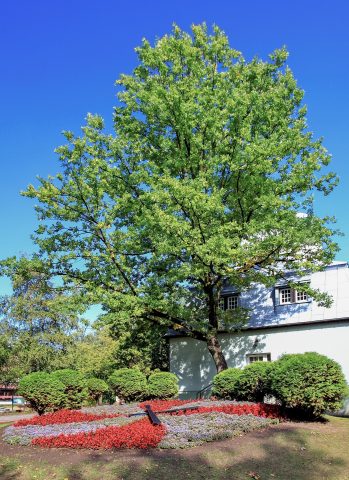
Beyond the church, a small park unfolds, its paths winding beneath the shade of old trees. In summer, the air is filled with the hum of bees and the rustle of leaves, while flowerbeds add splashes of color to the green. Locals come here to sit on the benches, to chat with neighbors or simply to enjoy a moment of peace. For visitors, it’s a place to pause, to take in the surroundings and perhaps reflect on the layers of history that have shaped Ustroń. The church and its park feel like the heart of the town, a space where the past and present coexist without fanfare.
What makes the Church of Saint Clement special is not just its age or its architecture, but the way it has become woven into the fabric of everyday life. It has survived wars, economic shifts, and the ebb and flow of tourism, yet it remains a place where people—whether lifelong residents or passing travelers—can find a sense of continuity. The church doesn’t demand attention; it simply offers a space for quiet reflection, a connection to something larger than the moment. In that way, it embodies the spirit of Ustroń itself: unassuming, enduring, and deeply rooted in the land it calls home.