Keila-Joa Park is one of those rare places in Estonia where nature and history blend so seamlessly that time seems to move at its own unhurried pace. Tucked away near the small town of Keila, the park unfolds along the banks of the Keila River, known for its picturesque waterfalls. But the real magic lies not just in the water—it’s in how human hands have shaped this landscape without disturbing its quiet harmony.
At the heart of the park stands the Keila-Joa Manor, built in the early 19th century. Its story is tied to Count Alexander von Benckendorff, a close associate of Tsar Nicholas I, who transformed the estate into a romantic vision inspired by English landscape gardens. The manor’s architecture is a striking mix of Neo-Gothic and Classical styles, with its tall, arched windows and sturdy towers evoking the grandeur of medieval castles. The main house, in particular, feels like something out of a storybook, its design both imposing and elegant.
The park surrounding the manor is a world unto itself, carefully crafted yet appearing effortlessly natural. Winding paths lead down to the river, small bridges cross babbling streams, and hidden grottos add a touch of mystery. A quiet lake reflects the sky, and in autumn, the trees blaze with gold and crimson, while spring brings the sweet scent of blooming rhododendrons. Summer offers cool shade beneath ancient oaks and lindens, and winter turns the park into a silent, snow-dusted wonderland.
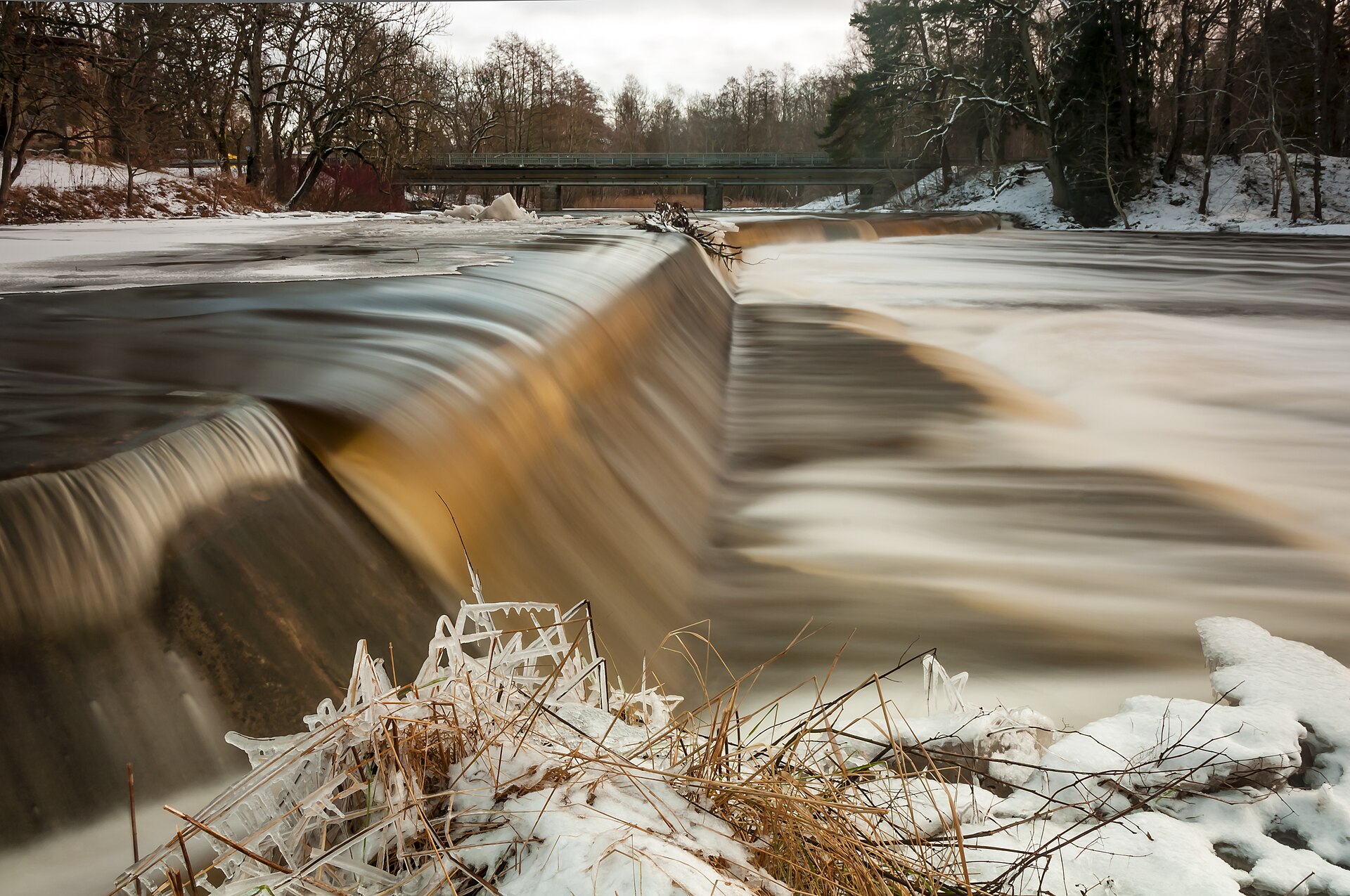
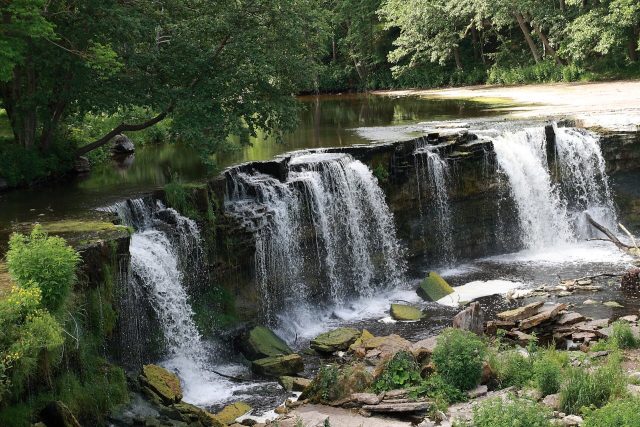
The Keila River, flowing through the estate, gives the place its rhythm. The Keila-Joa waterfall, though not as tall as Narva’s, is no less captivating, especially in spring when the water rushes with renewed force. The sound of the falls, the mist in the air, and the occasional rainbow in the sunlight create a sense of quiet excitement. Nearby, the ruins of an old mill hint at the area’s past, when the river powered the daily life of the estate.
Keila-Joa Manor and its park are deeply woven into Estonia’s history. Over the years, it has welcomed everyone from Russian tsars to Estonian writers and artists. During the Soviet era, the estate fell into disrepair, but in recent decades, restoration efforts have slowly brought it back to life. Today, the manor hosts tours, exhibitions, and small concerts, offering visitors a chance to connect with the past without feeling like they’re in a museum.
A walk through Keila-Joa Park is more than just sightseeing—it’s a way to step into another time. You can almost imagine the grand balls held in the manor, the noble guests strolling along the paths, or the local farmers working the nearby fields. Yet the park doesn’t feel frozen in the past. It’s still a living space where Estonians come to picnic, take photos by the waterfall, or simply enjoy the quiet.
What makes Keila-Joa special is its distance from the usual tourist trails. Unlike Tallinn or the islands, it’s a place where you can wander without crowds, taking in every detail at your own pace. Locals often visit on weekends, seeking a break from city life, and that gives the park an unpretentious, lived-in feel. It doesn’t try to impress—it simply exists, as much a part of the landscape as the river or the trees.
If you find yourself in this part of Estonia, don’t rush past. Keila-Joa is the kind of place where hours can slip by unnoticed. Bring a book, a thermos of tea, or just follow the river’s edge, listening to the water and the rustle of leaves. It’s a place that feels right in any season, as long as you’re open to discovering something real.