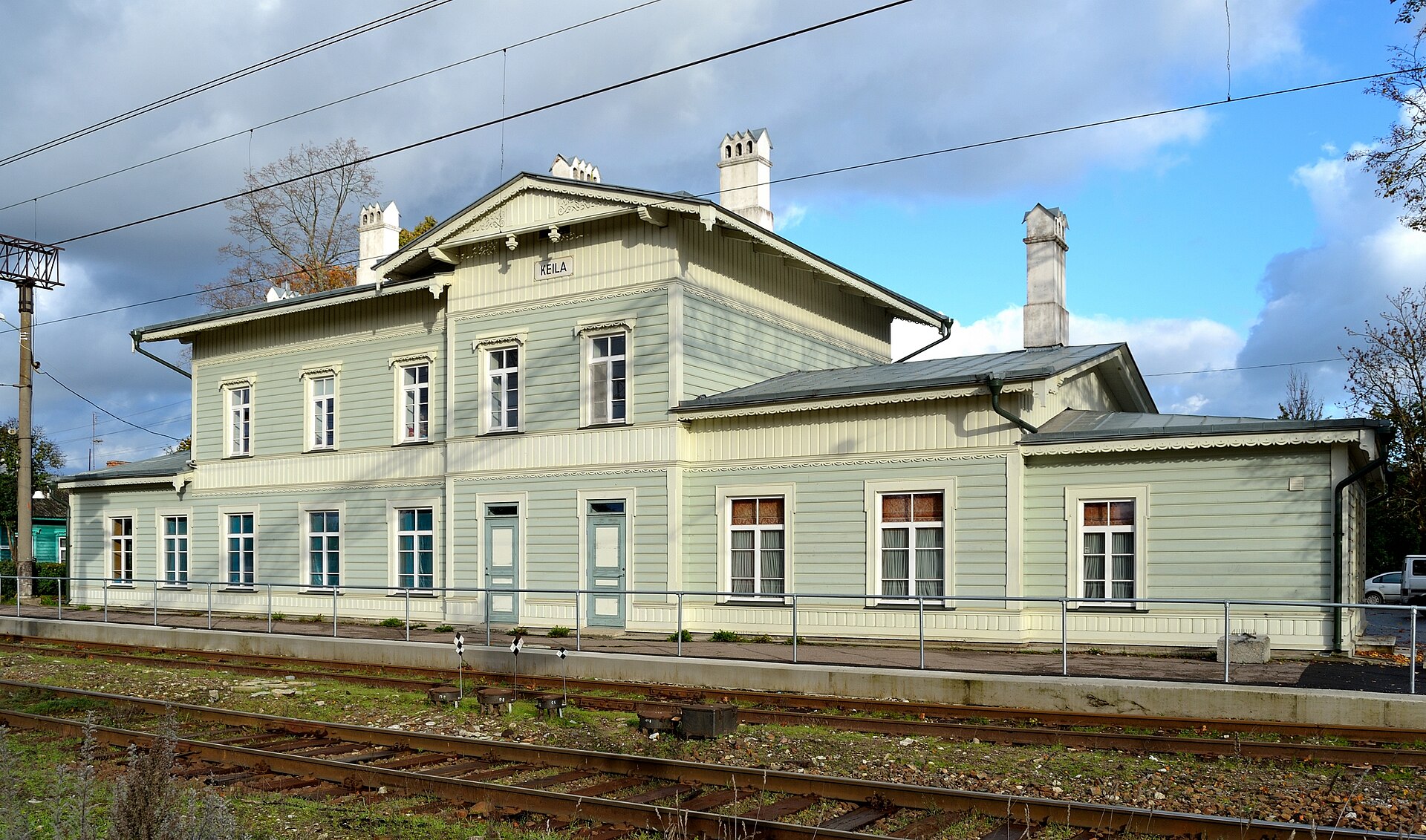
Keila railway station is one of those places that might seem unremarkable at first glance, but once you look closer, it reveals something quietly compelling. It sits along the Tallinn-Paldiski line, a vital link between Estonia’s capital and the smaller towns and villages stretching toward the country’s western coast. There’s nothing grand about its appearance—no soaring arches or ornate facades—but in its understated way, it feels distinctly Estonian: practical, unpretentious, and quietly dignified.
Built in the mid-20th century, the station emerged during a period when Estonia’s railway network was expanding rapidly. Keila itself was an important transport hub, a stop for both freight and passengers traveling from Tallinn to the Baltic Sea ports. The architecture reflects the era’s utilitarian approach—clean lines, minimal decoration, yet a layout designed with passengers in mind. Over the years, the station has seen subtle updates—modern signage, renovated platforms—but its essential character remains unchanged.
Today, Keila station is more than just a transit point; it’s woven into the daily rhythm of the town. Commuters heading to work in Tallinn, students returning from university, and travelers making their way toward the coast or national parks all pass through here. The station runs with the precision of a well-oiled machine: trains arrive and depart on time, the platforms are kept tidy, and the small waiting area offers shelter from the rain or a quick coffee from a vending machine.
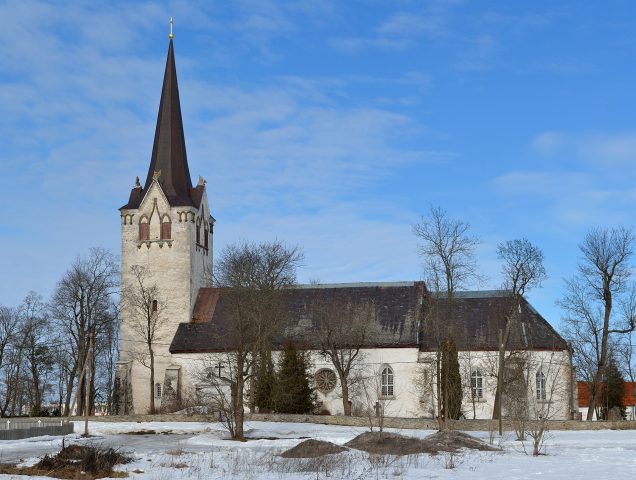
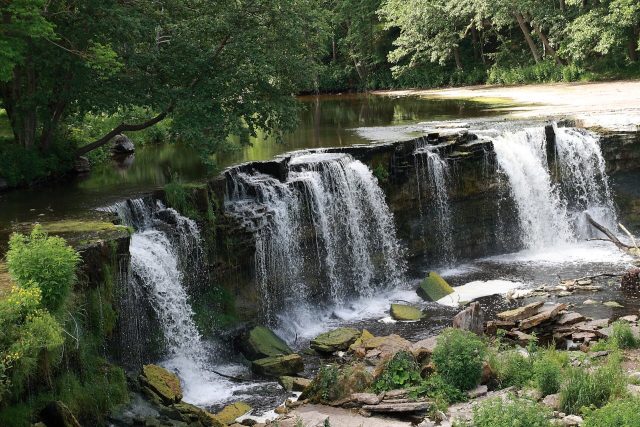
Keila is a small town with a strong sense of place, nestled among forests and the river that winds through the area. The station sits at its heart, making it easy to reach the town’s main attractions—the old church, the local park, or the small museum. But for many, the station itself is a destination of sorts. The nearby square, with its benches and greenery, is a popular spot for locals to sit, watch the world go by, or simply enjoy a moment of quiet.
The station’s history mirrors Estonia’s own journey. In the early 20th century, when the country was part of the Russian Empire, a much simpler station stood here. After gaining independence, Estonia invested in modernizing its railways, and Keila became a key stop on the route west. The station suffered damage during World War II but was rebuilt and continued to serve passengers through the decades. Today, it stands as a quiet witness to the country’s transformations—from Soviet rule to its place in modern Europe.
There’s a sense of continuity here, too. Some of the station’s original features—old lampposts, faded signs, even the layout of the waiting area—hint at its past. Yet it doesn’t feel like a relic. The station has adapted, blending the old with the new in a way that feels natural. It’s not a place frozen in time, but one that has grown alongside the town it serves.
For travelers, Keila station is a gateway to western Estonia. From here, it’s easy to reach Lahemaa National Park, with its historic manor houses and rugged coastline, or the coastal town of Paldiski, where the sea has shaped the local identity. Trains run frequently, and the ride to Tallinn takes just over half an hour, making it simple to combine a visit to the capital with a trip to the quieter corners of the country.
What makes Keila station special isn’t its size or grandeur, but its authenticity. It’s a place where history and everyday life intersect. People come and go, their stories briefly overlapping in this small but significant spot. The station doesn’t demand attention—it simply exists, steady and unassuming, as it has for decades. And in that quiet persistence, there’s something deeply reassuring.