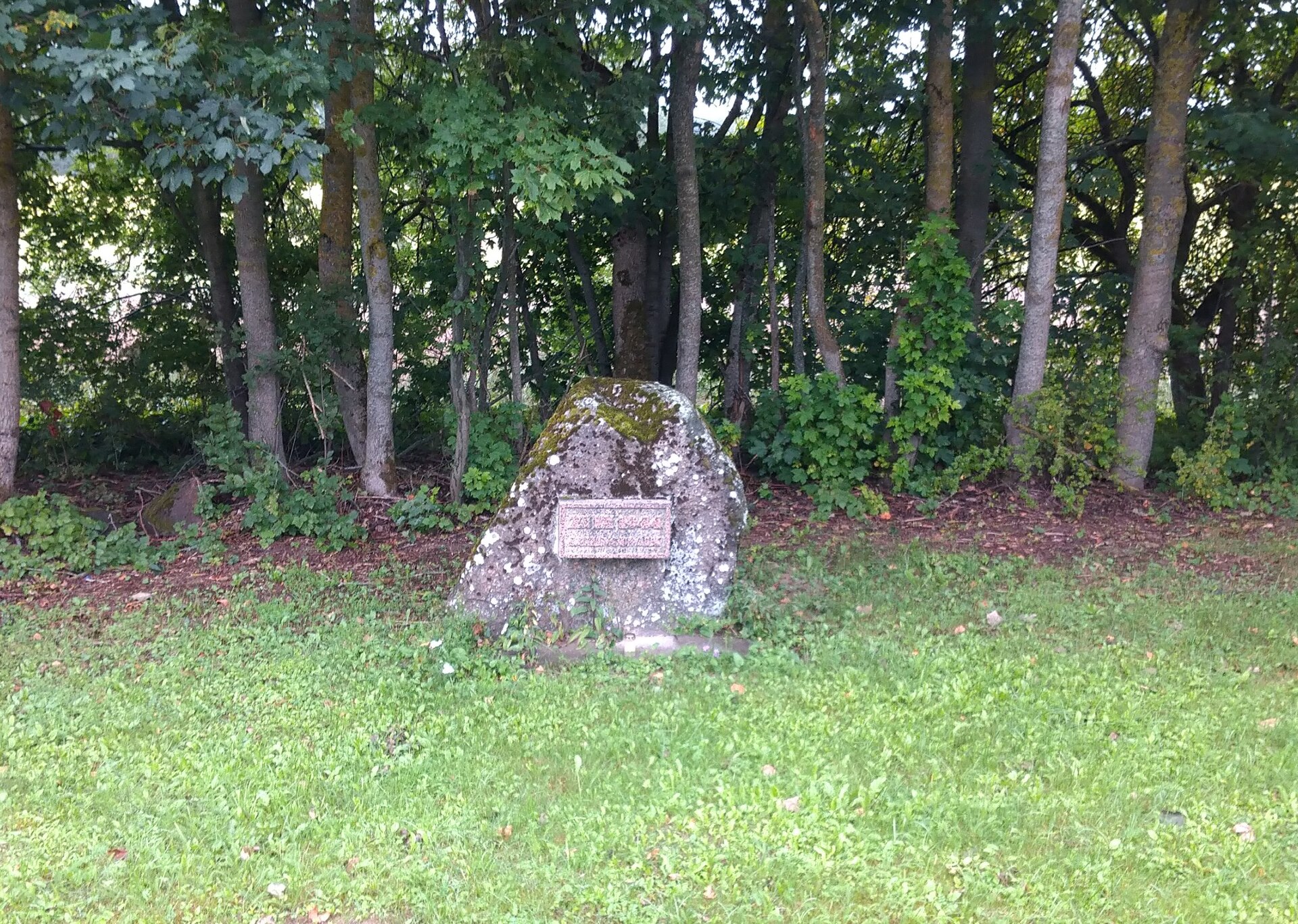
The Luther Monument in Keila is one of those quiet landmarks that doesn’t immediately demand attention but reveals its significance upon closer inspection. Standing in a small square in front of the town’s Lutheran church, it serves as a subtle reminder of an era when religious ideas reshaped Europe, and even small Estonian towns became part of much larger historical currents. Keila may not be a capital, but it has long been a spiritual hub in the region, and this monument is more than just a tribute to the Reformation’s founder—it’s evidence of how deeply Protestantism took root here over the centuries.
Martin Luther is depicted in the traditional pose of such monuments: holding a book, dressed in the robes of an Augustinian monk. The sculpture is restrained, almost ascetic, reflecting the Reformation’s call for simplicity and a return to the fundamentals of faith. What makes this monument particularly interesting is its timing. It wasn’t erected during Luther’s lifetime but much later, in the early 20th century, when Estonia was experiencing a period of national awakening. The country was searching for symbols to define its identity, and Luther—a figure whose ideas had profoundly influenced local culture—fit perfectly into that narrative.
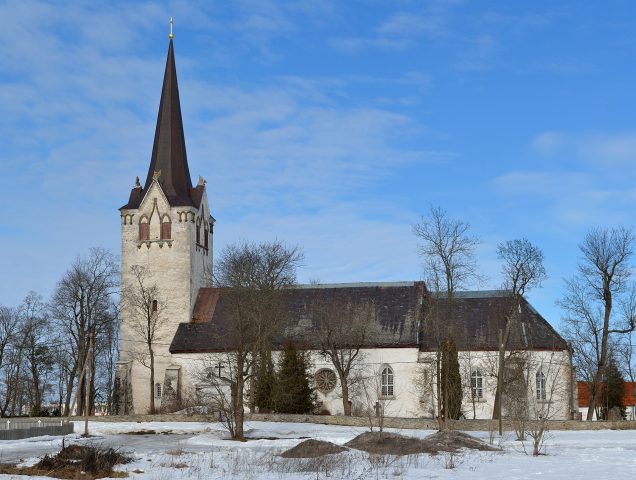
At the time, Keila was a small but lively town with a predominantly German-speaking population. Lutheranism had been practiced here for centuries, and the church in front of which the monument stands is one of the oldest in Estonia, its history stretching back to the 13th century. The monument blends seamlessly into this setting, complementing the architectural mix of medieval and later buildings in the square. The stone pedestal is simple and unadorned, much like the Reformation’s ideals—dignified but without excess.
The monument hasn’t always stood in Keila. Originally, it was placed in Tallinn in 1862 to mark the 300th anniversary of Luther’s birth. But as Estonia gained independence and later endured Soviet occupation, many monuments were relocated or lost. The Luther statue was moved to Keila in 1949, likely to protect it from potential destruction. In a way, this displacement became part of its story, turning it into a piece of the town’s history, even if it wasn’t originally meant to be there.
Today, the Luther Monument isn’t a major tourist attraction, and that might be for the best. There are no crowds here, just the quiet hum of the town—occasional church bells, the distant sound of cars. It’s a place for reflection, where you can take your time to study the sculpture’s details and soak in the atmosphere of an old Estonian town. The monument doesn’t shout its significance; it waits patiently for those who are willing to listen.
Luther himself never set foot in Estonia, but his ideas arrived with German merchants, knights, and clergy. The Reformation didn’t just change religious life—it transformed everyday existence. Lutheran parishes introduced record-keeping, schools taught in local languages, and church services became more accessible to ordinary people. Keila, like many Estonian towns, went through these changes, and the monument stands as a marker of how distant ideas can reshape entire communities.
The small park around the monument is unassuming—flowers in summer, a dusting of snow on the pedestal in winter. Locals seem to have grown accustomed to its presence, though school groups occasionally visit, and the odd traveler passing through from Tallinn might stop to take a closer look. For them, it’s a chance to connect with a history that isn’t always obvious but is no less meaningful for that.
The Luther Monument in Keila is more than just a stone figure in a square. It’s a living piece of history, one that endures even when people forget its origins. It reminds us that ideas born in one place can travel across centuries and borders, leaving their mark in the most unexpected corners of the world. Sometimes, all it takes is a moment of stillness to notice them.