Market Square in Gweedore is one of those rare places where time seems to slow just enough to let you catch your breath. It isn’t the kind of square you’d find in a bustling city, with grand monuments or crowds rushing past. Instead, it’s the quiet heart of a small Irish town, where the past isn’t just remembered—it’s still alive in the worn cobblestones, the weathered facades of old buildings, and the easy rhythm of daily life. There’s no pretence here, no need to perform for visitors. The square simply exists, as it has for generations, a place where history and the present coexist without fuss.
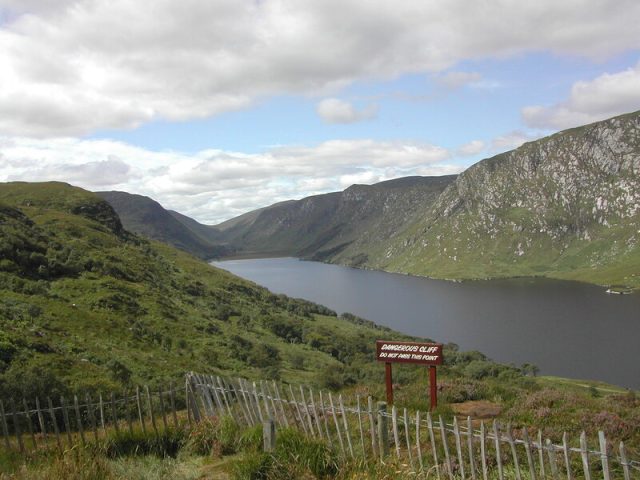
Gweedore itself is a town that doesn’t try too hard to impress. Nestled in County Donegal on Ireland’s wild Atlantic coast, it’s the kind of place that reveals itself slowly. There are no towering landmarks or tourist traps, just a landscape of low stone walls, windswept hills, and a coastline that shifts with the tides. The town has always been more about the people than the place—fishermen, farmers, and families who’ve lived here for centuries, shaping the land and being shaped by it in return. Market Square is where all these threads come together, the natural gathering point for locals and the occasional traveller who stumbles upon it.
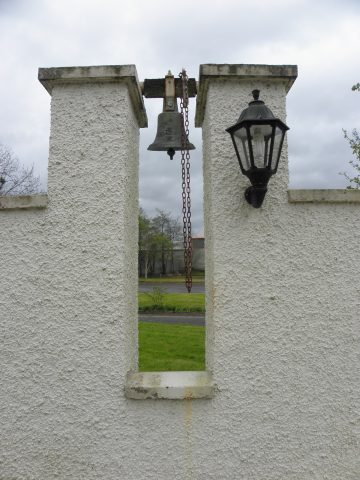
The architecture around the square tells a story of Gweedore’s past, particularly its 18th and 19th-century heyday when trade and fishing brought modest prosperity to the area. The buildings are unassuming but sturdy, built to withstand the Atlantic winds and the passage of time. Most are made of local stone, left bare in places where the plaster has worn away, with small windows and thick walls that hint at a time when warmth was more important than grandeur. Some facades still bear the marks of their original purpose—carved stone lintels above doorways, or the faint outlines of old shop signs now faded by the sun. The old town hall stands out, not because it’s particularly grand, but because it’s one of the few buildings that still serves its original role, even if in a quieter way than before.
The name Market Square isn’t just a label—it’s a nod to the square’s original purpose. For centuries, this was where the town’s economic life played out, especially on Thursdays and Sundays when farmers from the surrounding countryside would arrive with their goods. The market wasn’t just about trade; it was a social event, a chance for people to catch up on news, barter for what they needed, and maybe even arrange a marriage or two. These days, the market is smaller, more of a weekly ritual than a bustling hub, but you can still find stalls selling fresh eggs, locally caught seafood, and the kind of bread that’s best eaten warm. On Saturdays, the scent of baking and the murmur of conversation fill the air, a reminder of how little some things have changed.
The square’s cobblestones are one of its most enduring features. Laid down in the 19th century, they’ve been smoothed by generations of footsteps, cart wheels, and the occasional horse’s hooves. In the centre stands an old stone cross, once a practical landmark for traders and travellers, now a quiet symbol of the town’s continuity. It’s not the kind of monument that draws crowds, but locals know its significance. In the summer, when the square hosts small concerts or festivals, the cross becomes a focal point, a place to gather and listen to music under the open sky.
Life here moves at its own pace. Mornings start slowly, with elderly residents walking their dogs or stopping to chat with neighbours. By midday, the square fills with the occasional tourist, snapping photos or lingering over coffee at one of the small cafés. Evenings belong to the younger crowd, who gather to talk, laugh, and watch the day fade into dusk. Nearby pubs spill music onto the streets—traditional reels, the occasional ballad—while the smell of peat smoke and stout lingers in the air. It’s not a scene of wild revelry, just the quiet hum of a community that knows how to enjoy the moment.
Market Square isn’t just a backdrop for daily life; it’s also a stage for the town’s traditions. On St. Patrick’s Day, the square is decked out in green, with parades and music that draw people from all over the region. During harvest festivals, locals bring in produce from their gardens, and the air is thick with the smell of apples and fresh herbs. These events aren’t put on for tourists—they’re a natural extension of the town’s identity, a way of honouring the past while keeping it relevant. For visitors, they offer a glimpse of an Ireland that’s often overlooked, where community and culture are still deeply intertwined.
What makes Market Square special isn’t any single feature, but the way it all comes together—the way the buildings lean into each other, the way the light catches the cobblestones in the late afternoon, the way the same families have run the same shops for decades. There’s no grand architecture here, no world-famous landmarks, just the quiet persistence of a place that has outlasted empires and trends. If you find yourself in Gweedore, take a moment to sit on one of the benches, order a cup of tea, and watch the square go about its day. You might not leave with a list of must-see sights, but you’ll carry something far more valuable: the feeling of having touched a place where time moves differently, and where the past isn’t just remembered—it’s still alive.