The War of Independence Monument in Keila is one of those quiet places that carry the weight of history without demanding attention. Tucked away on a gentle rise near the center of town, it stands as a marker of Estonia’s turbulent past—a past that shaped the country’s identity in ways that still resonate today. Erected in 1925, just a few years after the conflict that secured Estonia’s independence, the monument was part of a wave of memorials built across the nation to honor those who fought and died in the struggle against Soviet forces and German volunteer units. For a young country still finding its footing, these monuments were more than stone and metal; they were symbols of survival and remembrance.
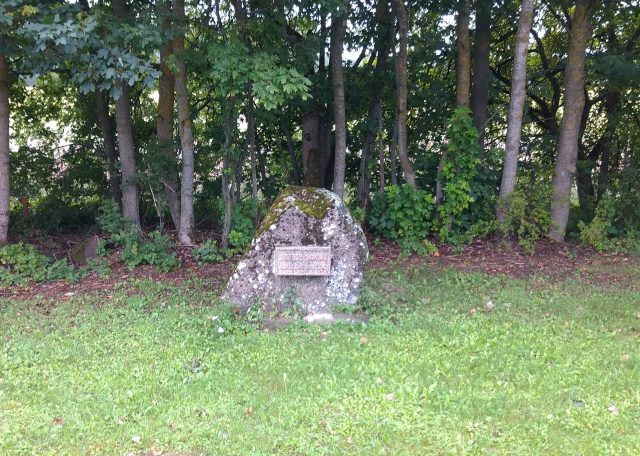
The design of the monument is unassuming yet deliberate. A tall granite column rises from a simple base, crowned with a bronze wreath—a universal emblem of memory. The names of the fallen from Keila and its surroundings are etched into the stone, a permanent record of lives lost in battles that, at the time, must have felt like the fate of the nation hung in the balance. In the 1920s and 30s, these memorials were gathering places, especially on anniversaries of key battles or the signing of the Tartu Peace Treaty, which formally ended the war. Veterans would come to pay their respects, and townspeople would join them, turning the monuments into living connections to a shared history.
Keila itself was little more than a small town during the war, but even here, the conflict left its mark. In early 1919, the area saw fierce fighting as Estonian forces clashed with the Red Army. The town changed hands multiple times, and its streets bore witness to the chaos of war—retreating soldiers, makeshift hospitals, the constant tension of an uncertain front. The monument, in a way, became a focal point for those who wanted to preserve the memory of those days, a tangible link to a time when the future of Estonia was anything but certain.
Over the decades, a small park grew around the monument, softening its presence in the town’s daily life. In summer, the spot is quiet, the only sounds the occasional murmur of passersby or the distant hum of traffic from the nearby road. Winter transforms it further, the snow settling on the granite like a silent shroud, making the place feel suspended in time. For locals, the monument is just another part of the landscape, something they pass without much thought. But for visitors, particularly those with an interest in Baltic history, it offers a moment of reflection—a chance to read the names, to consider the stories behind them, and to acknowledge the weight of the past.
Like many Estonian monuments from that era, this one faced an uncertain fate during the Soviet occupation. The authorities of the time had little interest in preserving memorials to a war in which Estonia had fought against Soviet Russia, and many were destroyed or relocated. This monument survived, though its significance was deliberately diminished. It wasn’t until Estonia regained its independence in 1991 that the monument began to reclaim its place in the national narrative. Today, it stands not just as a reminder of the past, but as a symbol of resilience—a testament to the idea that memory, even when suppressed, cannot be erased entirely.
For Keila, the monument is more than just a historical marker; it’s a piece of the town’s identity. There are no grand ceremonies here, no crowds of tourists like in Tallinn or Tartu. But every February, on the anniversary of the Tartu Peace Treaty, someone—perhaps a local resident, perhaps a descendant of a veteran—will leave flowers at the base. Occasionally, school groups visit, their teachers pointing out the names and explaining the events that shaped the country. It’s a quiet kind of remembrance, the kind that doesn’t need fanfare to be meaningful.
Standing in front of the monument, it’s hard to imagine the sound of gunfire or the sight of soldiers marching through these streets. Keila today is a peaceful town, its neat houses and green spaces giving no hint of the violence that once unfolded here. But the monument serves as a reminder that history is never as distant as it seems. Even in small towns, the echoes of the past linger, shaping the present in ways that are often invisible but never insignificant.
If you find yourself in Keila, it’s worth taking a detour to this unassuming spot. It won’t impress you with grand architecture or dramatic views, but that’s part of its power. The monument doesn’t tell a loud story; it doesn’t need to. Instead, it invites you to pause, to consider the fragility of peace, and to reflect on the people who fought to preserve it. In a world where history is often reduced to headlines and soundbites, places like this offer something far more valuable—a chance to connect with the quiet, enduring truths that shape who we are.