Perched on a hillside where the Ionian Sea meets the rugged coastline of southern Albania, Palermo feels like a place suspended outside of time. Its whitewashed houses, their red-tiled roofs glowing in the sunlight, spill down the slope in a cascade of quiet charm, more reminiscent of a Greek island village than the typical Albanian settlement. There are no crowded promenades here, no high-rise hotels or neon-lit bars—just narrow lanes winding between stone walls, flights of steps worn smooth by generations of footsteps, and the constant murmur of waves breaking against the shore. The air carries the scent of salt and pine, and the only sounds that interrupt the stillness are the cries of gulls and the occasional clatter of a wooden shutter swinging in the breeze.
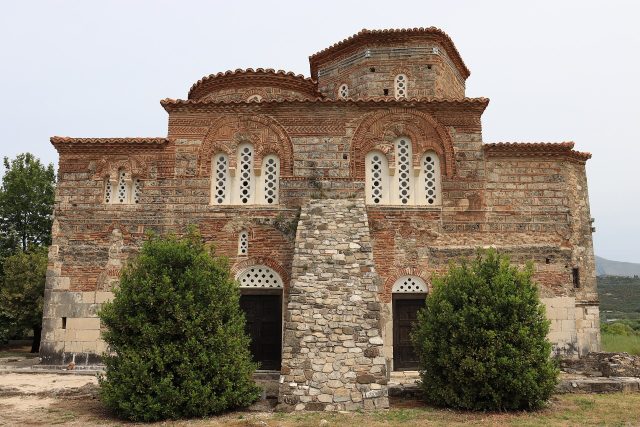
The history of Palermo is inseparable from that of the Himarë region, a land that has long been a crossroads of civilizations. Ancient Illyrians first settled these hills, followed by Greek colonists who left their mark in the names and traditions that endure to this day. Later, the Byzantines ruled here, their influence lingering in the crumbling churches and fortified structures that dot the landscape. By the Middle Ages, the Venetians had claimed Himarë, including Palermo, and their architectural legacy can still be seen in the sturdy stone houses and arched doorways that line the village’s alleys. Centuries of Ottoman rule also left their imprint, visible in the wooden balconies and latticed windows that add a touch of the East to the otherwise Mediterranean aesthetic.
What makes Palermo special isn’t any single monument or museum, but the way the past seems to breathe through every corner of the village. There are no grand attractions here, just the quiet accumulation of history in the peeling plaster of old churches, the abandoned homes with their shuttered windows, and the tiny shops where locals sell honey and olive oil pressed from the groves that cover the surrounding hills. The best time to wander these streets is at dawn or dusk, when the light softens the white walls into gold and the shadows stretch long and lazy across the cobblestones. It’s easy to imagine the generations who have walked these same paths, their lives shaped by the rhythm of the sea and the seasons.
The landscape around Palermo is as much a part of its character as the village itself. To one side, the land rises into rolling hills covered in olive trees and umbrella pines, their branches swaying in the sea breeze. To the other, the Ionian stretches out in shades of blue and turquoise, its waters so clear that the seabed is visible even at a depth. The beaches here are quiet, far removed from the crowded resorts of nearby towns. Most are rocky, with only a few small patches of sand where visitors can spread out a towel and listen to the waves. The sea is warm and inviting, perfect for swimming or simply floating in the gentle current, the sun warming your skin as you drift.
Life in Palermo moves at its own unhurried pace. The villagers—many of them Greek-Albanians—still live by the old ways, tending olive groves, fishing in the early morning light, and making wine from the grapes that thrive on the sun-drenched slopes. There are a handful of tavernas where you can taste the flavors of the region: grilled fish fresh from the sea, salads drizzled with local olive oil, crusty bread still warm from the oven. Seafood is a specialty here, with dishes like grilled octopus, mussels in garlic and white wine, and squid stuffed with herbs and rice. The wine, light and slightly floral, is made from grapes grown just a few kilometers away, and it pairs perfectly with the simple, hearty meals.
This isn’t a place for those seeking nightlife or entertainment. There are no clubs, no shopping malls, no tourist traps. Instead, Palermo offers something far rarer: a chance to step away from the noise of modern life and into a world where time seems to slow down. You could spend a day hiking the trails that wind through the hills, where the views of the sea and mountains are breathtaking, or simply sitting on the shore with a book, the sound of the waves lulling you into a state of quiet contentment. In the evenings, when the heat of the day fades, the villagers gather in the small square to chat, play backgammon, or sip strong Turkish coffee under the stars.
Though Palermo is slowly gaining recognition among travelers looking for authentic corners of Albania, it remains largely untouched by mass tourism. The village has retained its original character, a place where life unfolds much as it has for centuries. There are no souvenir shops selling trinkets or restaurants catering to foreign tastes—just a handful of simple guesthouses and family-run tavernas where the food is made with ingredients grown or caught nearby. This is Albania as it has always been, not the version polished for tourists, but the real, lived-in place where history and daily life intertwine.
If you do decide to visit, be prepared for the realities of a remote village. There are no ATMs, no supermarkets, and few modern conveniences, so it’s best to bring everything you might need. The roads leading to Palermo are narrow and winding, and public transport is unreliable, so driving is the most practical way to get here. But these minor inconveniences fade into the background once you arrive. What remains is the sense of stepping into a world that has changed little over the decades, where the past isn’t just remembered—it’s still alive.
Palermo stays with you long after you leave. Maybe it’s the way the light plays on the white walls at sunset, or the sound of the sea echoing through the empty streets at dawn. Maybe it’s the quiet conversations with locals who have spent their whole lives here, or the feeling of time slowing down to match the rhythm of the waves. This isn’t a place that dazzles with grand monuments or luxury resorts. Instead, it offers something far more precious: a glimpse into a way of life that has endured for generations, untouched by the rush of the modern world. Here, history isn’t something you read about in a guidebook—it’s something you feel in the warmth of the sun, the taste of the wine, and the salt on your skin.